This reference compiles the key Hindu festivals and fasting observances (vrat) for March 2026, drawn from major Hindu calendars and the Panchang used across India, and aligned to Indian Standard Time (IST). It aims to support families, communities, and practitioners in planning rituals with clarity, while honoring the shared dharmic values—discipline, compassion, and community harmony—cherished across Hinduism, Buddhism, Jainism, and Sikhism.
March 1, 2026 — Pradosh: Observed during twilight on Trayodashi, Pradosh is traditionally devoted to Shiva worship. Many households undertake a light fast and offer prayers at dusk, viewing the period as conducive to inner balance, quiet reflection, and seva. The observance nurtures calm focus and shared well-being within families and neighborhood mandirs.
March 2, 2026 — Holika Dahan, Holashtak ends, Purnima Vrat: Holika Dahan marks the symbolic triumph of truth and resilience, observed through community bonfires on the evening before Holi. It coincides with the conclusion of Holashtak, a phase many consider inauspicious for new beginnings, thereby renewing the social calendar. Purnima Vrat on the full moon day is observed for purity of mind and intention, and for many, it becomes a day of prayer, charity, and reconciliation—values that resonate across the wider dharmic ethos.
March 2, 2026 — Masi Magam: Celebrated in Tamil Nadu and among Tamil communities, Masi Magam features sacred processions and tirtha snanam (ritual bathing) at rivers, ponds, and the sea. The day emphasizes gratitude to the divine, respect for water bodies, and community service—practices that reinforce environmental reverence and cultural continuity.
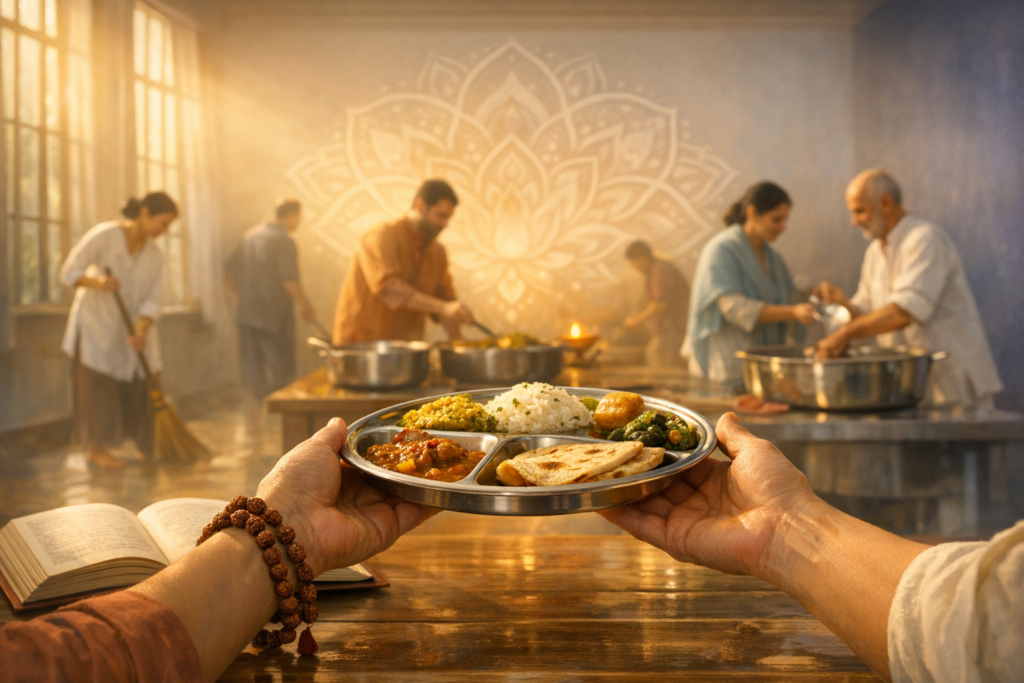
March 3, 2026 — Attukal Pongala: One of Kerala’s most renowned community offerings, Attukal Pongala brings together millions of women who prepare sacred offerings to the Goddess in a spirit of devotion and solidarity. The shared ritual cooking, humility, and cooperation exemplify living traditions of dignity, mutual care, and spiritual sisterhood—principles that inspire unity within and beyond Hindu communities.
March 3, 2026 — Chaitanya Mahaprabhu Jayanti: Commemorating the birth of Sri Chaitanya, this observance highlights the bhakti ideals of kirtan, compassion, and inclusivity. Communities gather for devotional singing and scriptural reflection, affirming the transformative power of love-centered practice and the broader dharmic commitment to harmony and respectful dialogue.
Note on calendars and practice: Dates above follow IST and are based on widely consulted Hindu calendars and Panchang. Local temple traditions, lunar calculations, or regional customs may yield minor variations, so confirming timings with nearby mandirs or community calendars is recommended. Approached in this way, March 2026 becomes an opportunity for thoughtful observance and inter-community goodwill, strengthening shared dharmic values of unity, service, and spiritual growth.
Inspired by this post on Hindu Blog.