Kuja Pradosham is a sacred Tuesday observance within the broader Pradosh Vrat tradition dedicated to Lord Shiva and Goddess Parvati. In Hindu traditions, Pradosham refers to the twilight period—approximately one and a half hours before and after sunset—when devotion is believed to be especially efficacious. This vrata is regarded as a refined expression of devotion and discipline within the Hindu way of life, emphasizing auspiciousness and inner transformation.
Pradosham occurs on Trayodashi, the thirteenth lunar day of both the waxing (Shukla) and waning (Krishna) fortnights. When this Trayodashi falls on a Tuesday (Mangalvāra), the observance is known as Kuja Pradosham, aligning the vrata with the Mars principle (Kuja/Bhauma) in Jyotiṣa. The convergence of Pradosha Kāla with the Tuesday energy is traditionally regarded as an especially potent time for prayer, worship, and austerity directed to Shiva and Pārvatī.
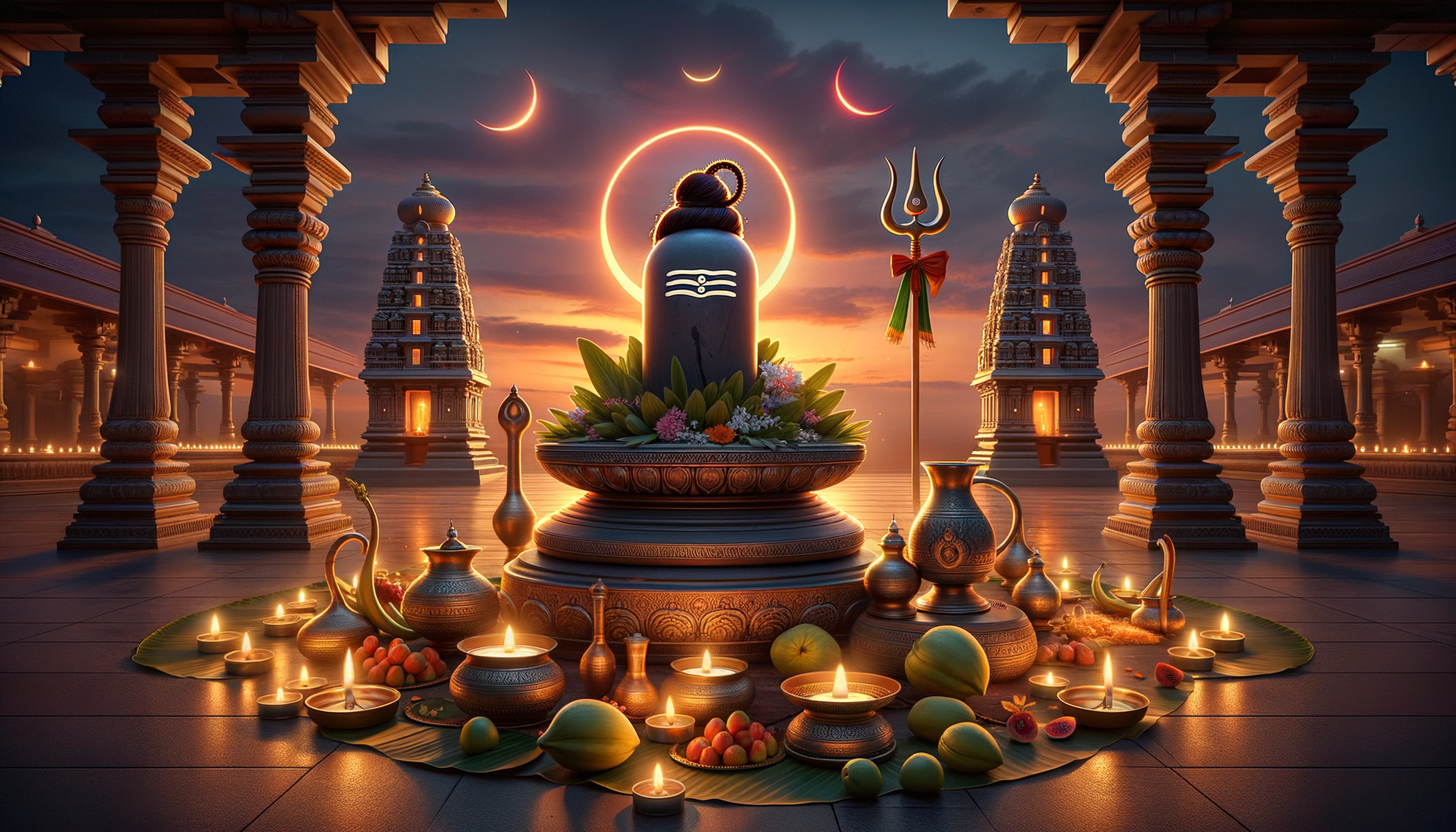
Classical narratives associate Pradosham with heightened receptivity of divine grace at twilight, a liminal time celebrated in temples where Shiva is revered as Nataraja, the Lord of Dance. Households and communities often experience a palpable sense of calm and renewed devotion during this period, reinforcing the cultural continuity of Hindu festivals and Hindu rituals.
Observance commonly includes fasting (ranging from nirjala to phalāhāra or a simple sāttvika diet), visiting a Shiva temple during Pradosha Kāla, and performing abhiṣeka with water, milk, and other traditional offerings. Devotees offer bilva leaves, light a dīpa, and engage in mantra-japa such as “Om Namah Shivaya” or the Maha Mrityunjaya Mantra, integrating spiritual practices that cultivate focus, humility, and devotion.
For those unable to visit a temple, a home pūjā aligned to local sunset times is appropriate. A simple saṅkalpa (intention) to observe the vrata with purity, kindness, and self-restraint is considered meaningful. Quiet meditation, breath awareness, and reflective reading of sacred texts can enrich the observance, situating Kuja Pradosham within a holistic Hindu way of life.
Tradition holds that Kuja Pradosham helps mitigate challenges associated with Kuja (Mars) in Jyotiṣa, including tendencies toward conflict, anger, haste, or disputes. It is also observed for relief from debts, land or property issues, legal entanglements, and for strengthening courage and disciplined action. Many families observe it for harmony in relationships and to address concerns popularly associated with Mangal Doṣa, while recognizing that the vrata’s deeper benefit lies in steadying the mind and refining conduct.
Beyond specific remedies, the vrata cultivates devotion, clarity, and emotional balance. Fasting undertaken with understanding—not as deprivation but as conscious restraint—supports mental focus and spiritual insight. Practitioners frequently report a sense of inner composure and upliftment after evening worship, reflecting the auspiciousness attributed to this twilight observance.
As a practice centered on ethical living, mindfulness, and compassion, Kuja Pradosham resonates with shared dharmic values across Hinduism, Buddhism, Jainism, and Sikhism. The emphasis on self-discipline, seva (service), and reverence for the sacred fosters unity in spiritual diversity, affirming a broad cultural ethos that honors multiple paths while nurturing a common commitment to inner growth and social harmony.
Culturally, Pradosham underscores the continuity of living traditions—from classical temple worship to contemporary household observances across regions and the global diaspora. It exemplifies how Hindu festivals evolve while maintaining fidelity to core principles of devotion, restraint, and community well-being.
Approached with humility, patience, and learning, Kuja Pradosham offers a balanced framework for personal transformation. By aligning daily life to sacred time, the observance invites renewed devotion to Lord Shiva and Goddess Parvati, supports ethical refinement, and strengthens the practitioner’s resolve to live with compassion and purpose.