Kartik Purnima, also known as Tripuri Poornima or Tripurari Purnima, is observed as the sacred Full Moon of the Kartik month. In 2025, Kartik Purnima falls on November 5. Widely regarded as one of the most auspicious nights of the year, it brings together devotion, charity, and illumination across regions and traditions.
As per North Indian Purnimanta calendars, Kartik Purnima marks the conclusion of the Kartik month. In Amanta systems followed elsewhere, it is observed as the 15th day of Kartik maas. Regional calendars, including Bengali and Tamil traditions (Karthika Masam), align their observances with this Full Moon, while local panchangs determine exact tithi timings for ritual practice.
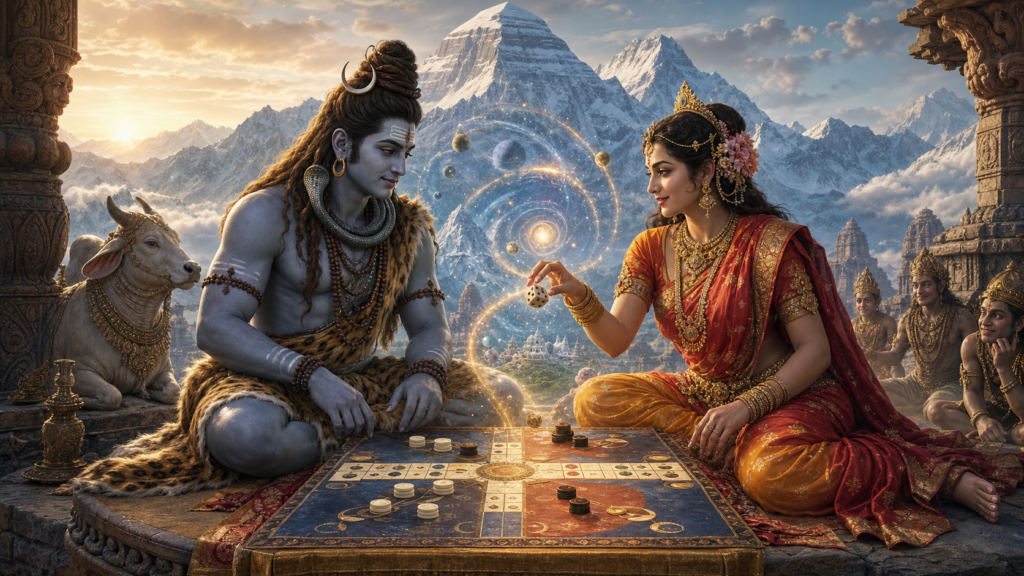
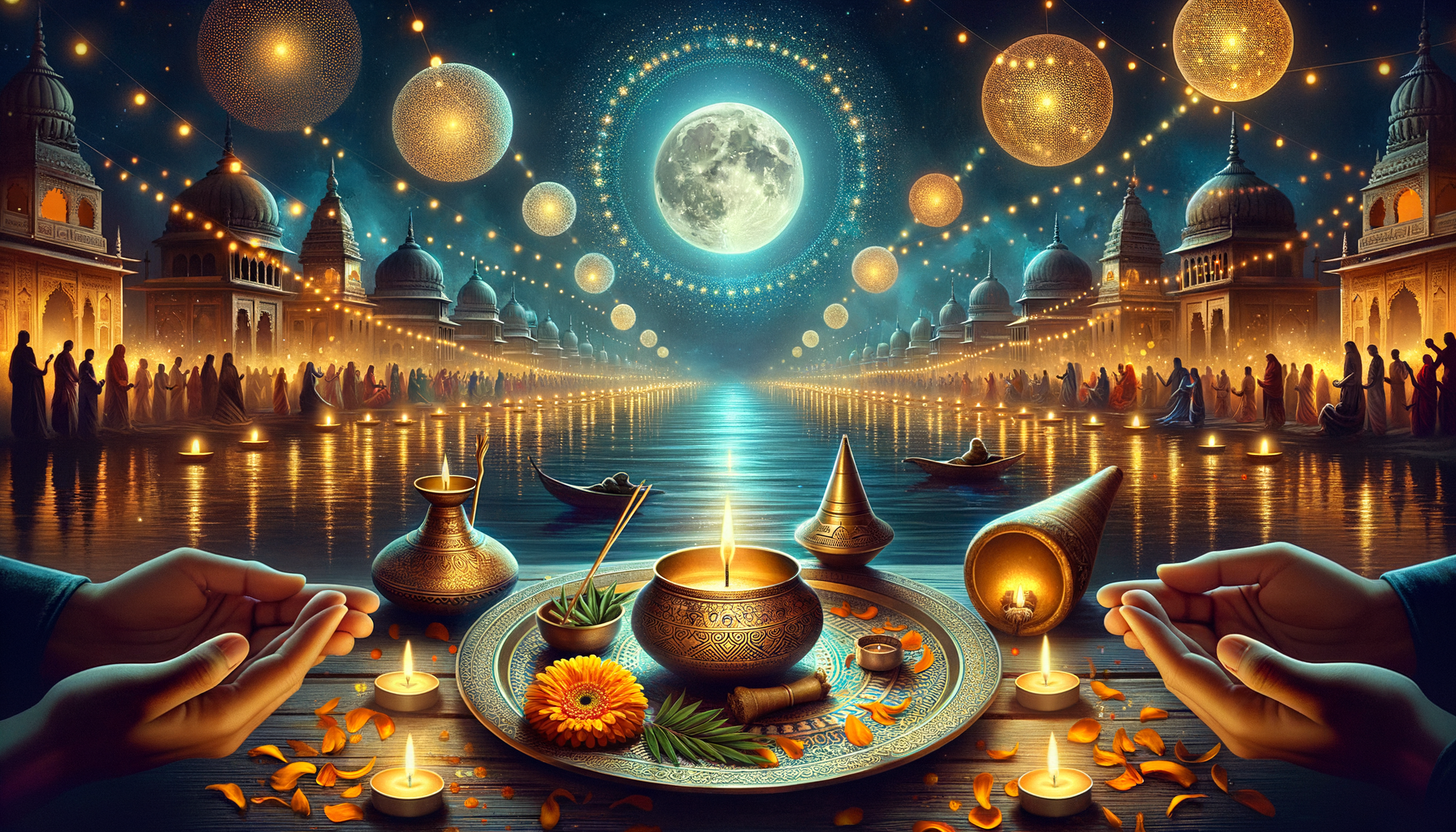
The day is revered as Tripuri Poornima or Tripurari Purnima in remembrance of Shiva’s victory over Tripurasurathe dissolution of darkness through knowledge and virtue. In many regions, the night is also celebrated as Dev Deepavali, when lamps are offered to deities and the entire riverscape radiates with deep-daan, embodying the triumph of light and dharma.
Kartik Purnima holds shared resonance across dharmic traditions. In Sikh communities, the Gurpurab of Guru Nanak is traditionally observed on Kartik Purnima, emphasizing remembrance, kirtan, and seva. Jain communities undertake sacred yatra, notably to Shatrunjaya, and dedicate the day to vrata, prarthana, and daan. Many Buddhist communities honor the Full Moon with meditation, dana (charity), and collective mindfulness. This shared ethosillumination, compassion, and self-disciplinestrengthens interfaith harmony within the broader dharmic family.
Common observances on Kartik Purnima include snan (holy dip) at rivers and tirthas, deep-daan along riverbanks and temple precincts, and daan to support community welfare. Families often perform Satyanarayana vrata, offer tulsi puja, chant bhajans, and visit Shiva and Vishnu temples, integrating devotion with ethical living. The day encourages simplicity, restraint, and gratitudequalities that sustain spiritual growth beyond the festival.
Several locations are especially renowned for their Kartik Purnima celebrations. In Varanasi, Dev Deepavali illuminates the ghats with countless diyas, transforming the Ganga’s banks into a luminous offering of collective devotion. In Rajasthan, the Pushkar Mela culminates with a sacred snan at Pushkar Lake, blending pilgrimage, community exchange, and cultural traditions rooted in antiquity.
For observance, it is advisable to consult the local Panchang for Purnima tithi timings. Sustainable choicessuch as eco-friendly lamps and mindful offeringsalign ritual with responsibility. Acts of seva and inclusive prayers for the well-being of all reinforce the festival’s core message: the radiance of dharma grows when compassion and unity guide personal and collective action.
By honoring Kartik Purnima (Tripuri/Tripurari) with devotion, charity, and shared celebration, communities nurture continuity between ancient wisdom and contemporary lifelighting the way toward harmony among Hinduism, Buddhism, Jainism, and Sikhism.
Inspired by this post on Hindu Pad.