Friday, January 2, 2026, holds notable significance in the Panchang (Hindu Calendar). The day begins with Shukla Paksha Chaturdashi, the fourteenth lunar day in the waxing phase of the moon, and transitions into Purnima, the full moon tithi. This overview presents the core tithi timings alongside contextual insights that help practitioners plan worship, reflection, and service in harmony with dharmic traditions.
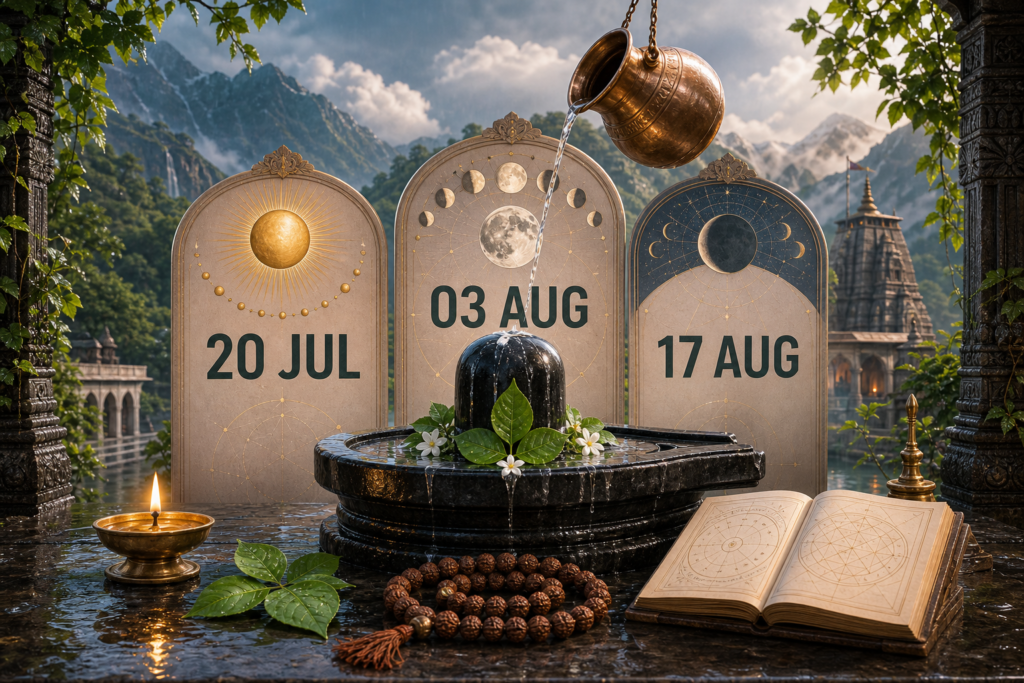
According to the available details, Shukla Paksha Chaturdashi prevails until 6:12 PM on January 2, 2026. From 6:12 PM onward, Purnima tithi takes effect and is reported to continue until 4:03 PM (regional calculations may vary). Because tithi boundaries can shift slightly based on location and computation methods, consulting a reliable local panchang is advisable for precise city-wise application.
Shukla Paksha Chaturdashi is traditionally associated with focused discipline and preparation, as it precedes the fullness of the lunar cycle. Many observant households use this period for mindful sadhana, lighting lamps in the evening, and adopting satvik routines. The timing offers an opportunity to complete initiatives, undertake japa with steadiness, and cultivate inner clarity before the transition to Purnima.
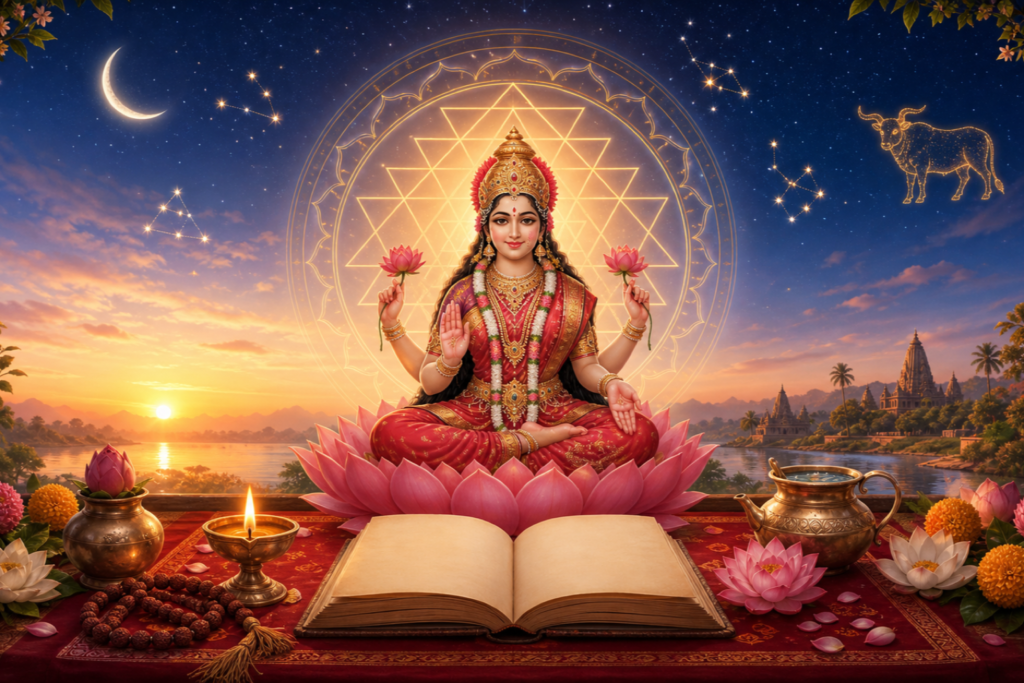
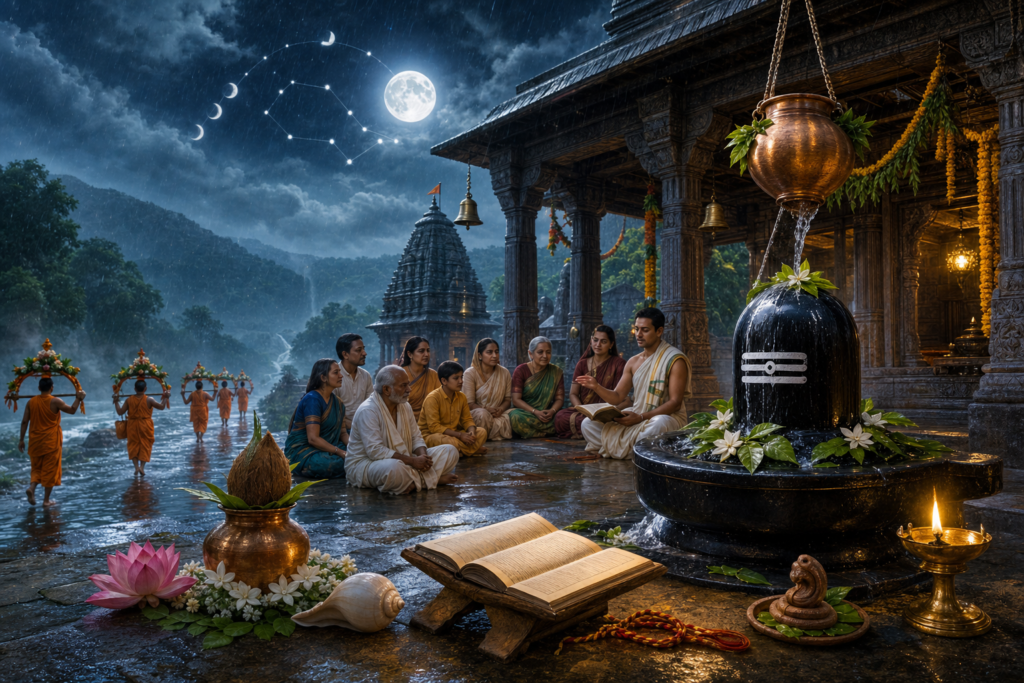
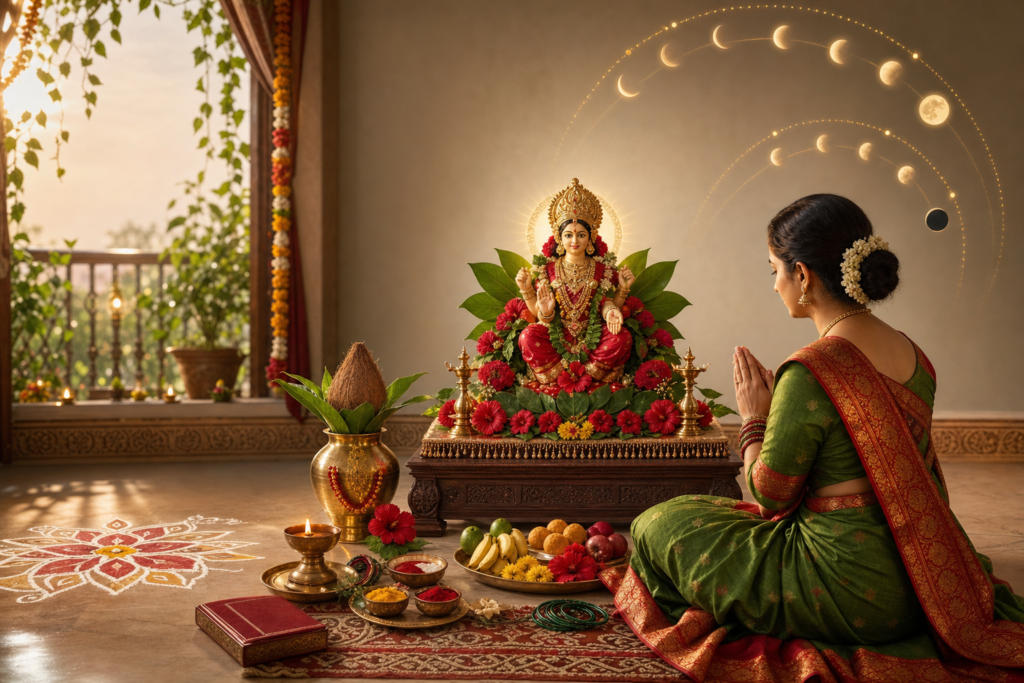
Purnima, the full moon, is widely honored across regions for its luminosity and auspicious energy. Devotees often engage in vrata, darshana, and evening prayers, and many find that the serene glow supports contemplation, gratitude, and community bonding. Families commonly gather for simple rituals, share prasad, and dedicate time to seva, recognizing the full moon as a moment to celebrate completeness and collective well-being.
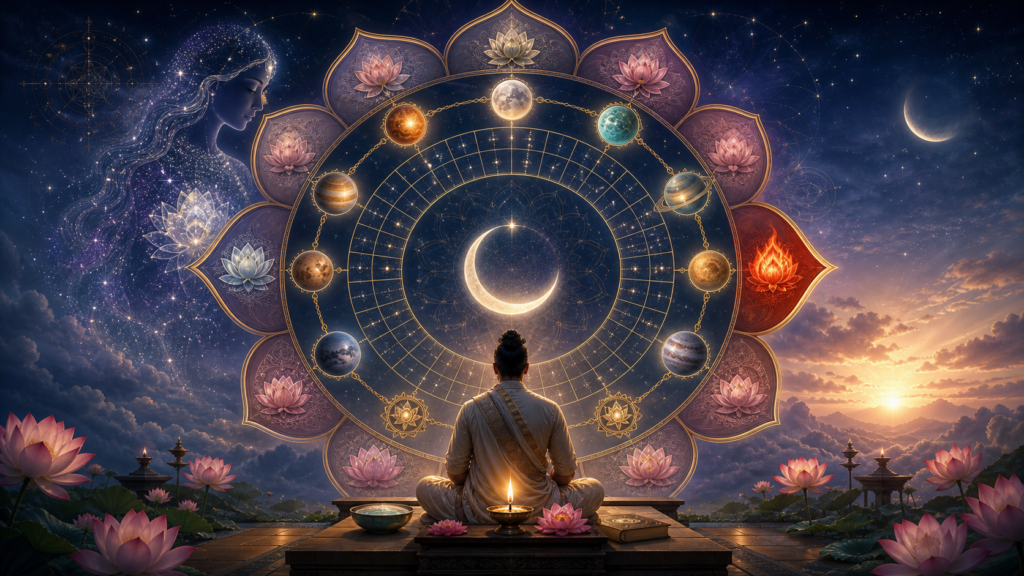
Good Time (Shubh Muhurat), Nakshatra, and Rashi details are best confirmed from a trusted regional Panchang, as these elements are sensitive to local latitude, longitude, and the chosen siddhanta. In practice, many follow Brahma muhurta (pre-dawn) for meditation and Sandhya (dusk) for prayers, while aligning key activities to locally computed shubh windows. Incorporating Nakshatra and Rashi guidance can further refine personal and family observances on this day.
Lunar observances such as Purnima resonate across dharmic traditions, nurturing unity in diversity. In Hindu communities, Purnima often anchors vrata and puja; in Buddhist contexts, full-moon observances (e.g., Uposatha/Poya) inspire ethical reflection; Jain traditions mark full-moon parvas with discipline and study; and many Sikh families appreciate the shared cultural rhythms of the lunar cycle even as the Nanakshahi calendar remains primary. These parallel practices encourage mutual respect, shared learning, and a sense of civilizational kinship.
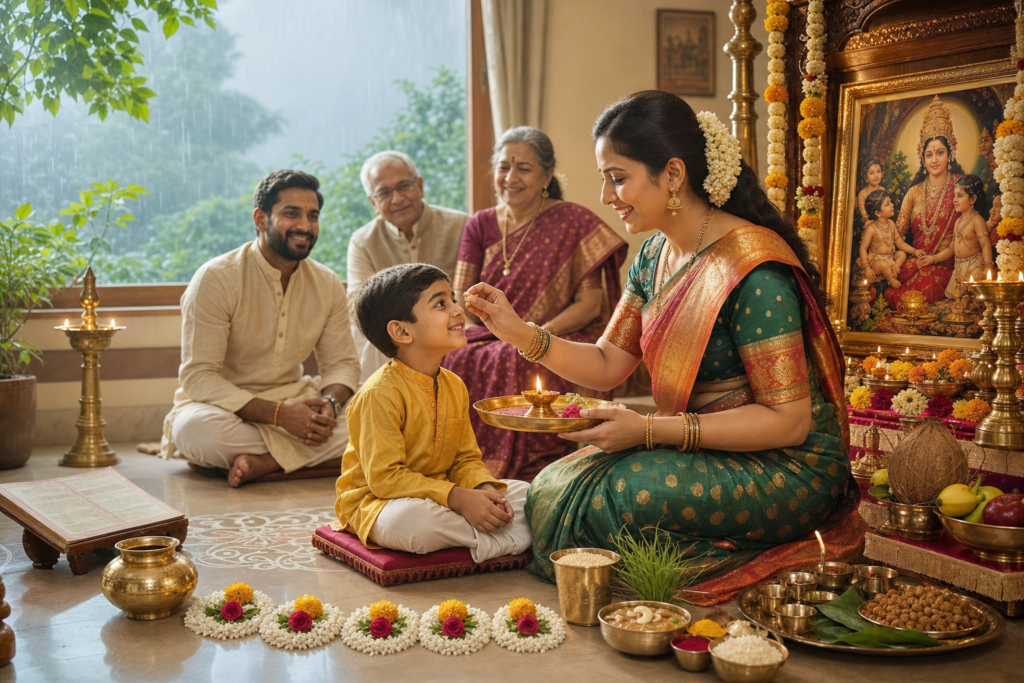
Practically, the day invites balanced planning: complete important tasks during the active momentum of Shukla Paksha Chaturdashi, and embrace the contemplative calm of Purnima by evening. Simple actsoffering a diya at dusk, reading a passage from revered scriptures, or sharing a meal mindfullycan deepen the experience. Many find that such small, consistent observances foster inner steadiness and strengthen family and community ties.
Because Panchang computations vary, this summary should be paired with a regional almanac for exact Nakshatra, Rashi, and shubh muhurat windows in a given locality. Aligning spiritual intent with accurate timings helps practitioners honor tradition with care, precision, and inclusivity.
Inspired by this post on Hindu Blog.