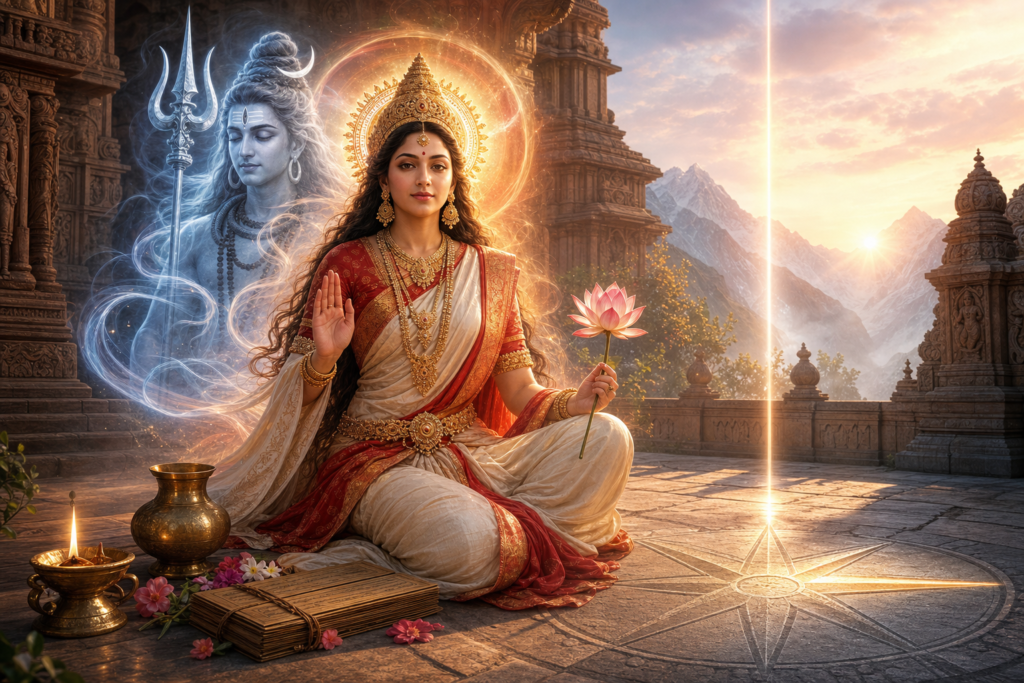
This guide presents verified dates for key Hindu festivals and fasting observances in January 2026 based on major Hindu calendars and the Panchang commonly used across India. All timings and references align with Indian Standard Time (IST). The focus is clarity, accuracy, and practical guidance so observances can be planned with confidence and reverence.
Across dharmic traditions, observances foster inner discipline, community harmony, and compassion. While the dates below pertain to Hindu practices, the spirit of seva, dana, meditation, and ethical living resonates equally with Buddhism, Jainism, and Sikhism, strengthening shared values of mutual respect and unity.
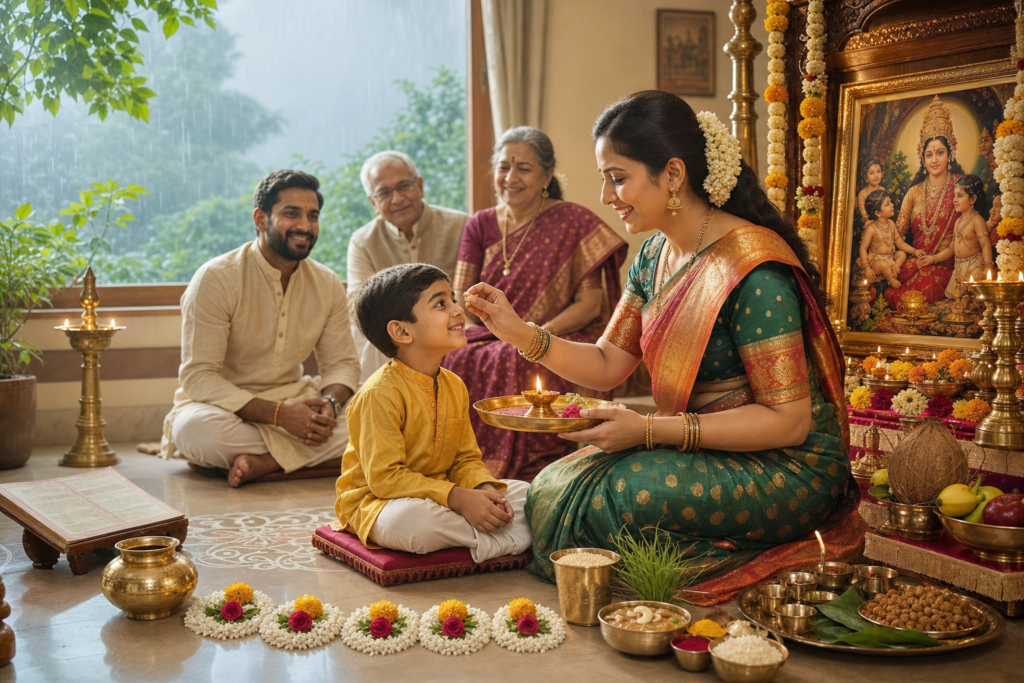
January 2, 2026 Purnima Vrat: Many devotees observe fasting on this day in anticipation of the full-moon rites. Practices typically include a morning snana, a sankalpa for vrata niyamas, satvika meals or upavasa as per family tradition, and evening puja. Common observances include the reading or performance of Satyanarayana Katha, deepa lighting, and danaespecially anna-danato embody gratitude and service.
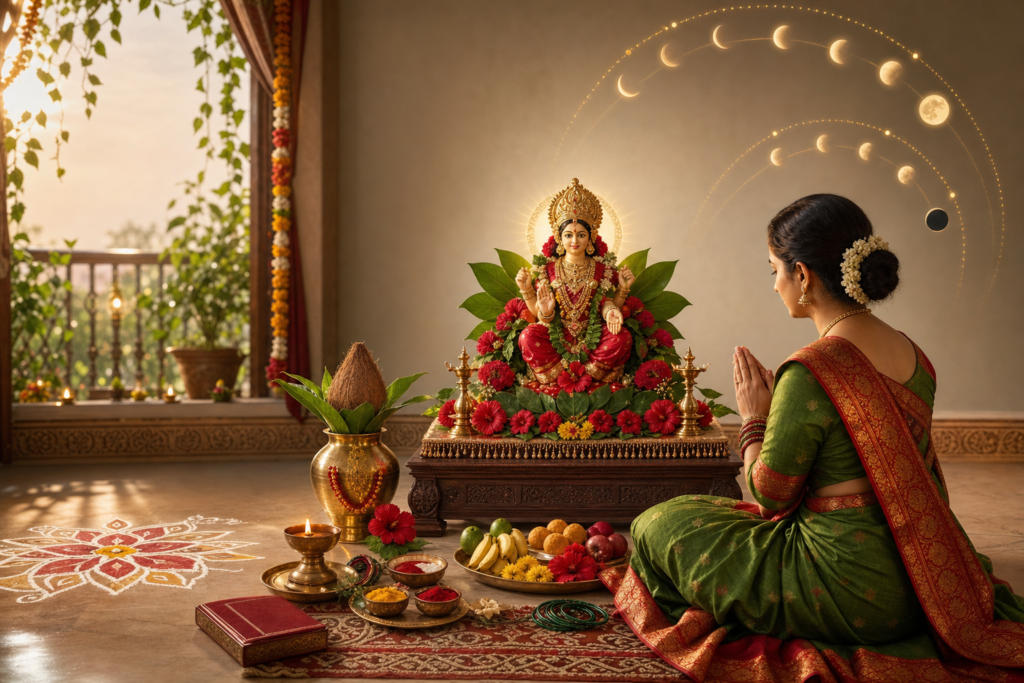
January 3, 2026 Purnima Shakambari Purnima Shakambari Navratri ends: The culmination of Shakambari Navratri honors Devi Shakambari, revered as the nourisher who blesses with vegetation and sustenance. Devotees often offer a variety of shaka (vegetables and greens), recite Devi stotras, and undertake community-focused seva, reflecting care for both nature and society. The full-moon puja on this day carries a heightened emphasis on gratitude for food, health, and environmental balance.
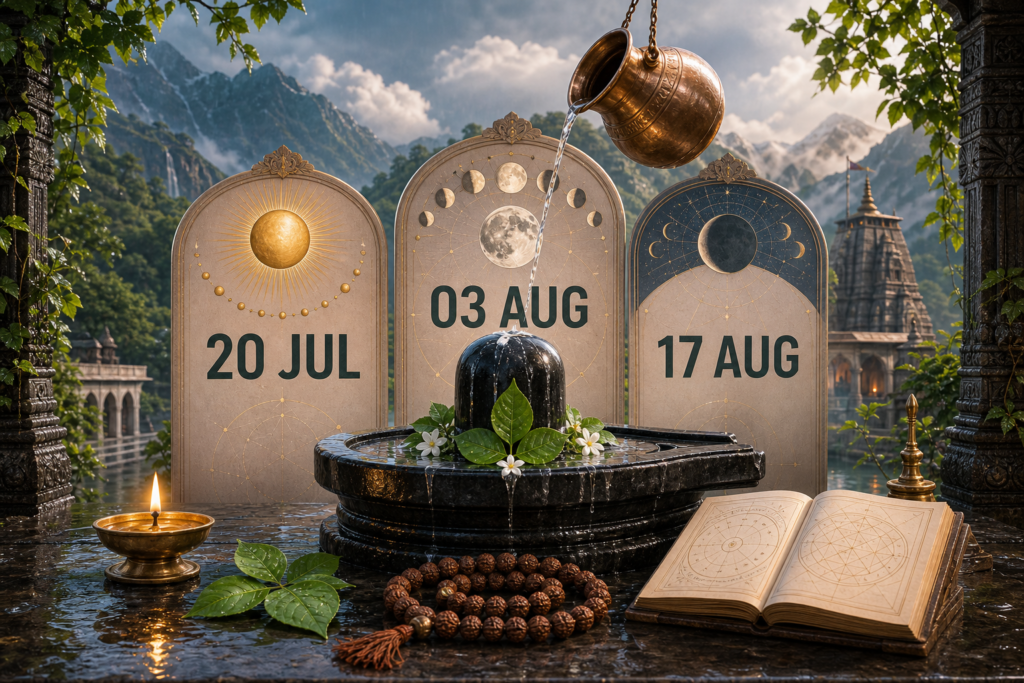
January 3, 2026 Arudra Darshanam: Celebrated prominently in Tamil Nadu during Margazhi, this Shaivite festival venerates the cosmic dance of Shiva as Nataraja. Temples perform special abhishekam and alankaram to Nataraja, and households may prepare traditional offerings such as Thiruvathirai kali and ezhu kari kootu. The observance invites contemplation on inner rhythm, discipline, and the harmony between movement and stillnesscore themes in yogic and dharmic practice.
Regional variations are natural across India’s diverse Hindu calendar traditions. Temple schedules, community customs, and diaspora practices may differ slightly. For precise muhurta and local adjustments, consulting a trusted Panchang, local temple notice, or family guru tradition is recommended. All dates here are noted in IST to maintain consistency.
For a mindful and inclusive observance, many households find value in a simple sequence: snana (purification), sankalpa (intention), deepa (light), naivedya (offering), japa and dhyana (mantra and meditation), and dana (charity). Such practices cultivate inner clarity and shared well-being, reflecting dharmic unity through compassion, restraint, and service.
These January 2026 datesPurnima Vrat, Shakambari Purnima with the conclusion of Shakambari Navratri, and Arudra Darshanamoffer opportunities to align personal discipline with community care. Observed with understanding and respect, they enrich spiritual life while affirming harmony among India’s diverse dharmic paths.
Inspired by this post on Hindu Blog.