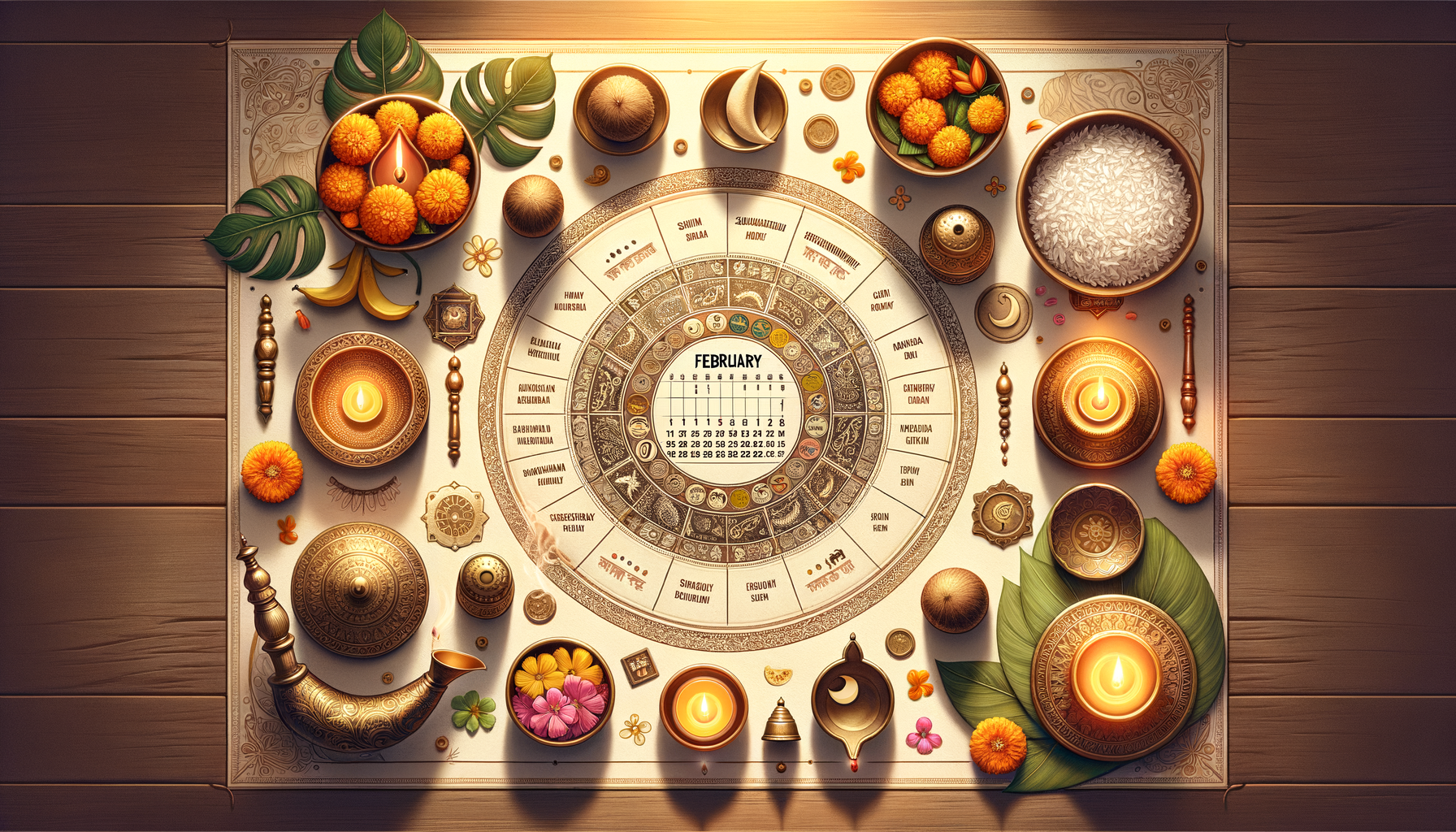
February 2026 aligns with Magha and Falgun months in the Telugu, Kannada, Marathi, Gujarati, and North Indian Hindi calendars. During this period, Hindu festivals and auspicious days (Shubh Muhurat) are determined by lunar tithis as per standard Hindu Panchang systems. This guide presents a clear, practical overview to help readers plan observances with cultural sensitivity and calendrical accuracy.
Festival dates in Hindu tradition follow the lunisolar framework: each event is tied to a specific tithi within Shukla Paksha (waxing phase) or Krishna Paksha (waning phase). Local sunrise, time zone, Panchang school (e.g., Drik-based or traditional regional almanacs), and temple customs may yield minor variations. Consequently, verifying tithi intervals and timings for one’s location remains essential.
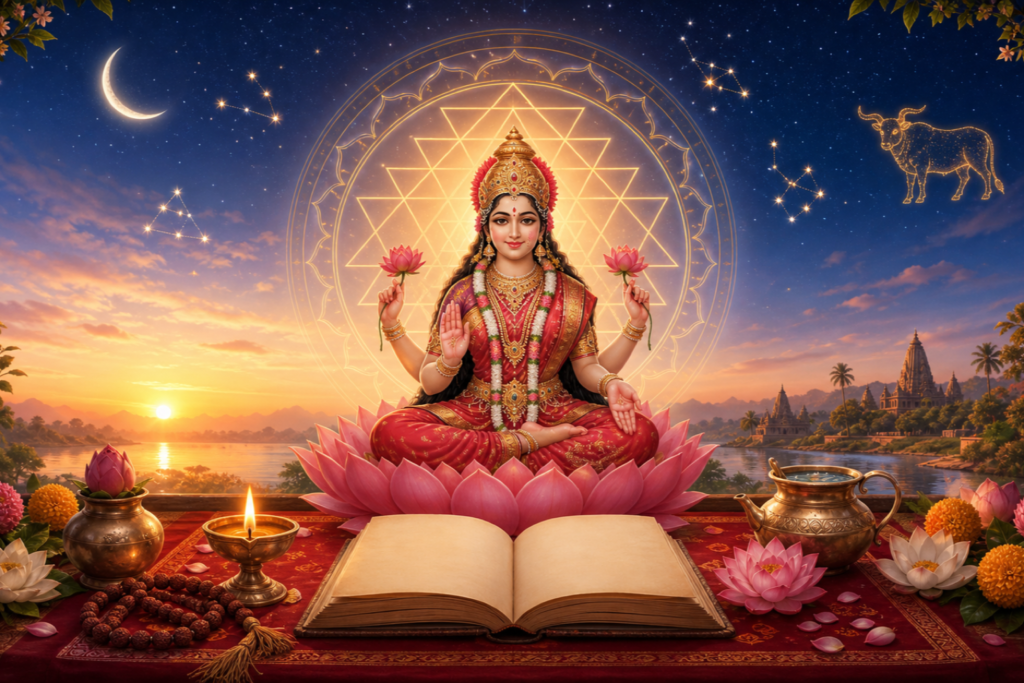
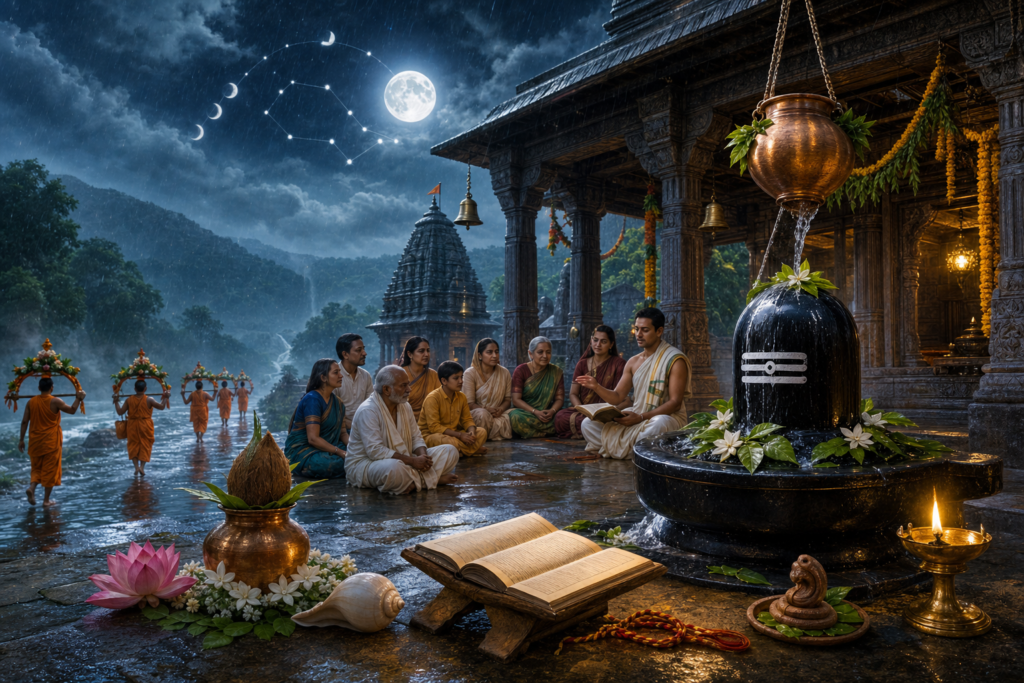
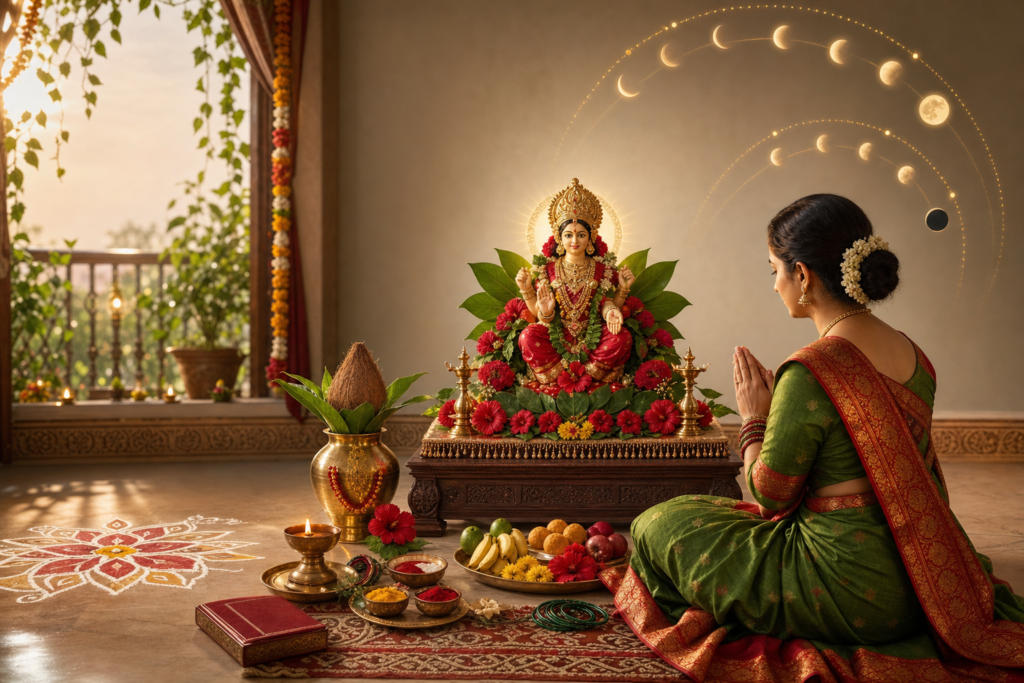
Across Magha–Falgun, communities typically observe a constellation of sacred days: two Ekadashi fasts (one in each paksha), Pradosh Vrat (fortnightly), Sankashti Chaturthi, Masik Vinayak Chaturthi, Purnima, Amavasya, and the monthly Masik Shivaratri. Many years also witness Vasant Panchami (Saraswati Puja), Ratha Saptami, Mauni Amavasya/Magh Amavasya, and Maghi Purnima in this window; for 2026, readers are encouraged to consult the Panchang for precise local dates and tithi spans. Such observances nurture learning, restraint, and devotionvalues shared across households and community spaces.
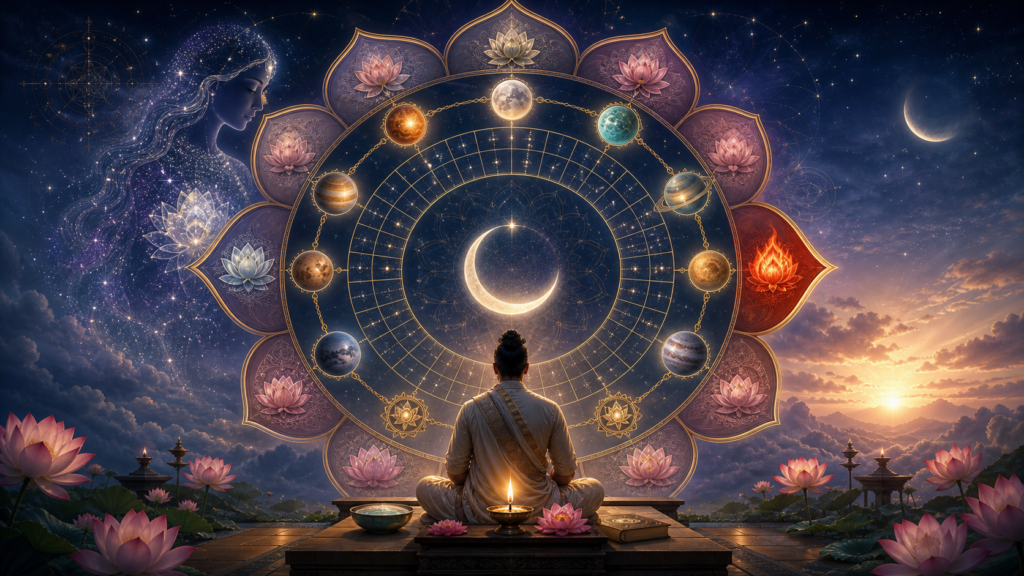
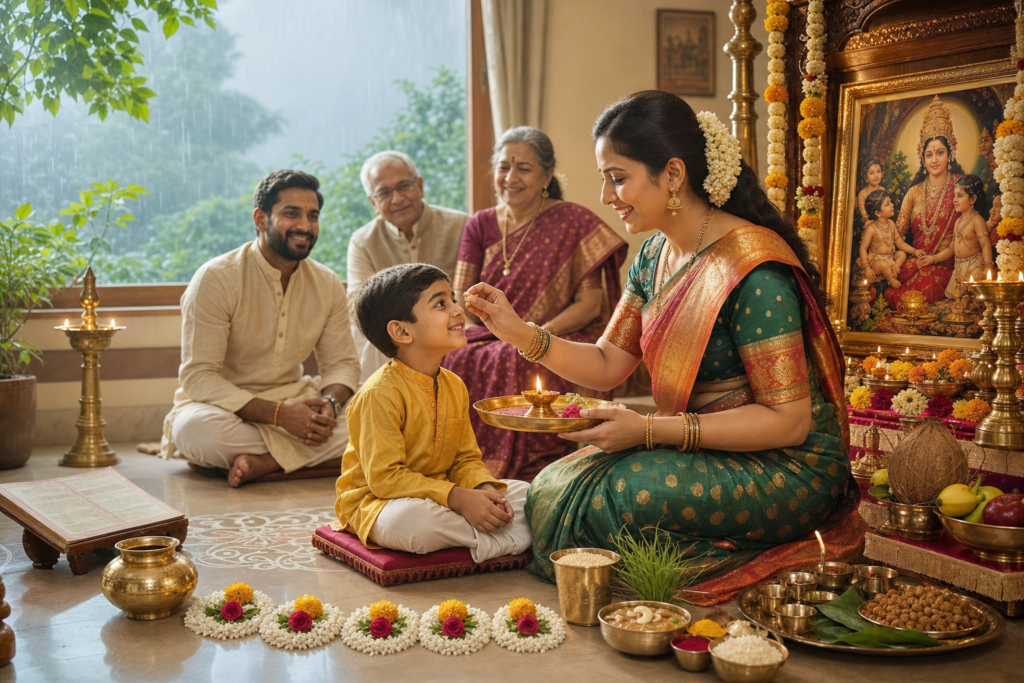
Auspicious days (Shubh Muhurat) in February 2026 can be selected for milestones such as Griha Pravesh, Namkaran, Aksharabhyasam, engagements, and property-related decisions. Muhurat selection typically factors in Tithi, Nakshatra, Yoga, and Karana, alongside supportive measures like Chandrabalam and Tarabalam. Aligning these indicators with family traditions and temple guidance helps ensure both spiritual resonance and calendrical propriety.
Regional calendars contribute richly textured practices: Telugu, Kannada, Marathi, Gujarati, and North Indian Hindi Panchang traditions may designate festival windows with small timing differences, particularly where sunrise-based calculations and latitudinal factors diverge. Readers are best served by cross-checking a trusted local almanac and the schedule released by nearby temples to confirm sankalpa times, vrata rules, and darshan arrangements.
The spirit of Magha–Falgun also affirms unity among dharmic traditions. The advent of spring (Basant/Basant Panchami), reverence for knowledge, disciplined fasting, and community service (seva) resonate across Hindu, Buddhist, Jain, and Sikh communities in diverse ways. This shared ethoscelebrating learning, compassion, and harmonystrengthens interfaith goodwill while honoring the distinctive sacred calendars and customs within each tradition.
For effective planning in February 2026, a brief checklist supports accuracy and ease: confirm tithi start–end times for one’s city; review two independent Panchang sources; consult local temples for festival-specific timings; note temple-specific observances; and respect regional customs regarding fasting, parana, and offerings. Thoughtful preparation fosters serene participation, reduces scheduling conflicts, and upholds cultural continuity within families and communities.
Approached with care, February’s Magha–Falgun cycle offers a balanced rhythm of vrata, celebration, and reflection. By grounding observance in reliable Panchang calculations and nurturing inclusive cultural bonds, communities can celebrate Hindu festivals and auspicious days with reverence, clarity, and unity.
Inspired by this post on Hindu Pad.