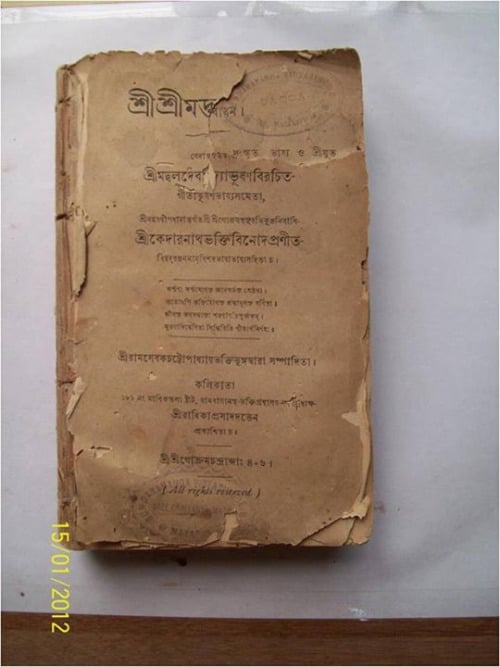
Gita Jayanti commemorates the revelation of the Bhagavad Gita on the battlefield of Kurukshetra, a moment cherished for its clarity on dharma, devotion, and purposeful action. Observed across the Hindu world and appreciated by seekers beyond it, the day invites attentive study, contemplative dialogue, and a renewed commitment to ethical living. In this spirit, the celebration affirms dharmic unity while honoring the diverse pathways of Hinduism, Buddhism, Jainism, and Sikhism, which all value sincere inquiry, compassion, and service.
“For one who explains this supreme secret to the devotees, pure devotional service is guaranteed, and at the end he will come back to Me. There is no servant in this world more dear to Me than he, nor will there ever be one more dear.” This assurance, rooted in the Bhagavad Gita’s concluding chapters (commonly understood from 18.68–69), highlights the ethical and spiritual value of sharing wisdom with humility. Within the bhakti tradition, conveying the Gita’s message is not proselytism but an act of carean offering that aligns knowledge with compassion.
The broader dharmic family recognizes this ethos. In Buddhism, respectful Dhamma discussion nurtures clarity and compassion; in Jainism, Upadesha emphasizes non-violence in thought, word, and deed; in Sikhism, katha and kirtan communicate truth with devotion and service. Each tradition places a premium on teaching that uplifts rather than coerces, echoing the Gita’s call to share wisdom for the common good. Gita Jayanti thus becomes a natural occasion to strengthen inter-dharmic harmony through dialogue grounded in empathy and respect.
Common observances on Gita Jayanti include parayana (recitation), svadhyaya (self-study), japa, meditation, and reflective discussions that connect verses to everyday decisions. Practitioners often focus on karma yoga (selfless action), bhakti (devotion), and jnana (discernment), applying these frameworks to family life, professional duties, and community service. Many find that even a brief, sincere engagement with a single chapter can recalibrate priorities toward integrity, compassion, and resilience.
Relatable experiences abound: households gather to read a chapter aloud; students revisit difficult choices with the Gita’s lens of duty and non-attachment; community groups host inclusive study circles that welcome questions from seekers of varied backgrounds. These practices deepen a sense of shared meaning while strengthening the ethical fabric that binds families and communities. The emphasis remains on inner transformation expressed outwardly as considerate speech and responsible action.
From an academic perspective, the cited assurance frames nearness to the Divine as consonance with dharmawhere understanding matures into practice, and practice into selfless service. The verse honors those who transmit knowledge responsibly, underscoring that transmission must be context-sensitive, compassionate, and free from triumphalism. Such an interpretive approach aligns with the dharmic principle that wisdom flourishes through dialogue and lived example rather than imposition.
In practical terms, Gita Jayanti encourages sharing the Bhagavad Gita’s insights in ways that foster common ground: an invitation to read together, to reflect without polemics, and to collaborate on service initiatives that embody ahimsa, satya, and seva. When guided by humility, teachers and learners alike become participants in a continuous cycle of learning, reflection, and compassionate actionstrengthening unity in spiritual diversity.
Marking Gita Jayanti with study and service honors both the text and its living inheritance. By engaging the Bhagavad Gita through thoughtful recitation, ethical application, and inclusive dialogue, communities celebrate a tradition that is timeless yet responsiveone that illuminates individual duty while nurturing dharmic unity across Hinduism, Buddhism, Jainism, and Sikhism. In this shared space, devotion becomes a bridge, and wisdom a common language.
Inspired by this post on Dandavats.