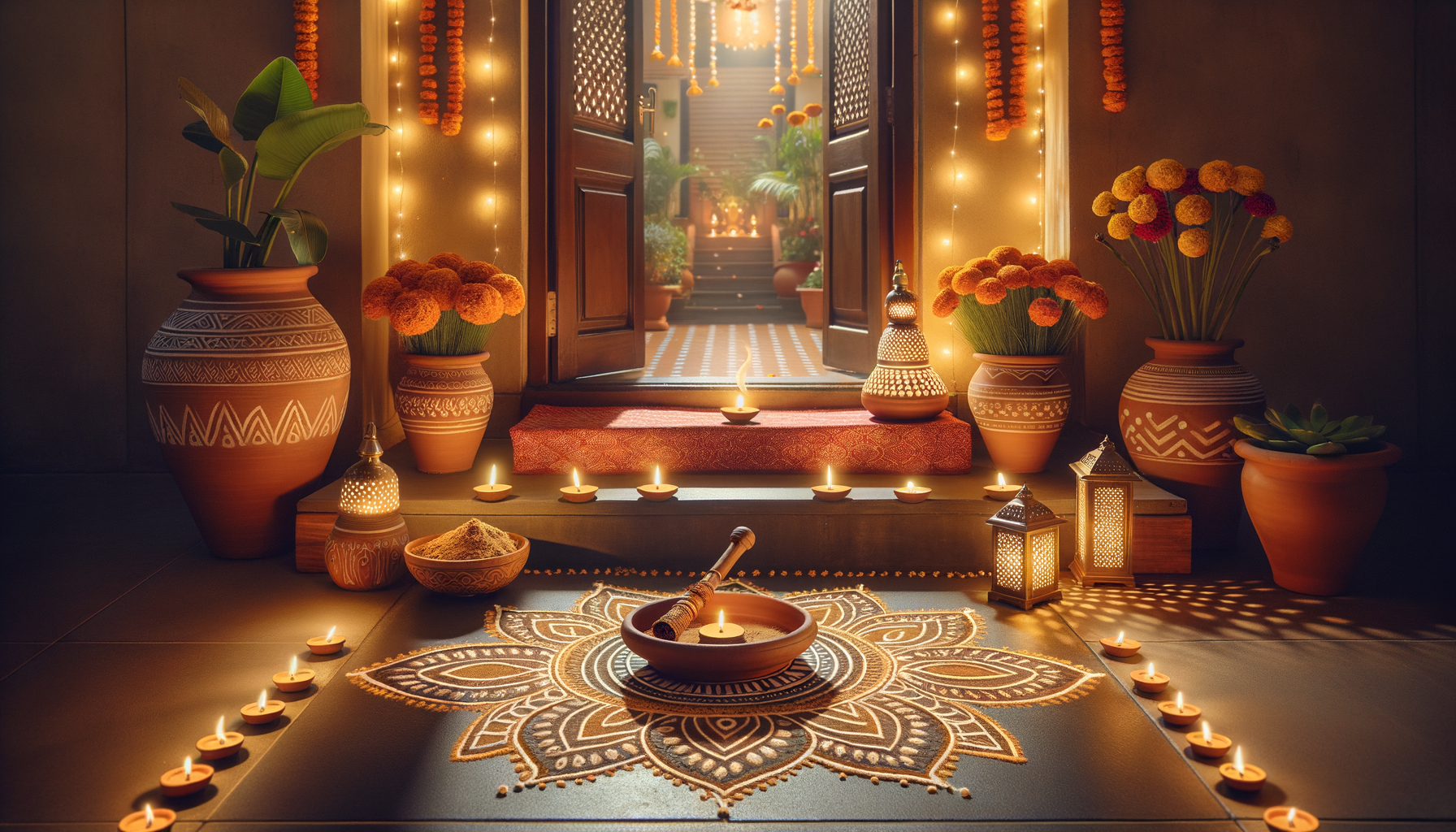
On 20 October 2025, communities across India and the diaspora observe Narak Chaturdashi, also known regionally as Kali Chaudas, Choti Diwali, and Roop Chaudas. It is the second day of the five-day Diwali celebrations and carries a shared focus on cleansing, illumination, and community harmony. In Gujarat and parts of Western India, the day also includes special Hanuman worship, often referred to as Hanuman Puja or “Hanuman Jayanti Pujan” in local practice.
According to the traditional lunar calendar, Kali Chaudas falls on the fourteenth day of Krishna Paksha (Chaturdashi). This timing positions the observance just before the new moon night of Diwali, aligning its rituals with the symbolic transition from darkness to light. The multiple namesKali Chaudas, Narak Chaturdashi, Roop Chaudas, and Choti Diwalireflect India’s cultural diversity while converging on a common theme of inner and outer renewal.
Roop Chaudas emphasizes personal purification and care. Many households undertake abhyanga snan (ritual oil bath) before sunrise, often using sesame oil and herbal ubtan. The practice is understood in an academic and cultural context as both hygienic and symbolicpreparing body and mind to receive the auspicious light of Diwali. For many families, this becomes a shared morning of care and conversation as elders guide younger members through time-honored steps.
Lighting lamps is central to Narak Chaturdashi. In the evening, diyas are placed at thresholds and in courtyards as part of deep-daan. A widely observed practice is Yam Deep Daan, in which a lamp is lit for Yama, associated in tradition with well-being and protection of family. These simple acts of light-making connect neighborhoods and generations, fostering a sense of calm continuity before the exuberance of Diwali night.
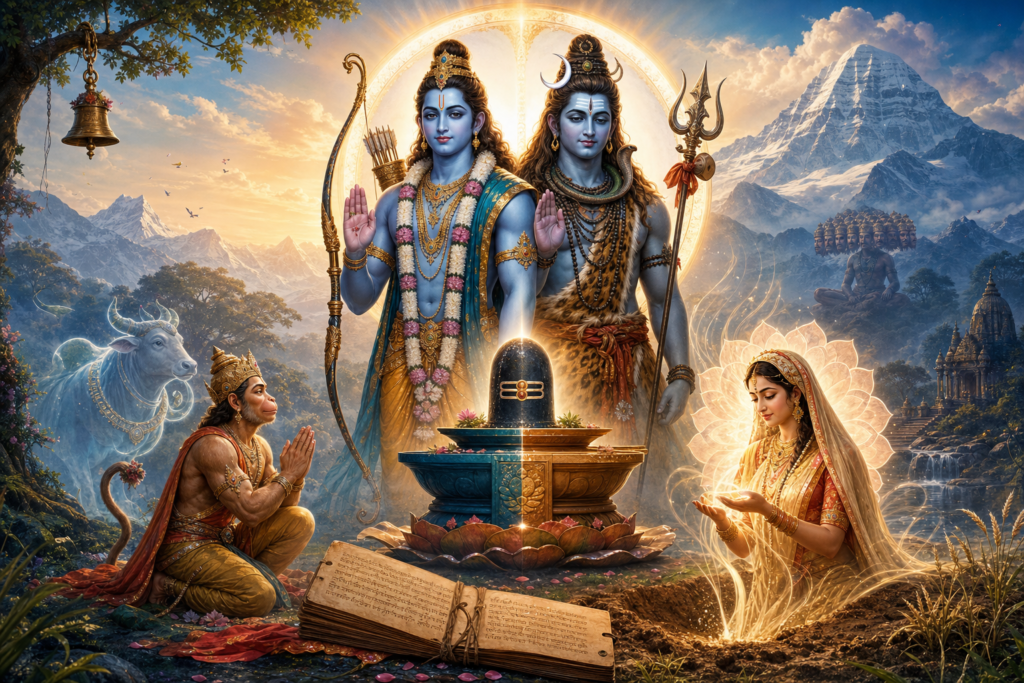
In Gujarat and some Western regions, Hanuman worship on this day is customary. While many regions celebrate Hanuman Jayanti in the month of Chaitra, the local observance on Kali Chaudasdescribed as Hanuman Puja or “Hanuman Jayanti Pujan”seeks strength, steadfastness, and protection. This regional diversity exemplifies the broader dharmic ethos: varied paths and practices that ultimately affirm shared values of seva, resilience, and ethical living.
Mythic narratives associated with Narak Chaturdashi include the vanquishing of Narakasuraan allegory for overcoming negativity and ignoranceand the worship of Kali, representing the decisive removal of inner darkness. Interpreted across dharmic traditions, these themes parallel Buddhist reflections on dispelling ignorance, Jain emphasis on self-restraint and purification, and Sikh ideals of courage and service. The day therefore invites a unifying contemplation that honors diversity while underscoring common aspirations.
As Choti Diwali, the day often features home cleansing, rangoli designs, and the exchange of simple sweets. Children arrange lamps while elders recount the significance of the tithi, turning household routines into living pedagogy. In diaspora settings, community centers and temples host shared lamps and cultural talks, strengthening intergenerational bonds and cross-tradition understanding within the broader dharmic family.
Practical observance typically includes checking the local panchang for the abhyanga snan muhurta and the evening lamp-lighting window. Many households also adopt eco-conscious choicesusing clay diyas, natural oils, and biodegradable rangoli powdersto keep tradition aligned with stewardship. These considered practices support the day’s central intent: to cultivate clarity, care, and collective well-being before the Diwali new moon.
In essence, Narak Chaturdashi 2025 is an academically rich and culturally resonant observance. Whether recognized as Kali Chaudas, Roop Chaudas, Choti Diwali, or through Hanuman Puja in Western India, it offers a shared space for purification, protection, and light. Its inclusive spirit affirms unity among diverse dharmic traditions, demonstrating how many paths can converge toward wisdom, compassion, and social harmony.
Inspired by this post on Hindu Pad.