Dhanurmasa Vratam is a month-long observance followed from Dhanu Sankramana to Makara Sankranti, aligning spiritual discipline with the winter dawn. For the 2025–2026 cycle, Dhanurmasam begins on 16 December 2025 and concludes on 14 January 2026, though regional panchang variations can slightly adjust local timings. The observance centers on early-morning worship, devotion to Vishnu, and a sattvic routine that elevates focus and serenity.
Classical sources underscore the significance of this vratam. References appear in the Brahmanda Purana, the Matsya Purana, Sri Bhagavatham, and the Narayana Samhita, where dawn worship is portrayed as amplifying the merit of prayer and charitable conduct. Within this period, practices such as recitation, vrata, and anna-dāna are emphasized as pathways to inner clarity and communal harmony.
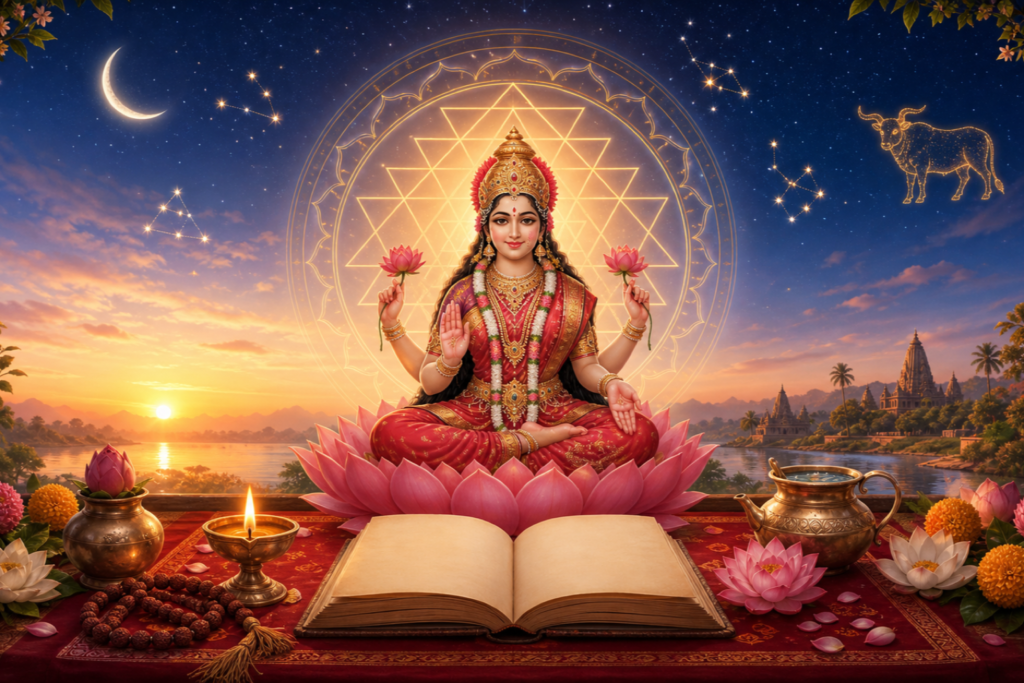
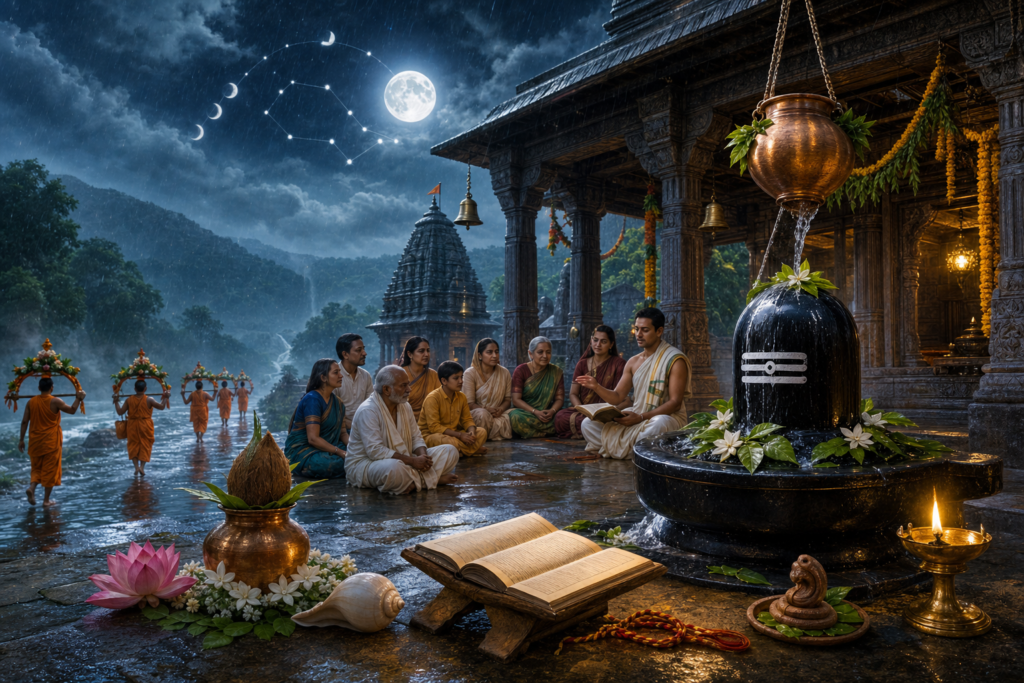
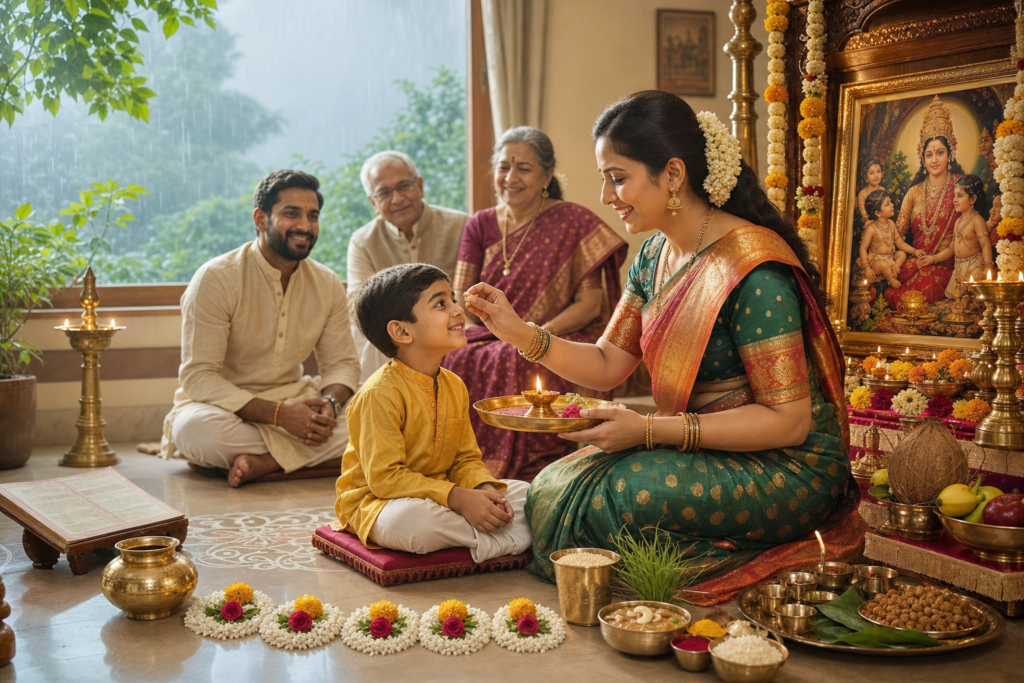
Across regions, the devotional texture is rich and diverse. Many households greet Brahma-muhurta with deepa and tulasi offerings to Vishnu, chant the Vishnu Sahasranama, and, in Tamil traditions during Margazhi, sing the Tiruppavai. Temples often conduct special archana, and communities gather for simple offerings like pongal, highlighting how festival cuisine and devotion together create a palpable sense of shared purpose.
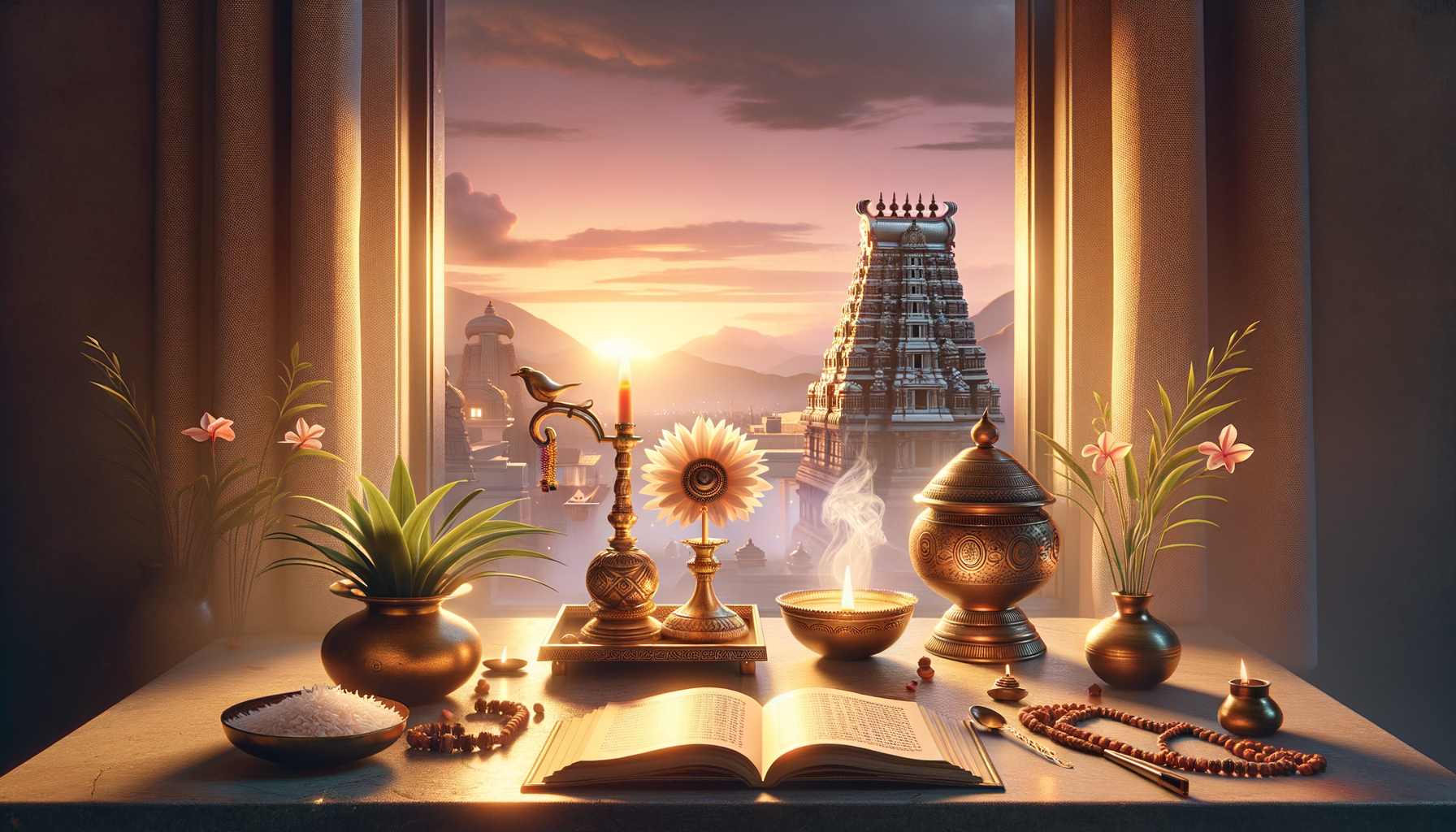
Devotees consistently describe the experiential depth of Dhanurmasa Vratam: the quiet stillness before sunrise, the fragrance of camphor and incense, and the gentle cadence of hymnody become part of a transformative daily rhythm. This dawn-centered discipline naturally encourages mindfulness, emotional balance, and one-pointedness, turning routine mornings into a contemplative space that many find restorative.
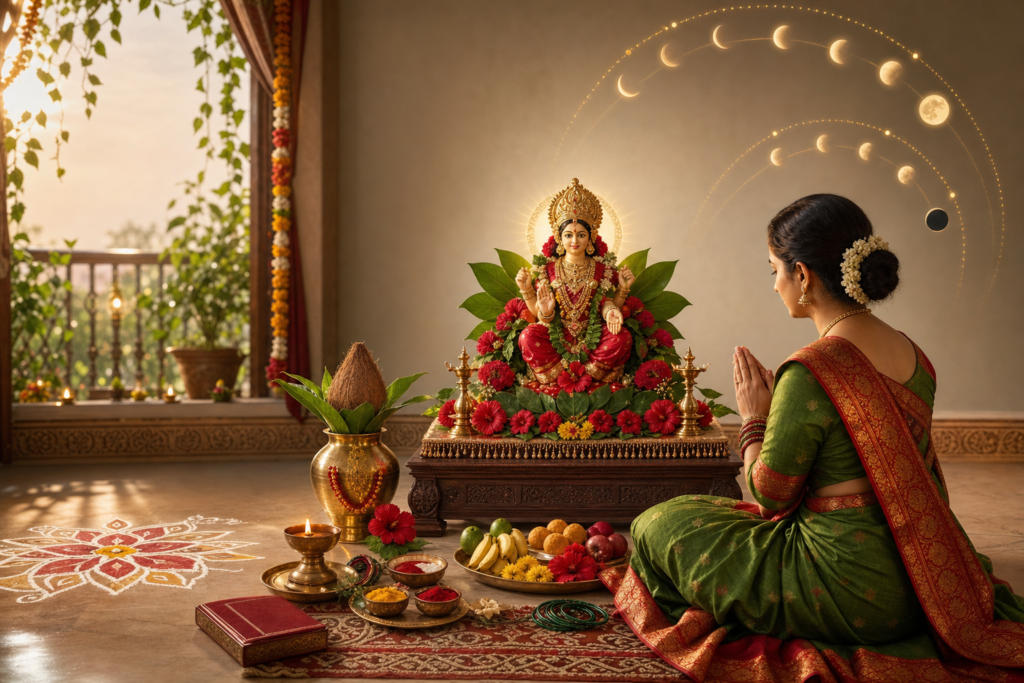
While modes of observance vary by family and sampradaya, several principles remain common. Waking before sunrise, cleansing the worship space, lighting a lamp, offering naivedya, and engaging in japa or parayana (including verses from Sri Bhagavatham) are frequently practiced. Some observe dietary restraint or fasting; many add dana and seva, translating inner devotion into outward compassion. Vaikuntha Ekadashi, which falls within Dhanurmasam, is often observed with heightened devotion; exact dates should be taken from a reliable local panchang.
These practices resonate with shared dharmic values recognized across Hinduism, Buddhism, Jainism, and Sikhismself-discipline at dawn, reverence for sacred recitation, mindful consumption, and service to others. As such, Dhanurmasa Vratam becomes not only a Vaishnava-focused observance but also a season that exemplifies unity in spiritual diversity, inviting all to cultivate compassion, clarity, and communal well-being.
Calendar guidance remains straightforward for 2025–2026: Dhanurmasam begins on 16 December 2025 with Dhanu Sankramana and culminates on 14 January 2026 at Makara Sankranti. Observers are encouraged to consult the local Hindu calendar for sunrise-based rituals and temple schedules. Framing each day around dawn worship, study, and service offers a sustainable, accessible routine that supports both personal growth and community harmony.
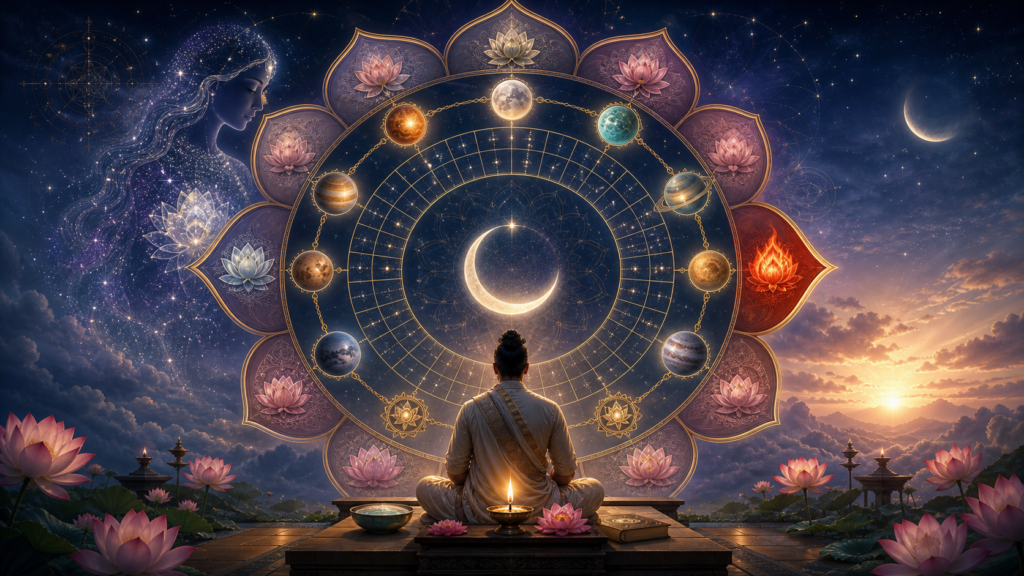
In the broader Hindu calendar, Dhanurmasa Vratam also harmonizes with seasonal markers and festival cycles, culminating at Makara Sankranti 2026an auspicious transition celebrated across India. Anchored in Vedic traditions yet expressed through regional creativity, this vratam demonstrates how timeless wisdom can be lived meaningfully in contemporary life.
Inspired by this post on Hindu Pad.