Dhanteras marks the ceremonial beginning of the Diwali festival, celebrated as Dhantrayodashi and also revered as Dhanvantari Jayanti in many traditions. Dhanteras 2025 date is October 18, and the day is widely associated with auspicious purchases of gold, silver, utensils, and essential tools alongside special puja and rituals observed across diverse communities.
Observed two days before Diwali, Dhanteras falls on the Trayodashi tithi of the Krishna Paksha in the lunar month commonly identified as Kartik in many regional calendars. This convergence links prosperity (artha) and wellbeing (ārogya), reflecting the day’s enduring emphasis on good fortune, health, and ethical stewardship as households prepare for the larger Diwali observances.
As Dhanvantari Jayanti, the day honors the divine patron of Ayurveda, underscoring the cultural importance of health, balance, and preventive care. In parallel, the wealth-giving aspect is expressed through reverence to Śrī Lakshmi and Lord Kuber, integrating economic prudence with spiritual intent and affirming that prosperity and health are complementary pillars of household resilience.
Across the broader dharmic ethosHinduism, Buddhism, Jainism, and Sikhismthis festive season resonates with shared values such as generosity, gratitude, and the triumph of light over darkness. While Dhanteras is rooted in Hindu practice, the virtues it foregroundscare for family, community solidarity, and mindful prosperityspeak to a unifying spirit cherished across dharmic traditions.
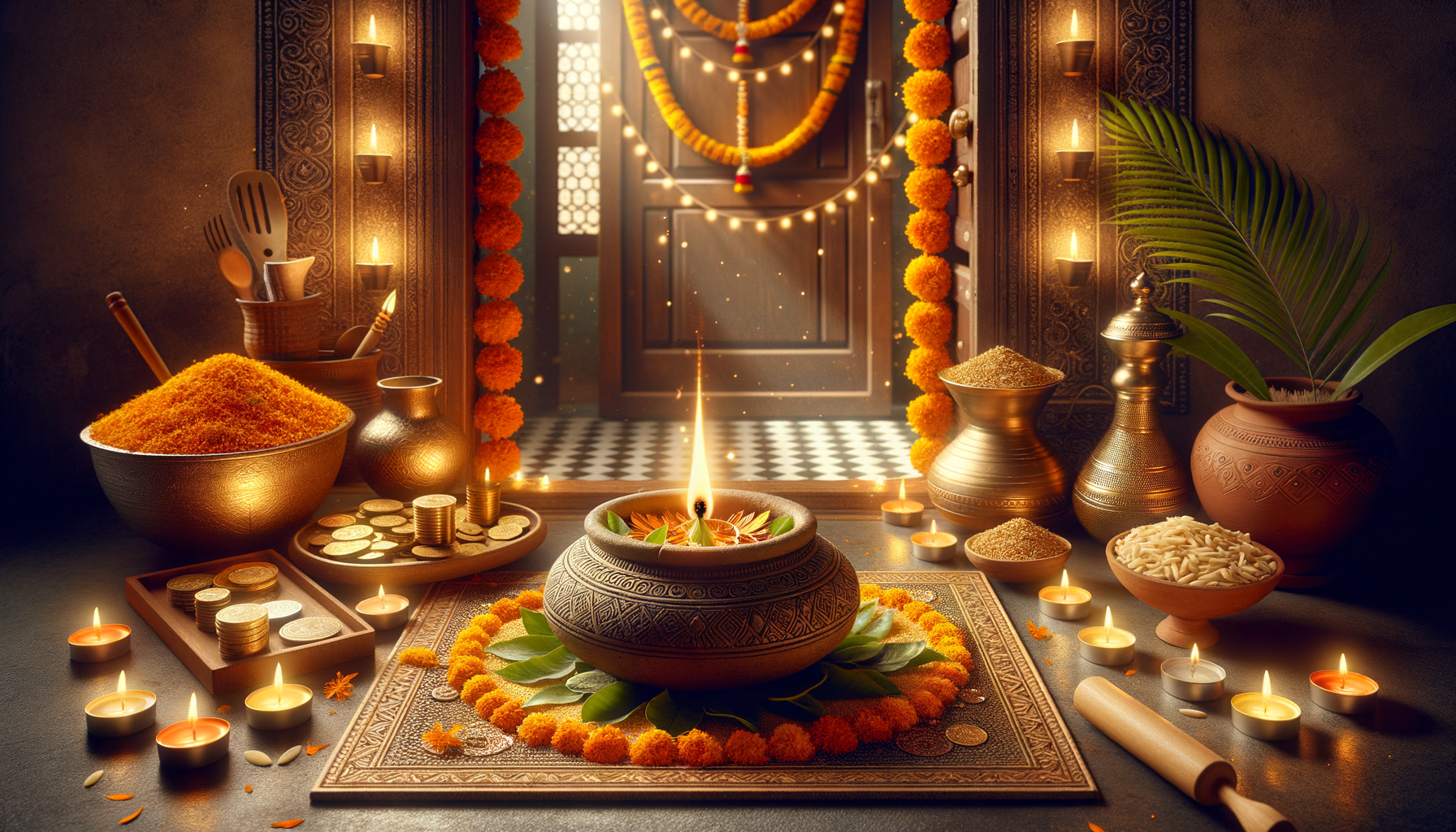
Core observances include Lakshmi–Kuber Puja and offerings to Dhanvantari, the lighting of the first diya of the season, and Yam Deep Daan (a protective lamp placed at the threshold after dusk). Many households engage in a gentle rhythm of cleaning, adorning entrances with rangoli and toran, and preparing simple sweets, creating a contemplative ambience in which wealth is understood as both material sufficiency and inner contentment.
The custom of purchasing gold, silver, coins, brass or steel utensils, and essential tools on Dhanteras symbolizes inviting abundance through useful, value-adding items. In several regions, families also bring home new diyas and basic household implements, aligning purchases with practical needs, sustainability, and long-term wellbeingan ethic that harmonizes with the festival’s core message of responsible prosperity.
For many households, the soft glow of the first diya at dusk becomes a moment of gratitude and togethernesschildren gathering at the doorway for Yam Deep Daan, elders reciting simple mantras, and families reflecting on the year’s lessons. Such shared experiences subtly transform ritual into a lived philosophy: wealth is safeguarded by wisdom, and health is nurtured by care.
In 2025, Dhanteras is observed on Saturday, October 18. While Pradosh Kaal (after sunset) and a Sthir Lagna are traditionally favored for Lakshmi Puja, timing varies by location. Consulting the local panchang ensures accuracy for muhurat, especially for Yam Deep Daan and evening prayers. This careful attention to time reflects a broader commitment to harmony between cosmic rhythms and everyday life.
Practical observances often include mindful charity, replacing old diyas with eco-friendly earthen lamps, and prioritizing purchases that support local artisans. These choices extend the day’s blessings outwardnurturing community livelihoods and weaving prosperity with compassion, a theme celebrated widely during the Diwali period.
Dhanteras thus ushers in the Diwali cycle: Naraka Chaturdashi (Choti Diwali) follows, culminating in the principal Lakshmi Puja on Diwali night, and continuing with Govardhan Puja and Bhai Dooj in many regions. Together, these observances form an integrated arc of renewalcleansing, illumination, gratitude, and kinshipanchored in a dharmic vision of balanced wealth and holistic wellbeing.
Inspired by this post on Hindu Blog.