Trilochana Gauri Vratam is a sacred observance dedicated to Goddess Gauri, traditionally performed in Karthika Masam according to the Hindu lunar calendar. In 2025, this vrata falls on 24 October, coinciding with Shukla Paksha Tritiya of Kartika, and is also known in some traditions as Vishnu Tritiya Vratham. The day is regarded as auspicious for invoking purity, harmony, and well-being within the household and community.
The name “Trilochana” evokes the three-eyed aspect of the Divine Mothersymbolizing heightened awareness, balanced insight, and transformative energy. Devotees venerate Goddess Gauri (a benevolent form of Pārvatī) to cultivate inner clarity and compassionate strength. The observance reflects core dharmic values such as ahimsa, satya, and tapas, aligning with the Hindu way of life and emphasizing self-discipline as a path to spiritual refinement.
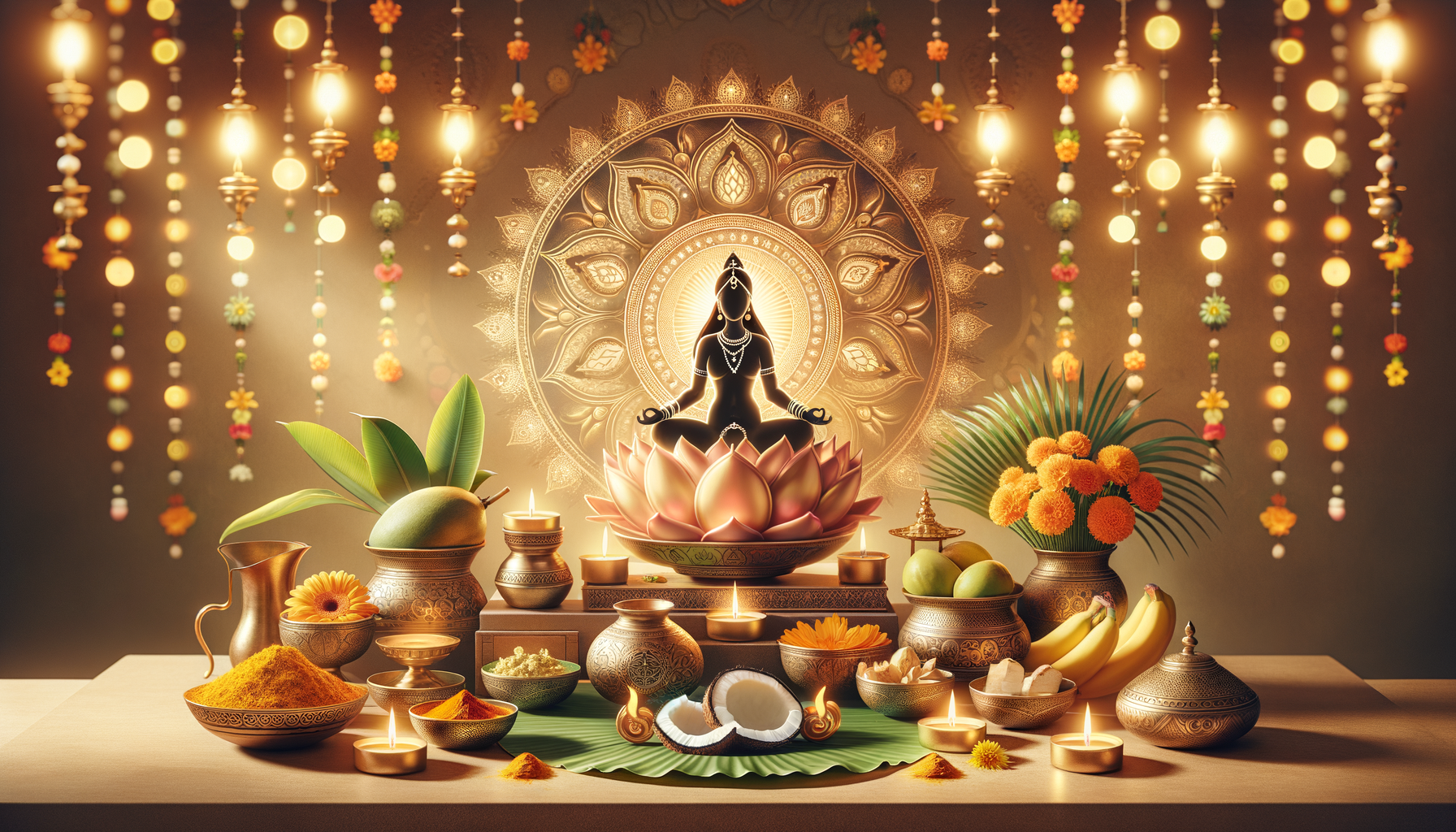
Ritual practice typically includes a pre-dawn bath, a clear sankalpa (intention), and fastingobserved as nirjala, phalahara, or a simple satvik regimen, depending on individual capacity. The Gauri puja is performed with turmeric, kumkum, flowers, and a lit deepam, accompanied by stotra recitation in praise of the Divine Mother. Given its parallel name, Vishnu Tritiya Vratham, many also chant Vishnu-related hymns, underscoring the harmonious complementarity of Shakti and Vishnu worship. Offerings (naivedya), quiet mantra japa, and acts of dana (charity) complete the observance, with the fast typically concluded after the puja in the evening.
The spiritual significance of Trilochana Gauri Vratam extends beyond ritual correctness. Devotees often describe a renewed sense of calm, improved focus, and a gentle strengthening of familial bonds. The three-eyed symbolism encourages a holistic visionrecognizing the temporal (sun), the reflective (moon), and the transformative (fire) aspects of awarenessas a means to master the mind and nurture compassionate action.
As a vrata centered on self-discipline, ethical living, and service, the observance resonates with the shared ethos of Hinduism, Buddhism, Jainism, and Sikhism. Practices akin to vratasuch as uposatha in Buddhism and poshadha/vratas in Jainismreflect a common dharmic appreciation for restraint, reflection, and community harmony, while Sikh principles of seva and simran echo the spirit of mindful devotion. Observing Trilochana Gauri Vratam in this inclusive light affirms unity across dharmic traditions and fosters mutual respect.
Across regions, Karthika Masam is widely associated with lamp lighting, temple visits, and simple, sattvic living. Families may gather in the evening to light diyas, offer prayers for collective well-being, and share prasad. While women traditionally observe Gauri vratas for family welfare and auspiciousness, the vrata remains meaningful for all practitioners who seek inner purification, gratitude, and steadfastness in daily life.
Practical guidance emphasizes clarity and care: consult the local panchang for precise tithi and muhurta; keep the observance sustainable with eco-friendly lamps and biodegradable offerings; and prepare a clean, peaceful space for puja and meditation. Those with health considerations may adapt the fast responsibly, prioritizing intention and steady devotion over austerity for its own sake.
Calendar note for 2025: Trilochana Gauri Vratam is on Friday, 24 October (Kartika Shukla Tritiya). As calendars vary by region (Amanta and Purnimanta traditions), checking sunrise-based local timings ensures accuracy. Many communities conclude the day with a reflective reading, collective aarti, and charitable giving to extend the merit of the vrata to the wider community.
Observed with sincerity and knowledge, Trilochana Gauri Vratam becomes a meaningful practice of self-cultivation, reinforcing harmony within the home and goodwill in society. Its focus on ethical action, devotion, and shared uplift makes it a timely observance in Karthika Masam and a unifying expression of dharmic values.
Inspired by this post on Hindu Pad.