Kartik Ekadashi, also known as Utthana Ekadasi, Prabodini Ekadashi, Bodhini, and Dev Uthani Ekadashi, is observed on the Shukla Paksha Ekadashi of the Kartik month. In 2025, Kartik Ekadashi falls on 1 November. Both Smarta and Vaishnava traditions observe this Sarva Ekadashi on the same date, honoring a shared spiritual milestone across the Hindu calendar.
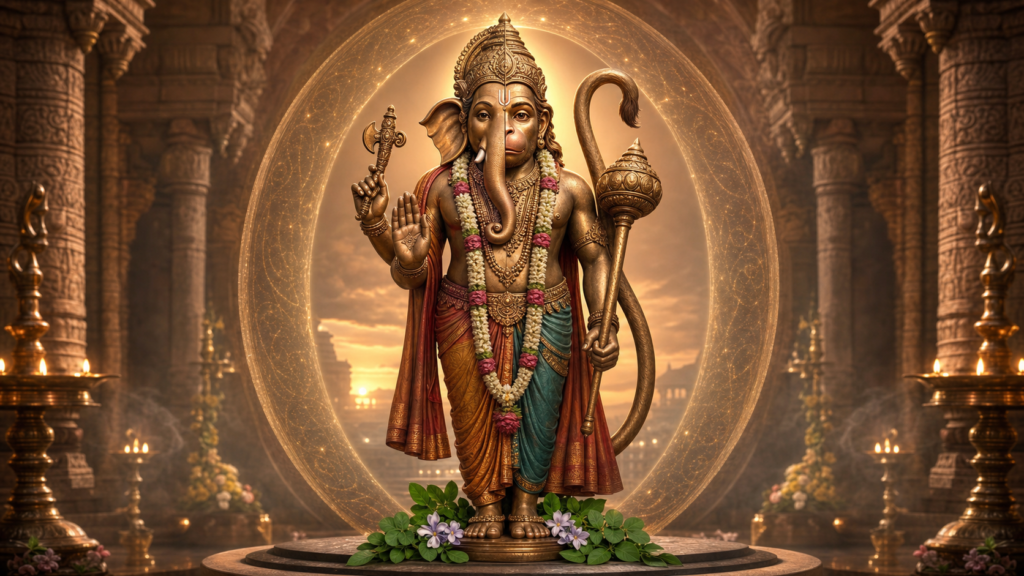
Scriptural traditions hold that on this day Lord Vishnu awakens from four months of Yoga nidra (Chaturmas). This awakening symbolizes a collective turn toward renewal, ethical living, and devotion. Communities recognize the occasion as an auspicious time to resume sacred vows, commence social and family ceremonies, and strengthen dharmic values that nourish personal and collective well-being.
Devotees typically observe a vrata (fast) with disciplined mindfulness, engage in japa, and recite stotras such as Vishnu Sahasranama and passages from the Bhagavad Gita. Offerings to Tulsi, lighting of diyas, Deep Daan by rivers or temple tanks, and darshan of Vishnu temples are common. While some keep a nirjala fast, many follow a satvik diet; the preferred parana (fast-breaking) occurs on Dwadashi according to local sunrise and tithiconsulting a regional panchang is recommended.
Across regions, observances express rich cultural diversity within unity. In Maharashtra, Kartiki Ekadashi inspires vibrant devotion linked to the Pandharpur tradition. In the South, Karthika Masam practices include daily deepa lighting and visits to temples of both Shiva and Vishnu, reflecting the month’s elevated spiritual merit. In many households, Tulsi worship culminates around this period, and communities emphasize seva, dana, and collective prayer.
The ethical disciplines highlighted by Kartik Ekadashiself-restraint, ahimsa, meditation, and sevaresonate across dharmic paths. The contemplative stillness emphasized in Buddhism, the tapas and non-violence central to Jainism, and the spirit of simran and seva cherished in Sikhism harmonize with the bhakti orientation of this day. In this way, Kartik Ekadashi nurtures unity in diversity while honoring distinct practices with mutual respect.
For mindful observance, communities increasingly choose eco-conscious offerings such as clay lamps and natural wicks, minimize waste, and support local, ethical producers for puja items. Many families also integrate charitable actionsfood distribution, community clean-ups, or educational supportembodying the dharma of compassion alongside ritual worship.
As a calendrical guide, the principal date for Kartik Ekadashi in 2025 is 1 November. Specific fasting windows, night vigil practices, and Dwadashi parana timings vary by location and should be aligned with an accurate local panchang. Observing these details maintains both scriptural fidelity and the devotional depth traditionally associated with this sacred day.
In summary, Kartik Ekadashi 2025 (Dev Uthani/Prabodini) offers a complete framework for spiritual renewal: honoring Lord Vishnu’s awakening, deepening bhakti through vrata and stotra, practicing seva and ahimsa, and appreciating regional customs within the broader harmony of dharmic traditions. The day’s core purposeinner awakening and collective goodwillremains central to Hindu festivals and to the shared spiritual ethos of the subcontinent.
Inspired by this post on Hindu Pad.