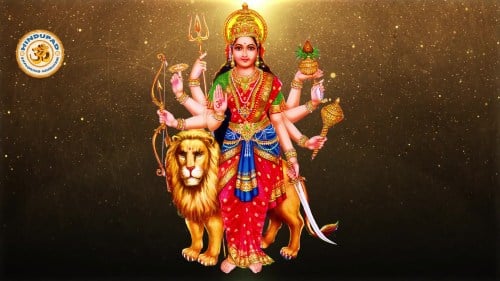
Kartik month (Kartik Mash) is the seventh month of the Bengali calendar and traditionally inaugurates Hemonto ritu, the cool, crisp late-autumn season. In 2025, according to the Bengali Panjika, Kartik 1432 spans from October 19 to November 17. This lunar month holds enduring cultural and religious significance across Bengal, shaping household routines, communal observances, and temple calendars.
The 2025 Kartik timeframe aligns with a period of high ritual density in the Bengali cultural sphere. Communities in West Bengal and across the Bengali-speaking world customarily observe major festivals during Kartik Mash, including Kali Puja and Diwali (Deepavali), Bhoot Chaturdashi, Jagaddhatri Puja in several districts, and the Raas Utsav (notably in Nabadwip). Family-centered vratas such as Kartik Brata, daily lighting of lamps near the Tulsi plant, and Kartik Snan by riverbanks also appear in many local Panjikas and folk practices.
Ethnographic accounts consistently note how Hemonto ritu is experienced through sensory and seasonal cues: clear skies, gentler sunlight, and the scent of mustard oil diyas in courtyards. For many households, Kartik Mash symbolizes renewalan interval for disciplined devotion, acts of dana (charity), and community participation. These practices not only structure time according to the Bengali calendar but also reinforce living links to heritage.
While Kartik is deeply rooted in Hindu ritual life, the month also intersects with observances across dharmic traditions, underscoring shared civilizational threads. In Sikh communities, the period around Kartik Purnima often coincides with Gurpurab commemorations of Guru Nanak Dev. Jain communities mark Diwali as the Nirvana Kalyanak of Bhagwan Mahavira and continue Kartik observances into the bright fortnight. In many Buddhist communities, Kathina Dana ceremonies occur in the late rainy-season period around October–November, reflecting a parallel emphasis on generosity and spiritual discipline. These convergences highlight a unifying ethos of light, learning, and ethical action.
For planning and accuracy in 2025, readers should note the core parameters: Bengali Kartik 1432 runs from October 19 to November 17. Key tithis such as Amavasya and Purnima, which shape festival dates and temple programs, occur within this window and may vary slightly by locality, lunar calculation, and institutional Panjika. Checking one’s regional Panjika or temple noticeboard ensures alignment with local practice.
From a cultural-history perspective, Kartik Mash functions as a vital bridge between agricultural rhythms and ritual calendars in Bengal. The month’s emphasis on light (deepa), restraint, and communal cohesion is mirrored in its festival ecologyfrom household lamp-lighting to large-scale pujas. These observances collectively sustain cultural memory, strengthen intergenerational bonds, and foster unity across dharmic traditions through shared values of compassion, service, and inner illumination.