20 October 2025 marks Narak Chaturdashi—widely known as Kali Chaudas, Choti Diwali, Roop Choudas (Roop Chaudas), and Hanuman Jayanti Pujan in regional traditions. As the second day of the five-day Deepavali (Diwali 2025) observances, it centers on cleansing, protection, and illumination, preparing households for the main Diwali festivities that follow.
Falling on the 14th lunar day (Chaturdashi) of Krishna Paksha, Kali Chaudas (Kali Choudash Puja) traditionally emphasizes dispelling darkness—both physical and symbolic. Across regions, the day’s practices harmonize personal purification with communal well-being, reflecting the festival’s broader arc from preparation to celebration.
Classical narratives connect Narak Chaturdashi with the defeat of Narakasura, symbolizing the conquest of inner negativity. In this spirit, Narak Chaturdashi 2025 invites reflection on ethical living and renewed intention, aligning household observances with the timeless Diwali theme of light overcoming ignorance.
A hallmark ritual on this day is Abhyanga Snan at dawn, often performed with sesame oil and a gentle ubtan. Framed as both hygienic and symbolic, this practice is understood as a mindful reset—a way to cultivate clarity, serenity, and readiness for Diwali 2025. Many households note that the quiet of early morning deepens the contemplative quality of this snan.
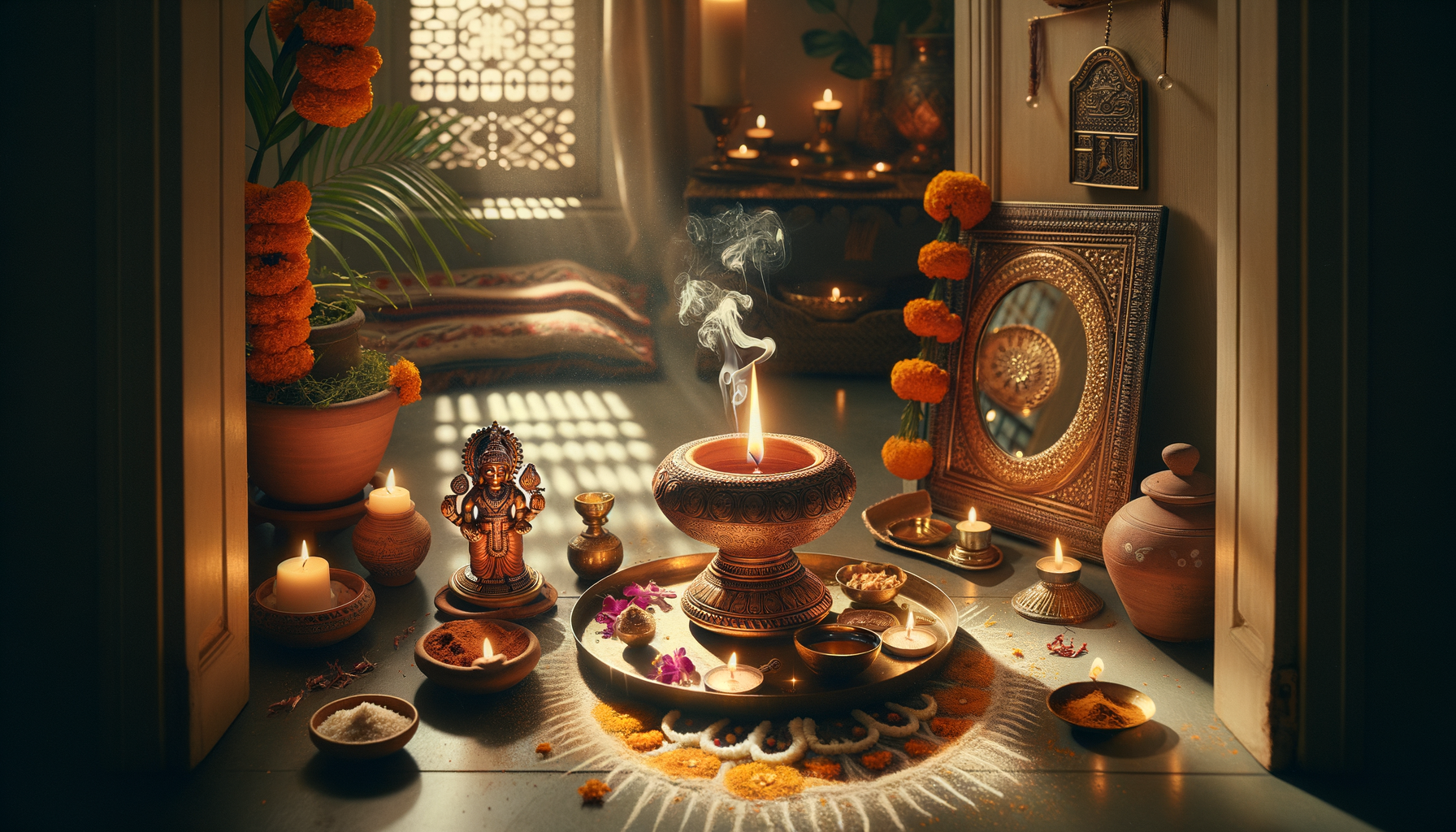
In the evening, Yam Deep Daan (Yam Deep Daan 2025) is observed by lighting a dedicated lamp with prayers for family well-being and protection. Placed near the entrance or within the home’s sacred space, the lamp becomes a reminder of continuity, gratitude, and care across generations.
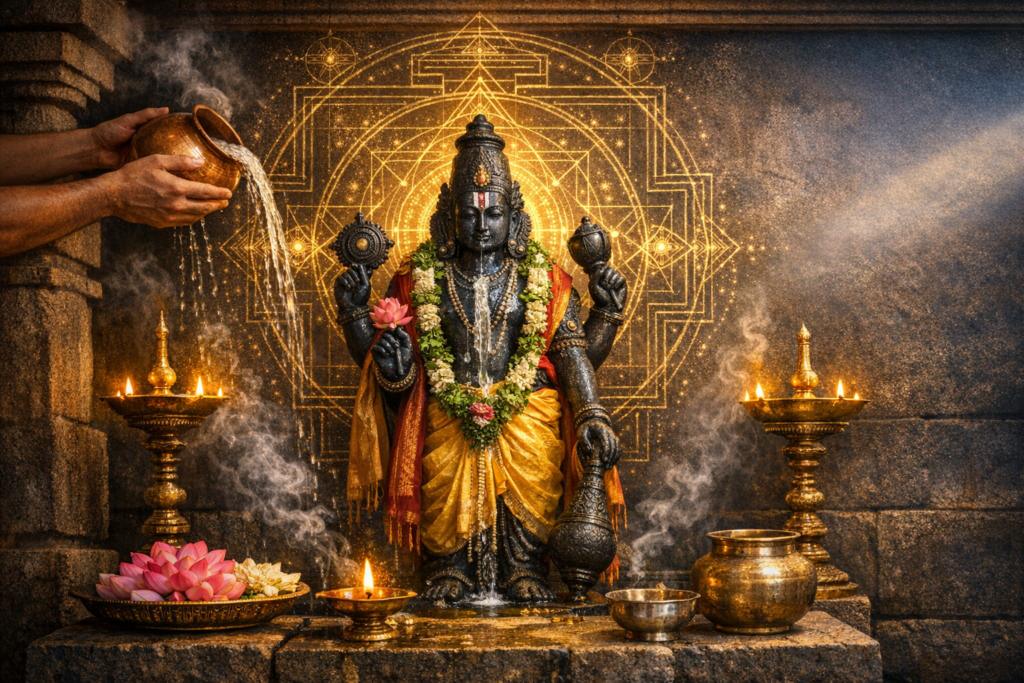
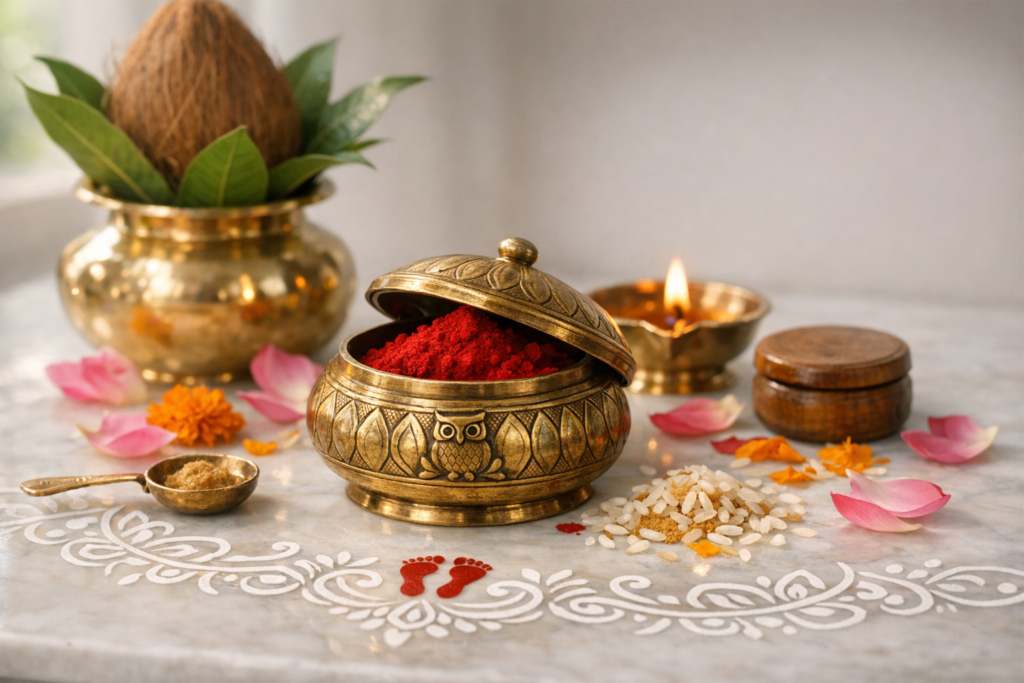
In Gujarat and parts of Western India, Hanuman Puja is prominent on Kali Chaudas, and some communities observe Hanuman Jayanti Pujan on this date. Devotees offer oil and sindoor, recite the Hanuman Chalisa, and meditate on courage, service, and steadfastness—qualities associated with Hanuman’s protective grace. These Kali Chaudas rituals in Gujarat express a living continuity between devotion and everyday resilience.
Roop Choudas (Roop Chaudas) focuses on inner and outer radiance. Families may prepare simple, traditional skincare with gram flour, turmeric, and rose water as an act of self-care integrated with sadhana. In many homes, this becomes a gentle, intergenerational moment—elders pass on Roop Chaudas traditions that unite well-being with mindfulness.
While practices vary, a common thread links Hinduism, Buddhism, Jainism, and Sikhism: the light of understanding, compassion, and self-discipline. Lighting diyas, embracing ahimsa, practicing dhyana, and offering seva embody values shared across dharmic paths. On Narak Chaturdashi 2025, this unity in spiritual diversity is felt in homes and community spaces alike.
For those seeking a simple, grounded observance: plan Abhyanga Snan at dawn, prepare a clean space for Yam Deep Daan, and, where customary, perform Hanuman Puja with focused recitation. Many families find that keeping the day eco-conscious—using natural oils, clay lamps, and minimal packaging—honors Diwali’s spirit of responsibility and care.
As Choti Diwali bridges preparation and celebration, Narak Chaturdashi 2025 offers a complete rhythm: cleansing at sunrise, protective devotion at dusk, and quiet reflection throughout. Whether through Kali Chaudas customs, Hanuman Jayanti Pujan in Gujarat, or Roop Chaudas self-care, the day’s observances nurture clarity, courage, and community.
Inspired by this post on Hindu Pad.