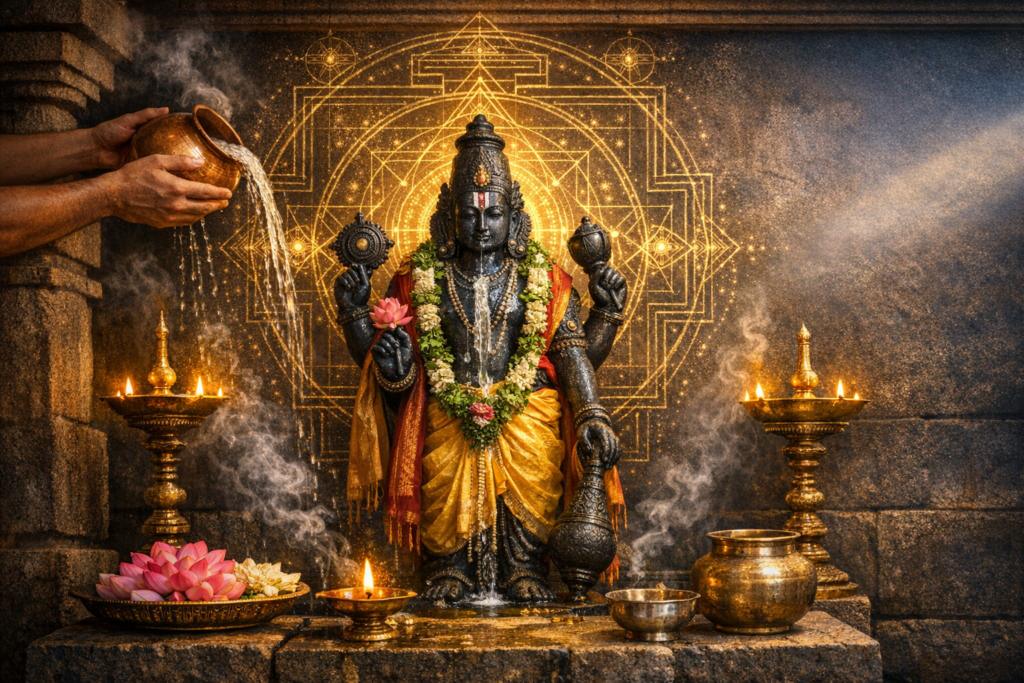
Gita Jayanti is observed on the 11th day of the Shukla Paksha (waxing phase of the moon) in the month of Margashirsha as per the traditional Hindu calendar. In 2025, Gita Jayanti falls on Monday, December 1 in North India and is likewise marked on December 1 in western parts of India. The observance commemorates the quintessential moment on the battlefield of Kurukshetra when Lord Krishna rendered the Bhagavad Gita to Arjuna, a dialogue that continues to be revered as a living holy scripture.
Gita Jayanti coincides with Shukla Paksha Ekadashi of Margashirsha, widely known as Mokshada Ekadashi. While regional calendars may occasionally note minor timing variations based on tithi start and end times, the shared anchor is the Ekadashi of the bright fortnight in Margashirsha. Checking a local Panchang ensures alignment with sunrise-based observance norms used in different regions of India and the diaspora.
The spiritual significance of Gita Jayanti lies in its call to reflect on dharma, self-knowledge, disciplined action (karma-yoga), and inner equanimity (samatva). The Bhagavad Gita offers a timeless framework for ethical decision-making and resilience, guiding seekers through the complexities of worldly duties while nurturing clarity of mind and compassion. As a “living” scripture, its teachings are engaged through study, contemplation, and practice, enabling continuous renewal of understanding across generations.
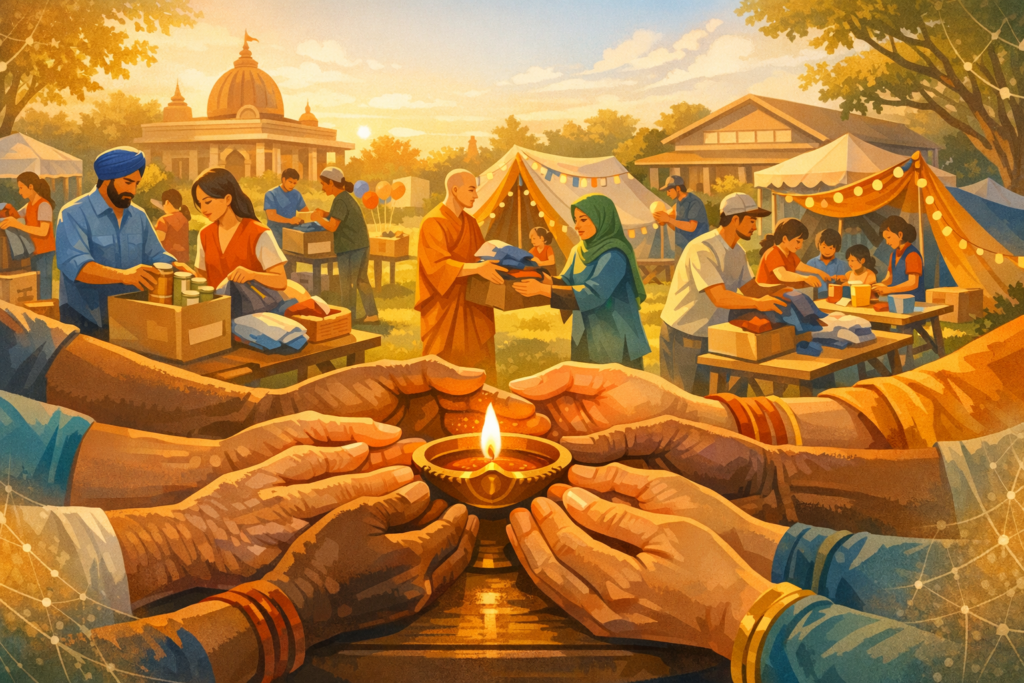
Common observances on this day include parayan (full or selected chapter readings), collective recitation, satsang, and meditative reflection on verses such as those in Chapters 2, 12, and 18. Many follow Ekadashi vrata, observe simple sattvic meals or fasting, and participate in seva and daan. Across households, the gentle cadence of the Gita’s verses often creates an atmosphere of gratitude and resolve, strengthening family bonds and encouraging mindful living.
In the spirit of unity among dharmic traditions, the values highlighted on Gita Jayanti—ethical living, non-violence, self-discipline, meditation, and service—resonate across Hinduism, Buddhism, Jainism, and Sikhism. Communities frequently host inclusive study circles and dialogues that emphasize compassion, responsibility, and harmony, fostering mutual respect and deeper understanding within a shared civilizational ethos.
Practical planning for 2025 may include confirming local temple schedules, lecture series, and community recitals on December 1. Individuals and families can set aside time for guided readings, memorize a few verses, or undertake a personal sankalpa aligned with Mokshada Ekadashi’s spirit of liberation through knowledge and right action. Those unable to attend in-person gatherings can join digital recitations and discussions coordinated by cultural and spiritual organizations worldwide.
By honoring Gita Jayanti on December 1, 2025, observers reconnect with the Gita’s enduring message: act with wisdom, cultivate inner steadiness, and serve the welfare of all. The day becomes not only a remembrance of a sacred conversation but also a living practice—one that strengthens social harmony, enriches daily ethics, and nourishes unity across the dharmic family.
Inspired by this post on Hindu Blog.