Annakut Puja, celebrated on Nutan Varsh (Gujarati New Year), occurs on Kartik Sud 1the first day of Kartik maas in the Gujarati calendar. In 2025, the observance falls on 22 October, aligning with the fourth day of the Diwali festivities. Across Gujarat, temples present a grand offering known as the “mountain of food” to the deities, marking the beginning of an auspicious new year with collective gratitude and devotion.
Literally meaning a “mountain of food,” Annakut features an expansive arrangement of satvik vegetarian preparations placed before the murtis, especially of Shri Krishna and Bhagavan Vishnu in Vaishnava and Swaminarayan traditions. The offering symbolizes abundance, stewardship of resources, and thankfulness for the year’s harvest. After darshan and aarti, the prasadam is shared, reinforcing communal bonds and the ethics of dana (generosity) and seva (service).
Within the Diwali 2025 cycle, Annakut on Kartik Sud 1 serves as a cultural and spiritual bridge between the reflective mood of Amavasya and the hopeful outlook of the new lunar fortnight. In Gujarat, it also resonates with the ethos of Govardhan remembrance, where devotion to Krishna is expressed through simple, nourishing food offerings that honor the earth’s bounty.
Temple celebrations throughout GujaratAhmedabad, Vadodara, Rajkot, Surat, Bhavnagar, Dwarka, Somnath, and many other centerstypically begin with mangala aarti, followed by darshan of the Annakut display arranged in tiers. The visual grammar of colors, grains, sweets, farsan, and seasonal preparations is both devotional and pedagogical, shaping collective memory and transmitting heritage to younger generations.
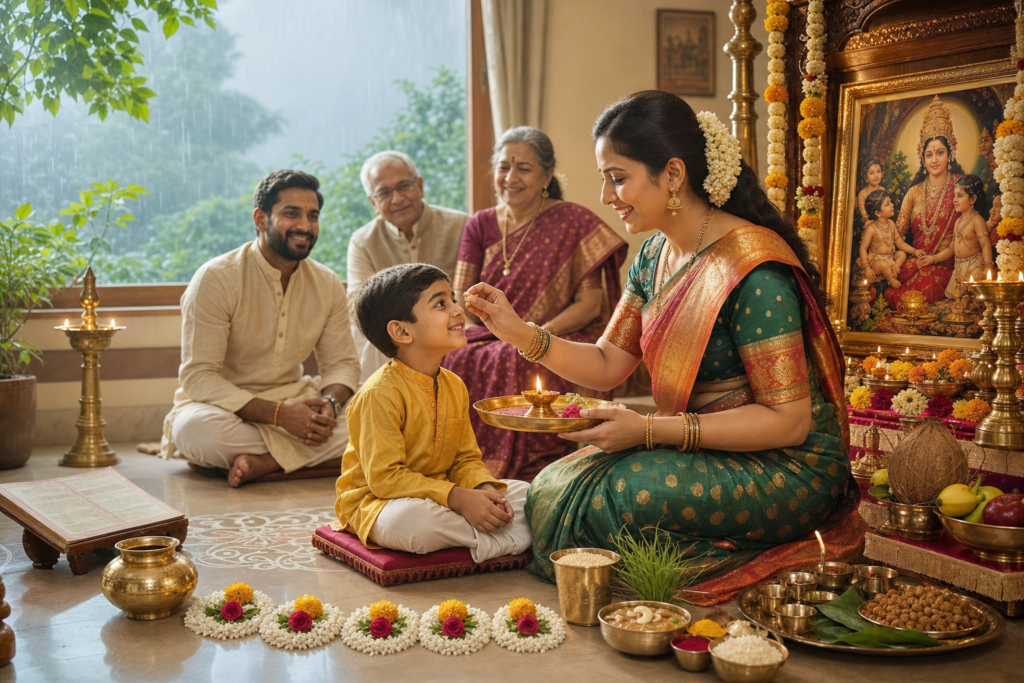
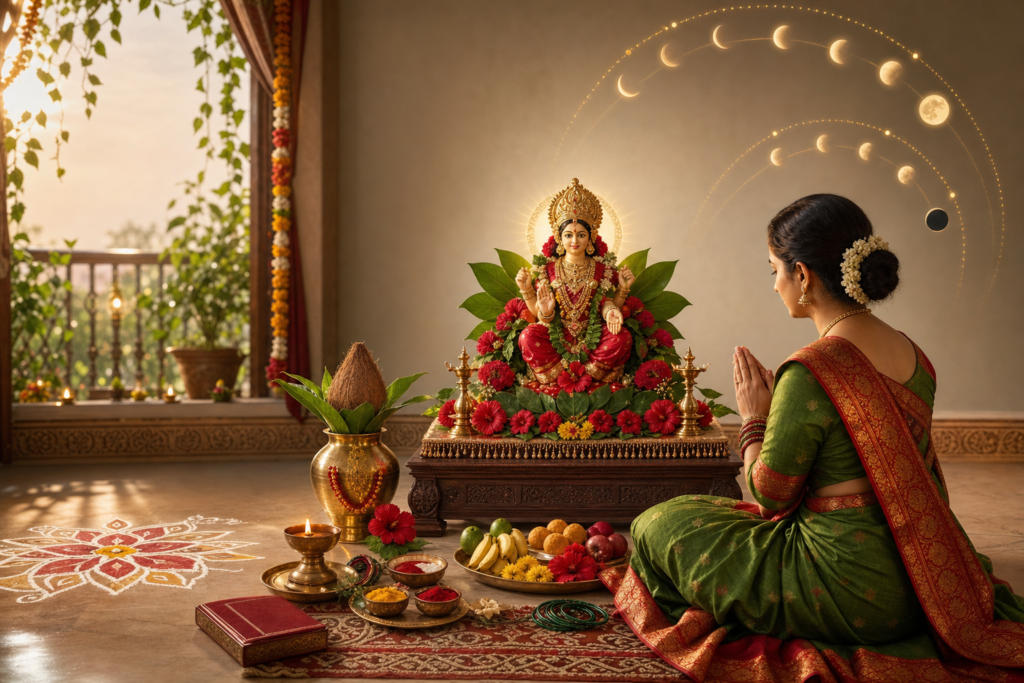
Households often complement the temple visit with simple home puja, preparing select dishes as a humble echo of the temple Annakut. Families seek blessings for wisdom, wellbeing, and righteous livelihood in the coming year, aligning daily life with the dharmic ideals of restraint, compassion, and responsibility toward community and environment.
The values embodied by Annakutgratitude, non-violence in diet, generosity, and communal sharingresonate across dharmic traditions. Jain emphasis on Ahimsa and dana, Sikh seva and langar, and Buddhist dana and mindfulness all reflect a shared civilizational vocabulary of service and interdependence. Framing Annakut within this broader dharmic unity highlights common ground and fosters inter-traditional harmony.
For 22 October 2025, visitors are advised to check local mandir schedules for aarti and darshan timings, maintain satvik norms for any offerings, and participate mindfully to minimize food waste. Many communities adopt eco-conscious practicesreusable serveware, locally sourced ingredients, and efficient prasadam distributionhonoring both tradition and environmental stewardship.
As a living cultural tradition of Gujarat, Annakut Puja on Kartik Sud 1 synthesizes devotion, community cohesion, and ethical consumption. Its continuity through temple worship and household observance sustains a rich tapestry of Hindu Festival practices while nurturing dharmic unity and shared spiritual values across the broader Indic family.
Inspired by this post on Hindu Pad.