On 14 January 2026, communities across India observe Makara Sankranti, celebrated regionally as Pongal in Tamil Nadu, Magh Bihu in Assam, and Lohri across Punjab, Haryana, and Delhi. The day also inaugurates Uttarayana Punyakalam and coincides with the sacred Makaravilakku or Makarajyothi at the Sabarimala Ayyappa Temple. Together, these observances illuminate a shared civilizational ethos rooted in gratitude, seasonal renewal, and social harmony.
Makara Sankranti marks the Sun’s transition into Makara rashi (Capricorn), indicating the commencement of the northward journey of the Sun (Uttarayana). In the dharmic worldview, this astronomical milestone symbolizes clarity, aspiration, and a turn toward light—qualities reflected in household rituals, temple offerings, and community gatherings that honor nature, labor, and learning. Many families experience this day as a moment of renewal, aligning daily life with the rhythm of the seasons.
In 2026, Makaravilakku at Sabarimala Ayyappa Temple falls on 14 January, drawing devotees who revere the Makarajyothi as a moment of deep spiritual focus. The observance occurs during the culmination of the Mandala–Makaravilakku season and is marked by prayers, austerities, and a spirit of service. The tradition underscores a core teaching shared across dharmic paths: inner discipline, compassion, and reverence for the sacred are integral to personal and collective well-being.
Across regions, the day’s cultural diversity unfolds through distinctive yet harmonious practices. In Tamil Nadu, Pongal centers on thanksgiving for the harvest, with homes preparing sweet pongal and families honoring Surya with offerings that acknowledge abundance and effort. In Assam, Magh Bihu features uruka feasts and meji bonfires, celebrating community bonds and the completion of the agrarian cycle. In Punjab, Haryana, and Delhi, Lohri brings songs, bonfires, and shared treats, expressing warmth, courage, and hope during the coldest nights of winter.
Despite regional variations, these observances reflect a unifying theme: the sanctity of life’s cycles and the ethical call to gratitude, generosity, and fellowship. Hindu, Buddhist, Jain, and Sikh families often converge around shared values on this day—respect for nature, care for community, and reverence for wisdom—affirming unity in spiritual diversity. The result is a living tapestry of faith and culture, where different paths meet in a common aspiration toward light and upliftment.
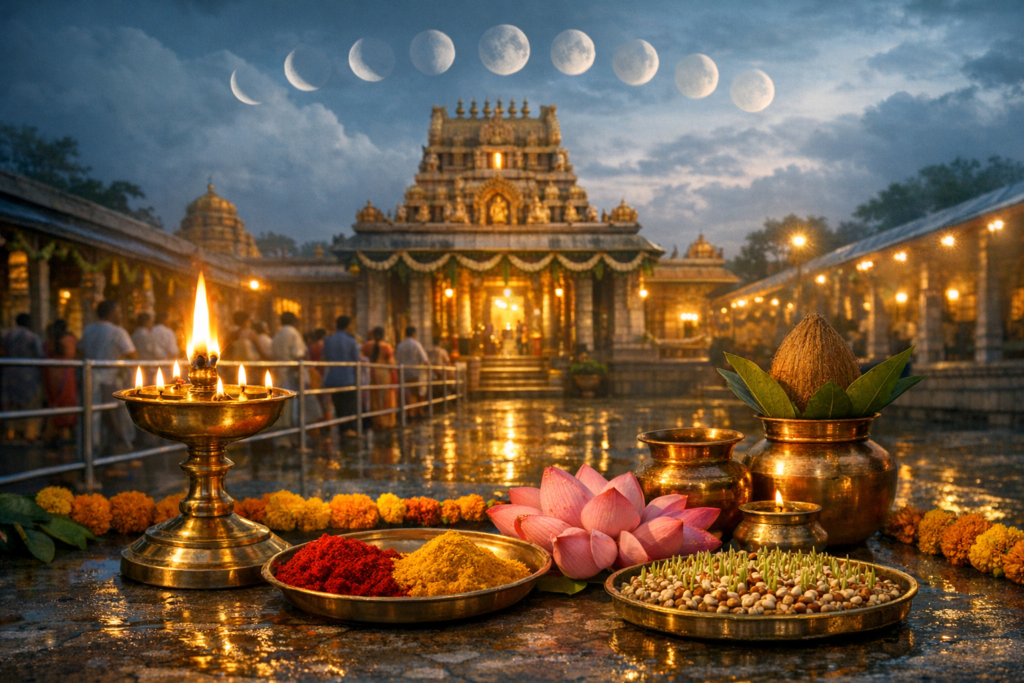
For those planning observances, 14 January 2026 serves as a clear reference point for Makara Sankranti 2026, Pongal 2026 dates, Magh Bihu, Lohri, and Makaravilakku 2026. Simple practices—such as early-morning prayers, offerings of freshly prepared food, charitable donations, and family gatherings around bonfires—can deepen the day’s meaning. Whether expressed through temple worship, home rituals, or community celebrations, the spirit of Uttarayana Punyakalam encourages steady intention, ethical action, and social unity.
In essence, the convergence of Makara Sankranti, Pongal, Magh Bihu, Lohri, and Makaravilakku on 14 January 2026 offers a compelling reminder: India’s cultural traditions thrive when diversity is honored and shared values are foregrounded. As the Sun enters Makara rashi, households and communities reaffirm commitments to learning, labor, and love—timeless principles that strengthen both personal resolve and collective harmony.
Inspired by this post on Hindu Pad.