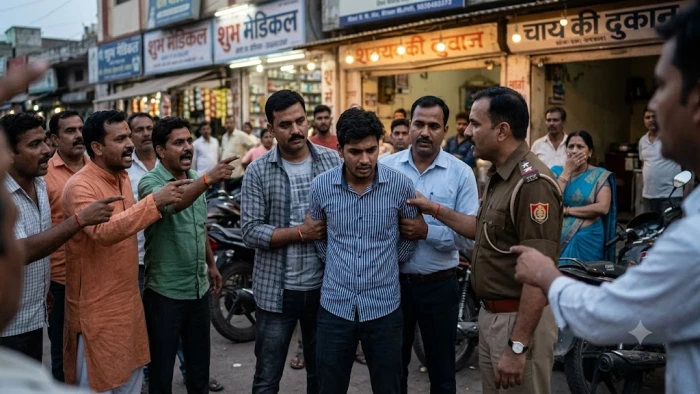
Chhatrapati Sambhajinagar in Maharashtra witnessed heightened tensions on October 9, 2025, following reports of an assault on gorakshaks (cow protection volunteers). In response, several Hindutva groups organised a demonstration and a rasta roko, bringing focused public attention to concerns about law and order and the broader ethics of cow protection.
Public demonstrations of this nature are not only a barometer of civic sentiment but also a reminder of the need for measured, law-abiding engagement. While traffic disruptions and commuter inconvenience were reported, the central demand remained clear: a transparent investigation, accountability for any unlawful assault, and reassurance that constitutional protections apply equally to all parties.
Community voices reflected a blend of concern and restraint. Shopkeepers, commuters, and residents expressed empathy for those harmed while emphasising that justice must proceed through due process. Many stressed that the protection of animals, grounded in principles of ahimsa, resonates across dharmic traditionsHinduism, Buddhism, Jainism, and Sikhismwhere compassion and non-violence are foundational values.
In moments of local unrest, interfaith and intrafaith dialogue can serve as a stabilising force. Structured community conversations, facilitated by civil society and elders, help defuse tensions, counter misinformation, and uphold Social harmony. Such approaches align with India’s constitutional ethos and the shared moral frameworks of its diverse dharmic communities.
A rule-of-law response remains essential. Authorities can reinforce public trust by ensuring timely FIRs, impartial investigation, and clear communication on case progress. Simultaneously, community leaders can support peacebuilding through neighborhood mediation cells, collaboration with law enforcement, and vigilance against any attempts to politicise or communalise the issue.
Constructive, long-term measures include humane cattle welfare protocols, strengthened enforcement against smuggling and cruelty, and public awareness about legal avenues for reporting suspected offenses. These steps prioritise both legal compliance and compassion, creating a framework where civic duty and animal care co-exist without confrontation.
Ultimately, the path forward lies in affirming a unity-first approach: uphold dignity for all, insist on lawful resolution, and champion dialogue over discord. By rooting responses in ahimsa, accountability, and community cohesion, Chhatrapati Sambhajinagarand Maharashtra at largecan convert a moment of strain into an opportunity for durable peace and ethical civic engagement.
Inspired by this post on Struggle for Hindu Existence.