An arresting episode from the late Delhi Sultanate illuminates both the rigors of medieval statecraft and the endurance of India’s dharmic traditions. The reign of Firuz Shah Tughlaq, successor to Muhammad Bin Tughlaq, unfolded amid political fragmentation, recurrent court intrigues, and campaigns that struggled to secure decisive outcomes. Within this climate, religious policy became a principal instrument of governance, leaving a complex historical legacy that continues to invite careful examination.
Contemporary and near-contemporary sources describe Firuz Shah as enforcing a strict construction of Sharia across his dominions. His own memoirs record that he “converted a large number of infidels to Sunni Islam by enticing them with exemption from Jizya and lavishing them with expensive presents upon conversion,” and that he “enforced perfect Sharia in his dominions.” These statements, read alongside administrative measures such as the expansion of Jizya, provide evidence for a policy architecture that significantly constrained non-conforming religious practices and communities.
Among the key witnesses to this period is Shams-i Siraj Afif, whose Tarikh-i Firoz Shahi provides granular detail on courtly affairs, social regulation, and religious enforcement. The work, compact yet dense, has been valued by historians for its meticulous documentation, even as its narrative sympathies reflect the ideological standpoint of its milieu. John Dowson aptly observed that Afif, though not read for stylistic flair, remains valuable “as a recorder of facts and details.”
Afif’s chronicle lauds Firuz Shah’s piety and catalogues edicts that restricted practices deemed un-Islamic, including music, painting, and transactions viewed as inconsistent with “pure” tenets. Two chapters“Where the Sultan excelled all his predecessors” and “Suppression of unlawful practices”stand out for their clarity in outlining the ideological goals of the regime. At the same time, they unwittingly reveal the social strain placed on Hindu society in medieval India, while also highlighting instances of remarkable civil courage and religious steadfastness among ordinary people.
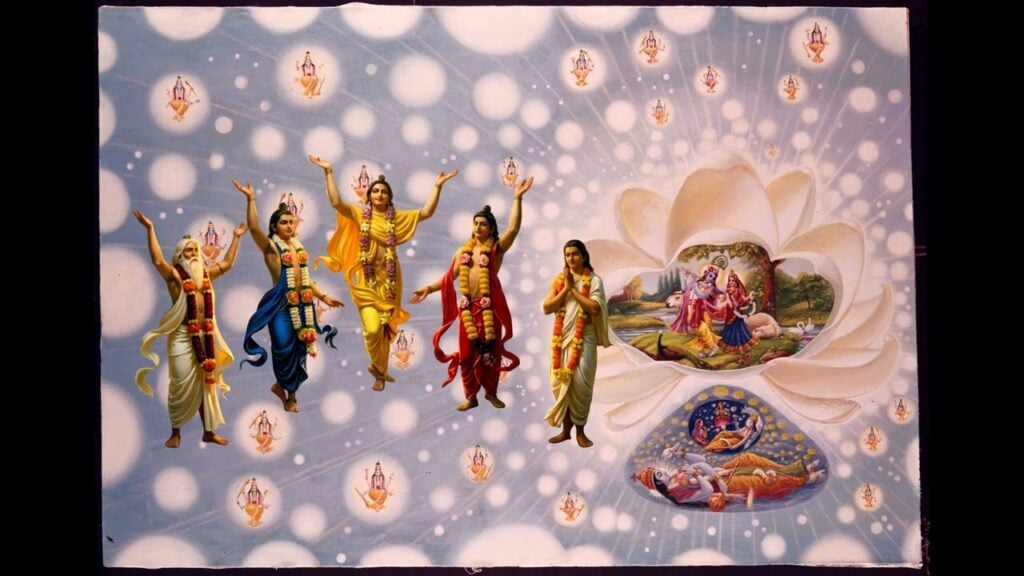
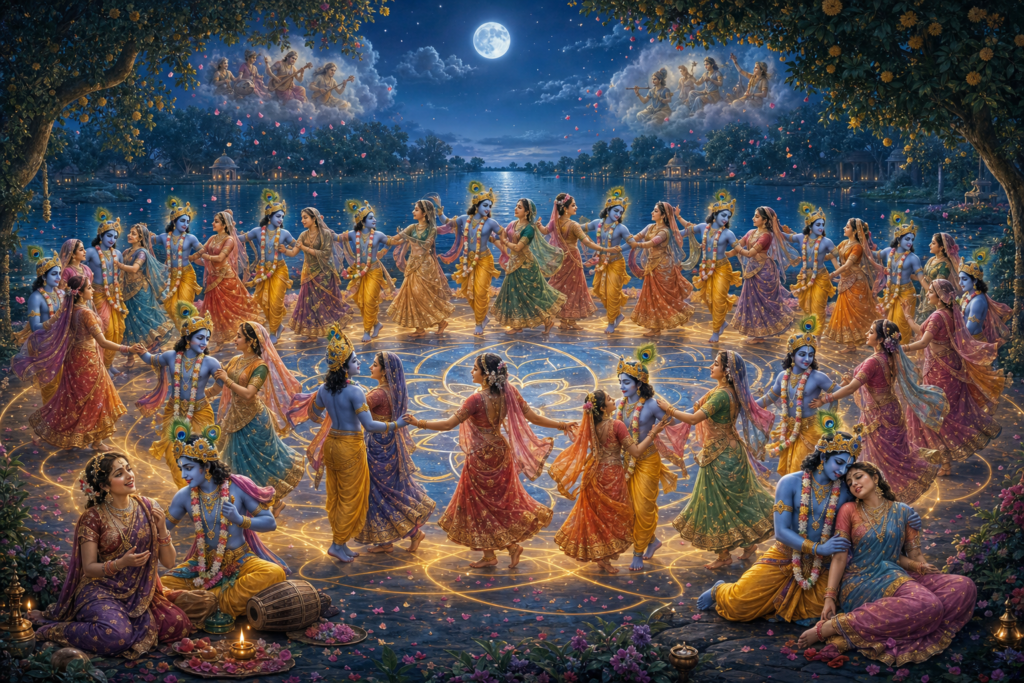
One such instance centers on an unnamed, elderly Brahmana in Delhi whom Afif refers to as Zunaar Daar“one who wears the Sacred Thread.” This figure maintained a wooden tablet painted with Hindu Devis and Devatas and performed Puja on set days in his home. Over time, his reputation for piety drew both Hindus and Muslims, turning the private ritual into a community event that, for years, reportedly escaped the notice of the authorities.
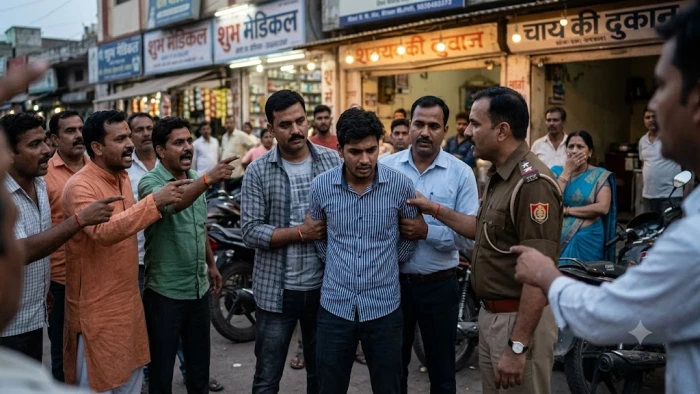
The gathering eventually drew official attention when, as Afif reports, “this Brahman had perverted Muhammadan women, and had led them to become infidels.” The allegation precipitated swift action. The Brahmana, along with his tablet, was arrested and brought before the Sultan at Firozabad, where a formal consultation with the UlemaFaqihs, Hakims, and Qaziswas convened.
Afif’s account records the legal verdict in unambiguous terms: “the provisions of the Sharia were clear: the Brahman must either become a Musulman or be burned. The true faith [Islam] was declared to the Brahman, and the right course pointed out to him.” He refused to renounce his faith. The sentence was carried out at the entrance to the court, where a pyre was prepared and the wooden tablet placed upon him.
Afif’s eyewitness testimony preserves the stark scene: “The writer of this book was present at the darbar and witnessed the execution. The tablet of the Brahman was lighted in two places, at his head and at his feet; the wood was dry, and the fire first reached his feet, and drew from him a cry, but the flames quickly enveloped his head and consumed him.” The episode stands as a sober reminder of the human cost borne by communities committed to their traditions amid coercive regimes.
Read in the broader frame of medieval India, this episode illustrates both the reach of the Delhi Sultanate’s religious governance and the resilience of dharmic life. For contemporary readers, it offers a lens to think with empathy about freedom of conscience and the cultural continuity that links Hinduism, Buddhism, Jainism, and Sikhism. The unnamed Brahmana’s steadfastness can be understood as part of a larger dharmic ethos: to preserve one’s spiritual obligations without denigrating others, and to face coercion with dignity and inner strength.
Sites such as Firoz Shah Kotla, when approached through careful historiography, provide opportunities for reflection and responsible remembrance. Rather than inflaming present-day divisions, this history can be engaged to deepen understanding of India’s plural civilizational heritage, to honor lives lost to intolerance, and to reaffirm a shared commitment to interfaith respect and unity among dharmic traditions.
Ultimately, the chronicle preserved by Shams-i Siraj Afif is not merely a record of punitive state policy; it is also a testimony to moral courage. By studying such sources with academic rigor and compassion, readers gain historical insight and a constructive path forward: strengthening dharmic solidarity, safeguarding the freedom to worship, and cultivating harmony across communities today.
Inspired by this post on Dharma Dispatch.