Communal tensions were reported in Gariaband district, Chhattisgarh, on 3 February 2026, following disagreements over a proposed Namaz site. According to local accounts, several individuals sustained injuries and a number of homes were damaged before authorities restored order. The incident has prompted calls across communities for restraint, fact-based reporting, and a thorough inquiry into the immediate and underlying causes.
Preliminary information indicates that the dispute centered on the establishment of a new Namaz space and disagreements about process, consent, and location. Residents from multiple faiths expressed concerns about due consultation, while simultaneously emphasizing that peaceful resolution and lawful procedures must guide decisions affecting shared civic spaces. The situation underscores how questions about religious infrastructure can become flashpoints without transparent dialogue and community participation.
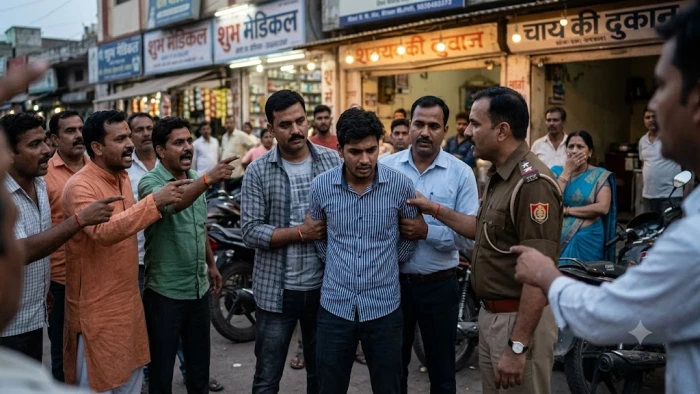
Local residents described moments of fear as tensions escalated, noting reports of stone-throwing and damage to property. In response, community elders and civil society voicesincluding members of Hindu, Muslim, Buddhist, Jain, and Sikh traditionsappealed for calm, urging neighbors to prioritize safety, dignity, and compassion over confrontation. These appeals reflect a long-standing ethos in the region that values coexistence, social order, and respect for diverse forms of worship.
Law enforcement personnel were deployed to stabilize the area and initiate an investigation. District officials have reportedly engaged stakeholders to assess damage, document injuries, and verify competing claims. Such a processgrounded in evidence, due process, and timely communicationremains essential to prevent rumor-driven escalation and to support affected households.
Historically, Chhattisgarh has seen robust interfaith interactions shaped by shared markets, schools, and neighborhoods. Global and national experience suggests that issues around prayer sites are best addressed through inclusive planning: early consultation with residents, clear legal compliance, environmental and traffic assessments, and conflict-sensitive timing of announcements. When communities agree on dispute-resolution procedures in advance, flashpoints are less likely to become crises.
Practical de-escalation steps can help rebuild trust in Gariaband: joint peace committees, interfaith dialogues, and neighborhood-level mediation led by respected local figures. Dharmic values offer a unifying compassahimsa (non-violence), karuṇā (compassion), maitri (friendliness), and sevā (service)all of which encourage reconciliation, restorative dialogue, and shared responsibility for the common good. Such frameworks align with constitutional rights and the everyday need for safety and dignity across communities.
Given the prominence of social media in shaping perceptions, residents are encouraged to verify images, videos, and claims through credible, independent sources. Misinformation can inflame emotions, distort accountability, and overshadow the needs of injured individuals and affected families. Responsible communicationespecially during fast-moving eventssupports lawful resolution and helps authorities focus on relief and justice.
Going forward, an inclusive community consultation on the proposed Namaz site, with clear timelines and documentation, can set a constructive precedent. Transparent criteria that apply equally to all religious facilitiesHindu, Buddhist, Jain, Sikh, and Muslimcan strengthen civic trust and reduce future friction. When communities build and safeguard spaces together, shared ownership replaces zero-sum thinking.
The incident in Gariaband is a reminder that plural societies thrive when rights, responsibilities, and respect move in tandem. Ensuring medical support for the injured, assessing property damage, and facilitating lawful remedies should proceed alongside dialogue. With calm, fairness, and interfaith cooperation, Gariaband can turn a moment of strain into a durable commitment to harmony.
Inspired by this post on Struggle for Hindu Existence.