

Pakistan is facing a complex set of political and economic challenges in 2023, which bear some striking similarities to the situation the country faced in 1971. In both cases, the popular electoral choice has been kept out of power, bad economic markers such as GDP and inflation have been on the rise, and regional identity and separatism have emerged as potent forces. Moreover, both periods have seen the rise of powerful political families, including the Bhuttos, who have played a central role in shaping the country’s destiny.
However, the army have responded to separatist movements in a more calibrated manner which could potentially mitigate some of the challenges that Pakistan faces, even as they pose new ones.
This article aims to explore the eerie similarities between 2023 and 1971, as well as the differences between the two eras. We will analyze the implications of these similarities and differences for Pakistan’s future, and provide a nuanced assessment of the country’s outlook.
Similarities between 1971 and the present day
Pakistan has a long history of political turmoil, and the situation in 2023 bears some striking similarities to the events leading up to the Bangladesh Liberation War in 1971. One of the key similarities is the fact that people’s choice is being kept out of power, with the military and other power brokers controlling the political landscape.
People’s choice being kept out of power

In 1971, the Awami League won a landslide victory in Pakistan’s general election, but the military refused to recognize the results and cracked down on the pro-independence movement in East Pakistan. Similarly, in the present day, many Pakistanis feel that their voices are being silenced by the military establishment, which has a history of meddling in politics and suppressing dissent.
This situation has led to growing frustration and resentment among the public, as people feel that their votes do not count and that they have no real say in how their country is run. If this trend continues, it could lead to widespread protests and unrest, as we have already seen in parts of the country.
Bad economic markers like GDP and inflation

Another major similarity between 1971 and the present day is the poor state of the Pakistani economy. In 1971, the country was facing a number of economic challenges, including high inflation and a low GDP growth rate, which contributed to the growing unrest in East Pakistan.
Similarly, in 2023, Pakistan is facing a number of economic challenges that are putting a strain on the country’s resources and exacerbating social tensions. Inflation is high, with prices for basic goods and services rising rapidly, and the GDP growth rate is low, reflecting a lack of investment and economic growth.
These economic challenges are compounded by other factors, such as political instability, corruption, and a lack of transparency in government. If left unchecked, they could contribute to further unrest and instability in the country, which would have serious implications for Pakistan’s future.
Regional identity and separatism
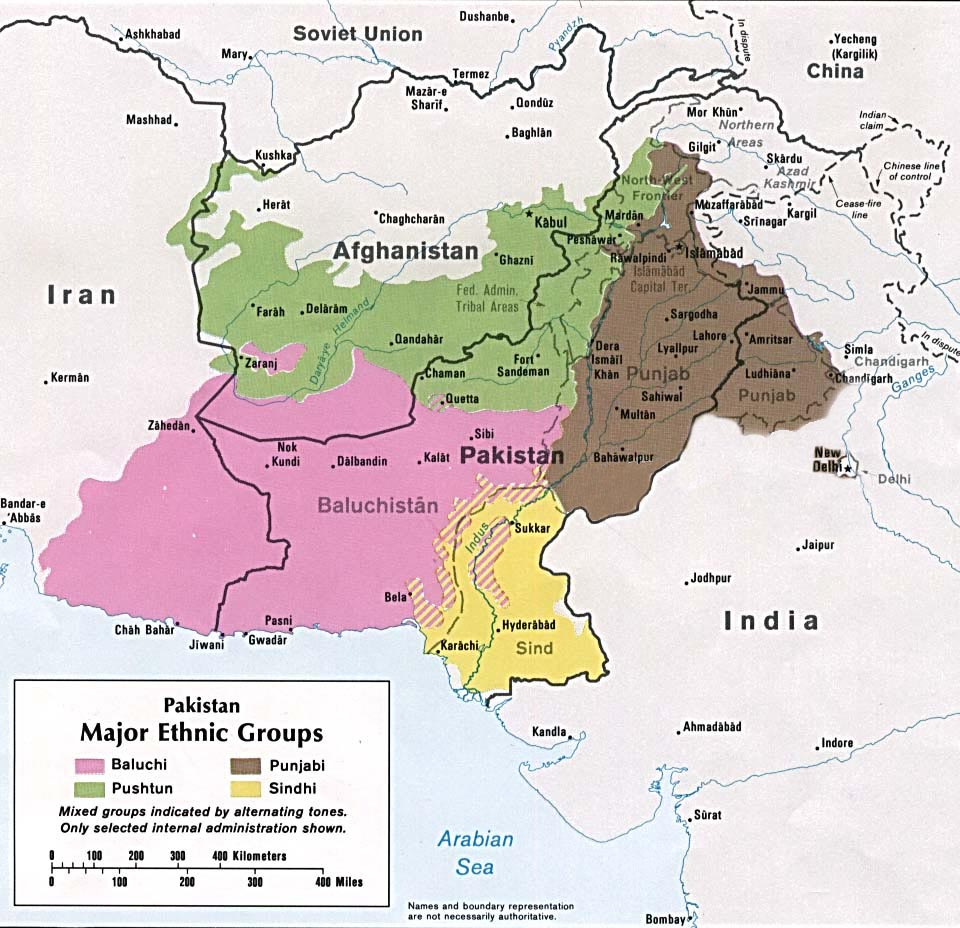
Another significant similarity between 1971 and the present day is the prevalence of regional identity and separatist movements in Pakistan. In 1971, the East Pakistanis felt neglected and oppressed by the West Pakistani elites, which led to the creation of Bangladesh.
There are several separatist movements ongoing in Pakistan at present, including movements in Balochistan, Sindh, and Khyber Pakhtunkhwa. Balochistan is the largest and most active separatist movement, with various militant groups operating in the region. The Sindhi separatist movement, which seeks to establish an independent Sindhudesh state, has gained momentum in recent years. The Pashtun Tahafuz Movement (PTM), which represents the Pashtun ethnic minority in Pakistan, has also been advocating for greater political and human rights for the Pashtuns and has called for the demilitarization of the region.
Today, Sindhudesh and Balochistan separatist movements pose a threat to Pakistan’s territorial integrity. These movements argue that the central government has not given them a fair share of resources and economic opportunities, and that they are culturally and linguistically distinct from the majority Punjabi population in Pakistan.
Balochistan Liberation Movement
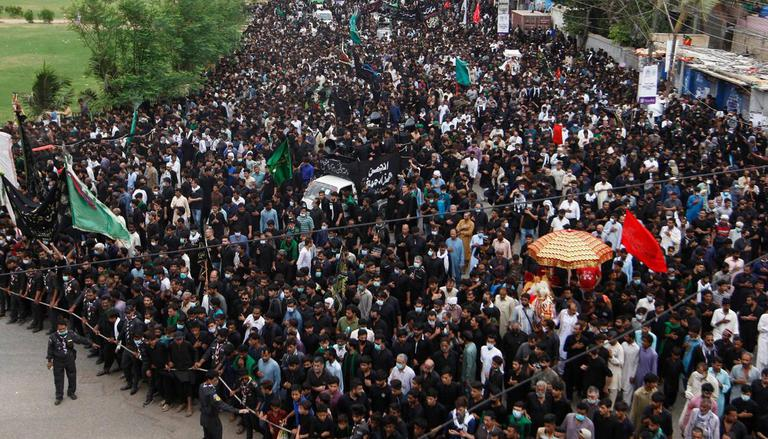
The Balochistan separatist movement has been ongoing for several decades and is one of the most serious separatist movements in Pakistan. The province has been plagued by a long-standing insurgency, which has resulted in the deaths of thousands of people. The Balochistan Liberation Army (BLA), one of the main separatist groups, has been designated as a terrorist organization by Pakistan and several other countries. The BLA has been responsible for numerous attacks on Pakistani security forces and civilians.
In recent news, the Balochistan separatist movement has gained renewed attention due to the increasing violence in the province. There have been reports of targeted killings of ethnic Pashtuns and Baloch people, as well as attacks on Chinese workers and projects in the region. The Pakistani government has responded with increased security operations in the province, but these have been criticized for human rights violations, including forced disappearances and extrajudicial killings. The Baloch separatist movement remains a major challenge for the Pakistani government, and a resolution to the conflict is still elusive.
Sindhudesh Freedom movement
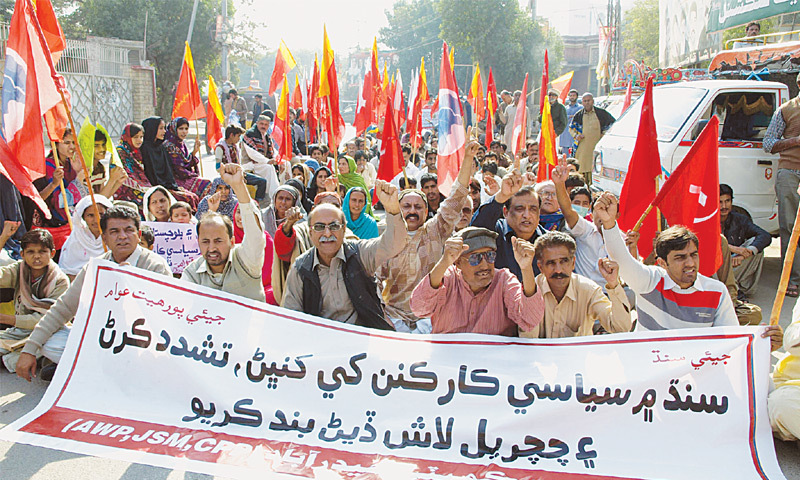
The Sindhudesh movement is a separatist movement in the Sindh province of Pakistan, which seeks the creation of an independent state for the Sindhi people. In recent news reports, the movement has gained some momentum and attention, with a number of protests and rallies being held in support of the cause.
One of the main grievances of the Sindhudesh movement is the perceived marginalization and exploitation of the Sindhi people by the Pakistani state, particularly with regards to the exploitation of natural resources in the region. Supporters of the movement have also called for greater autonomy and control over the affairs of the province, which they believe has been neglected by the central government.
It remains a source of concern for the Pakistani government, which has taken measures to crack down on the movement and suppress any attempts at secession. The movement also remains a source of tension and division within the Sindh province, with some supporting the call for independence, while others remain loyal to the Pakistani state.
Pashtun Movement

There have been sporadic incidents of violence and unrest related to the province’s Pashtun population’s grievances against the Pakistani state. The Pashtun Tahafuz Movement (PTM) emerged in 2018 and demanded an end to alleged military abuses and enforced disappearances in the region. While the government has made some concessions, such as the establishment of a judicial commission to investigate the PTM’s complaints, the group continues to hold protests and rallies.
Some analysts have noted that the PTM’s demands for greater political representation and autonomy for Pashtuns has lead to a potential separatist movement in the present as it has not been addressed properly by the government.
Separatist movements in Pakistan Occupied Jammu & Kashmir (PoJK)
Pakistan Occupied Jammu & Kashmir, which includes the regions of Azad Kashmir and Gilgit-Baltistan, has been the site of various separatist movements for several years. The people of the region have long felt that their voices are not being heard by the Pakistani government, and that they are being denied their basic rights and freedoms.
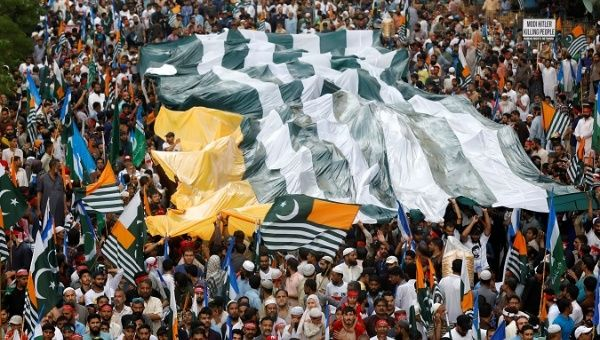
In Azad Kashmir, there is a growing movement for independence, with many people calling for a referendum on self-determination. They argue that Pakistan’s presence in the region is illegitimate and that the people of Azad Kashmir should have the right to decide their own future. There have been several protests and demonstrations in the region in recent years, with some turning violent.

Similarly, in Gilgit-Baltistan, there is a movement for greater autonomy and independence. Many people in the region feel that they have been marginalized by the Pakistani government and that they are not receiving the resources and support they need. There have also been protests and demonstrations in the region, with some calling for independence from Pakistan.
The separatist movements in PoJK are complex and multifaceted, with different groups and individuals advocating for different solutions to the problems they face. Some are calling for complete independence, some for greater autonomy in Pakistan and some even proposing a union with India. There are also concerns about the potential for violence and conflict in the region, as well as the impact of these movements on the broader geopolitical situation in South Asia.
The role of the Bhuttos

Another similarity between 1971 and the present day is the prominent role that the Bhutto family has played in Pakistani politics. Zulfikar Ali Bhutto was a charismatic leader who rose to power in 1971, but his policies led to the disintegration of Pakistan. Similarly, his daughter Benazir Bhutto became prime minister twice, but her tenures were marred by allegations of corruption and nepotism. Now, her son Bilawal Bhutto Zardari is the chairman of the Pakistan People’s Party (PPP) and a major political force in Pakistan. Like his predecessors, Bilawal has been accused of using his family’s political legacy to further his own political ambitions.
Natural disasters affecting the country
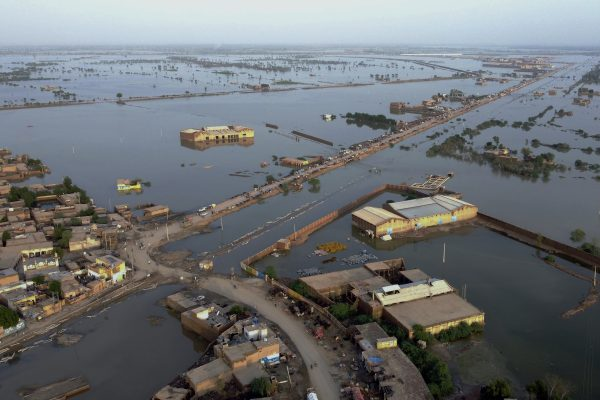
Pakistan has also experienced several natural disasters that have had significant economic and social consequences. In 1970, a cyclone and subsequent flooding killed around 300,000 people in East Pakistan. This disaster was a contributing factor to the civil war and the eventual independence of Bangladesh. Similarly, in recent years, Pakistan has faced devastating floods, earthquakes, and droughts, which have led to loss of life, displacement, and damage to infrastructure. For instance, the 2022 floods in Sindh province affected over a million people and caused billions of dollars in damages.
These natural disasters have exacerbated Pakistan’s already fragile economic situation and strained its resources. Moreover, they have highlighted the government’s inadequate response to crises and raised questions about its ability to govern effectively.
Differences between 1971 and the present day
Army’s response to separatist movements
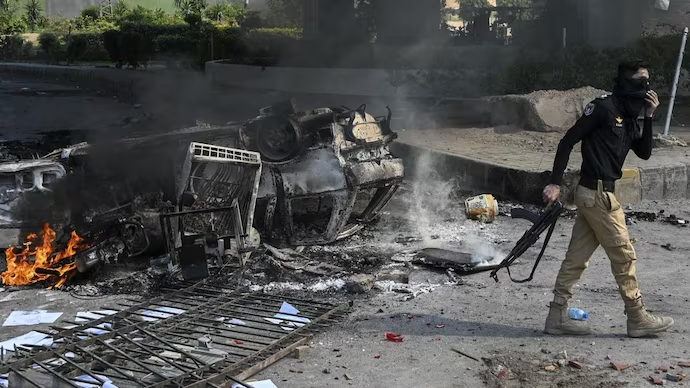
Unlike in 1971, the Pakistani army and government have taken a more aggressive stance towards separatist movements in the present day. The army has launched military operations in Balochistan, Khyber Pakhtunkhwa, and Gilgit-Baltistan to quell the insurgencies, whereas in 1971, the army was mainly focused on fighting the war with India.
Changes in the international political and economic landscape
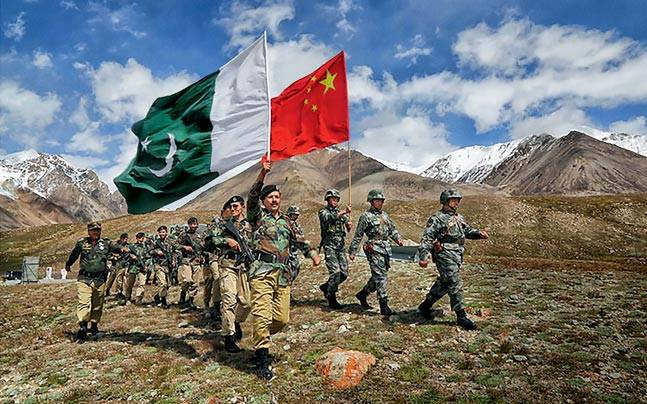
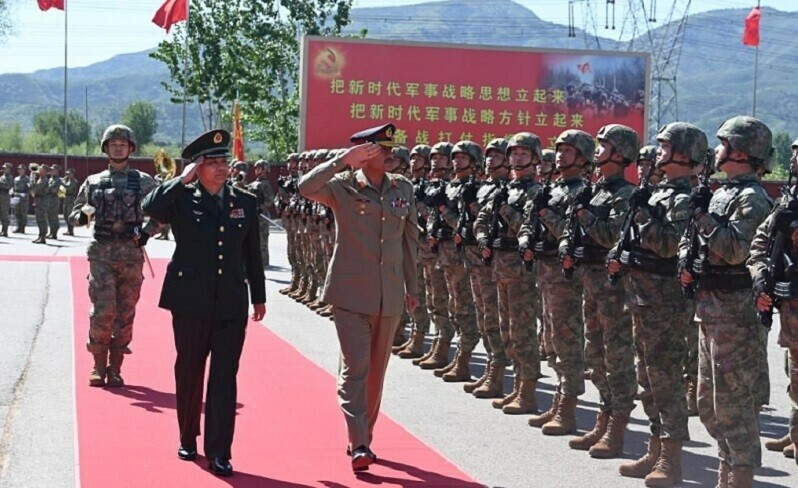
The international political and economic landscape has changed significantly since 1971. Pakistan is no longer a Cold War ally of the United States, and China has emerged as a major player in the region. This has led to a shift in Pakistan’s foreign policy priorities and alliances.
The absence of a refugee crisis

In 1971, the Indo-Pakistani War led to a massive refugee crisis, with millions of Bengalis fleeing to India to escape the violence. However, in the present day, there has not been a similar refugee crisis in Pakistan.
How the similarities with 1971 could lead to potential problems

The similarities between 1971 and the present day, such as the economic challenges, separatist movements, and natural disasters, could lead to potential problems for Pakistan in the future. If not addressed properly, these issues could lead to further instability and unrest in the country.
- Political instability: The exclusion of people’s choice from power and the role of the Bhuttos in Pakistani politics could lead to political instability. This could further fuel regional identity and separatist movements, as well as increase the influence of the military in the political process.
- Economic challenges: The poor economic indicators, such as high inflation and low GDP growth, could worsen the economic situation in the country. This could lead to a rise in unemployment and poverty, which could exacerbate social tensions and fuel further unrest.
- Natural disasters: Pakistan is prone to natural disasters, such as floods, earthquakes, and droughts. These disasters could cause massive displacement, loss of life, and damage to infrastructure, leading to significant economic and social challenges.
- Security concerns: The presence of separatist movements and their potential to turn violent, combined with the threat of terrorism, could pose significant security challenges for Pakistan. The country’s security forces would need to be prepared to tackle these challenges effectively, which could further strain the resources of an already struggling economy.
Overall, the combination of these factors could lead to a significant crisis for Pakistan in the future, with implications not only for its own stability but also for the wider region. It is important for the country’s leaders to address these challenges proactively to ensure a stable and prosperous future for Pakistan.
Conclusion
Pakistan today faces several challenges that are reminiscent of those that existed in the years leading up to the events of 1971. While there are also differences, such as changes in the international political and economic landscape and the absence of a refugee crisis, the similarities in terms of political exclusion, economic difficulties, and separatist movements cannot be ignored. The future of Pakistan depends heavily on how these issues are addressed by the government and, more importantly, the Pakistani army. The military’s history of intervention in politics and its role in suppressing dissent and separatism raises concerns about the potential for further authoritarianism and instability. It is crucial that the government and army take a long-term view of the country’s development and prioritize the needs and aspirations of all its citizens, regardless of their region or ethnicity, to ensure a stable and prosperous future for Pakistan.
Overall, there are several similarities between the political and economic situation in Pakistan in 1971 and the present day, including the challenges of separatism, economic instability, and natural disasters. However, there are also notable differences, such as changes in the international political and economic landscape and the more aggressive response of the army and government towards separatist movements.
The implications of these similarities and differences for Pakistan’s future are complex and multifaceted. While the country faces several challenges, there are also potential solutions and mitigating factors that could help address these issues. Ultimately, the future of Pakistan will depend on the country’s ability to navigate these challenges and capitalize on its strengths.