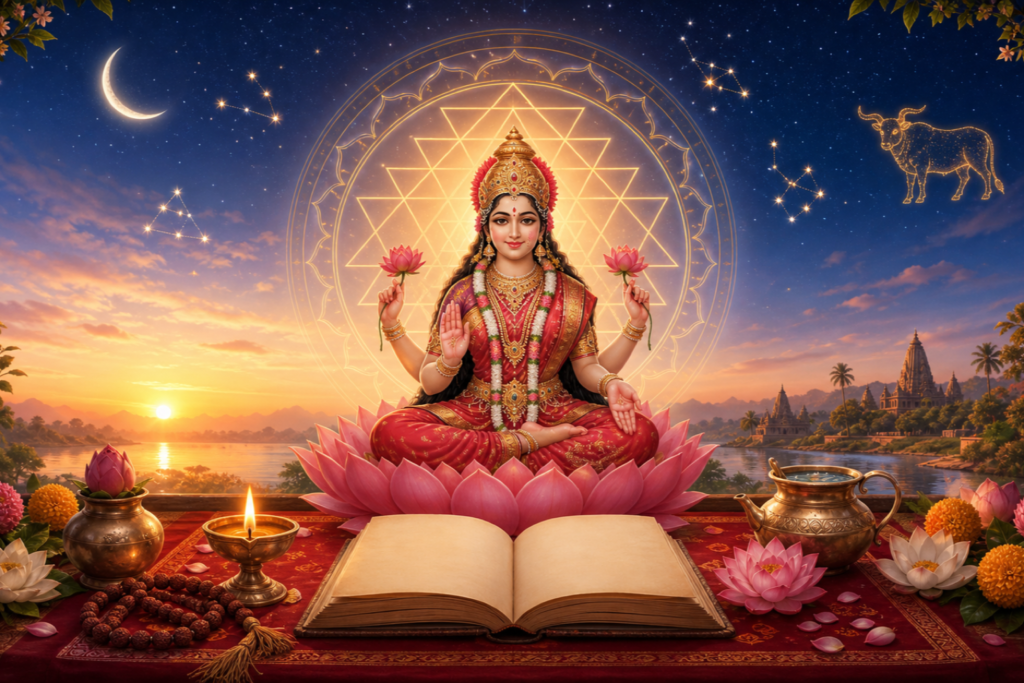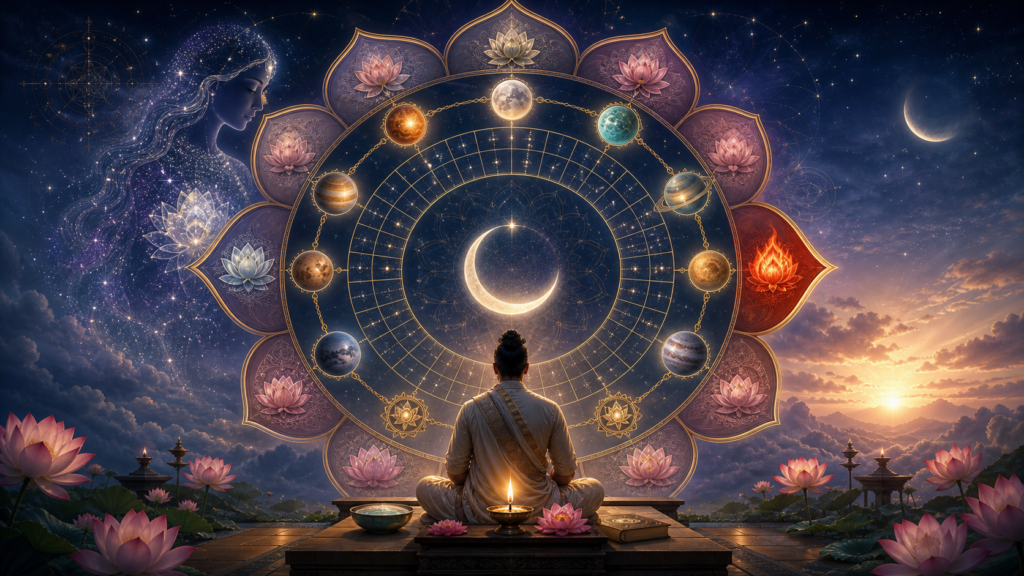
Thiruvathirai, known in Sanskrit as Ardra, is revered as one of the 27 star goddesses (nakshatras). In Hindu tradition, the nakshatras are personified as the consorts of Lord Chandra Bhagavan. Thiruvathirai is poetically situated in the distant celestial sphere, and its appearance in the night sky is woven into both Hindu astronomy and spirituality.
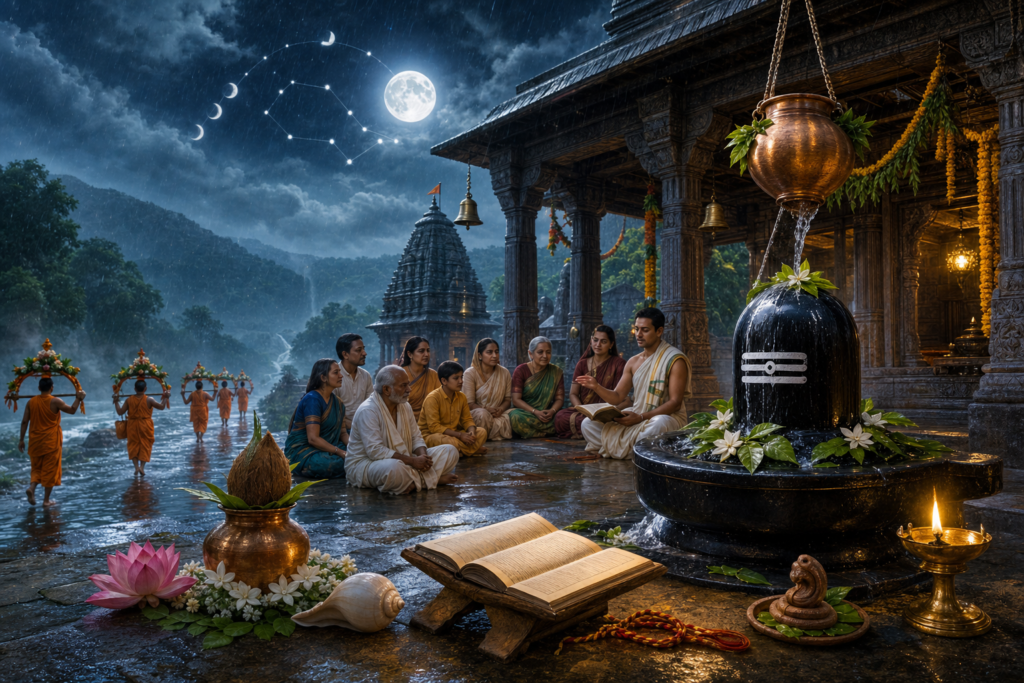
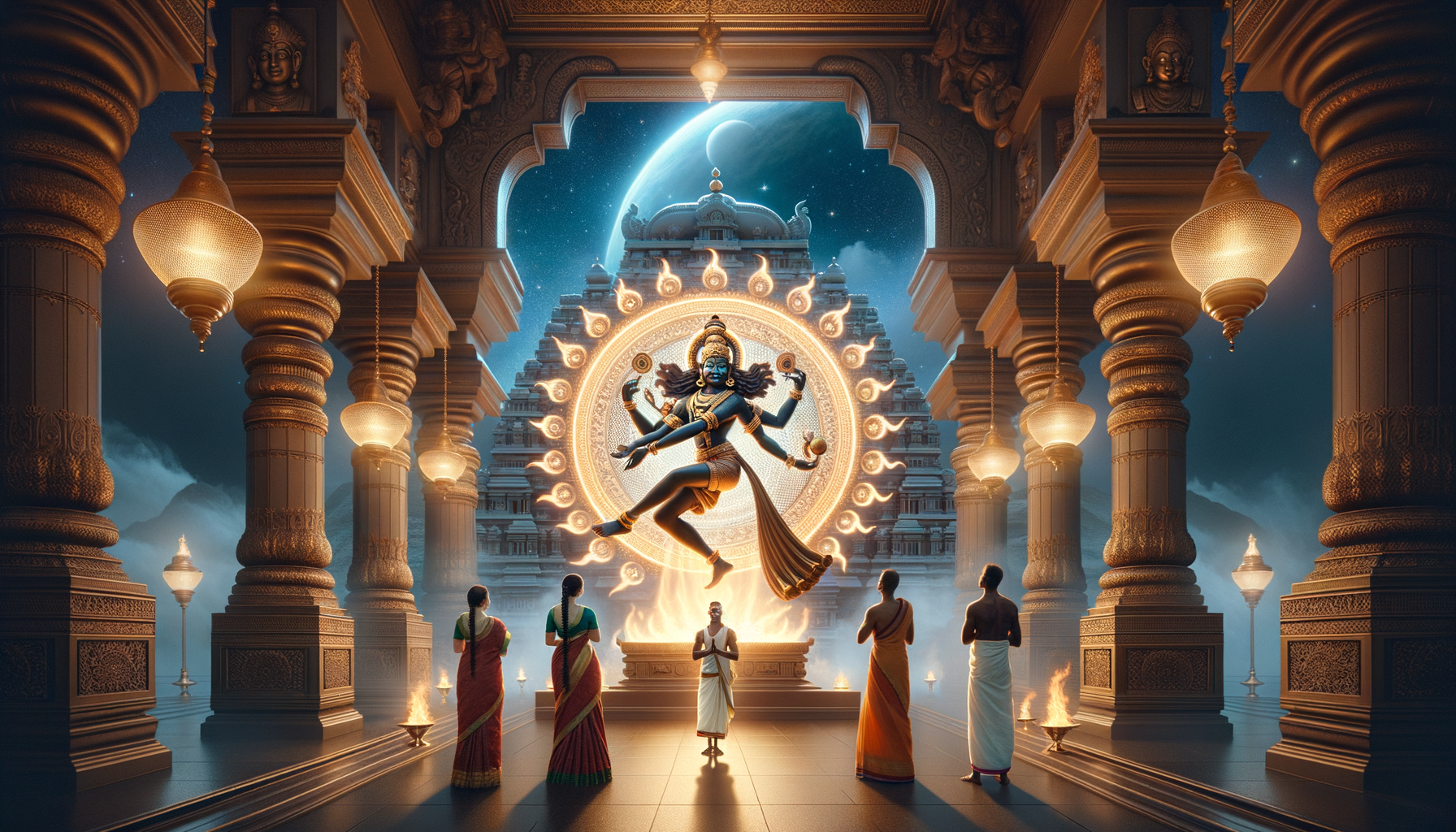
The Thiruvadirai festival is observed during the Tamil month of Margazhi (mid-December to mid-January) when the Ardra (Thiruvathirai) Nakshatra rises. On this auspicious day, devotees throng renowned Shiva kshetras, particularly Chidambaram Nataraja Temple and Thiruvalangadu Shiva Temple, to honor Lord Shiva as Nataraja, the Cosmic Dancer. In many regions, the celebration is also known as Arudra Darshan, signifying the sacred sight of Nataraja’s dance that symbolizes creation, preservation, and dissolution.
Temple worship on Thiruvadirai typically includes early-morning abhishekam, deepa aradhana, and recitation of hymns, with the Thiruvempavai traditions of Margazhi holding special resonance in Tamil Nadu. Devotees often describe the Margazhi dawn as serenethe cool air, the sound of bells, and the fragrance of vilva leaves and camphor creating an atmosphere of inner quietude and collective devotion. The experiential dimension is central: the vision of Nataraja evokes humility, gratitude, and a renewed commitment to dharma.
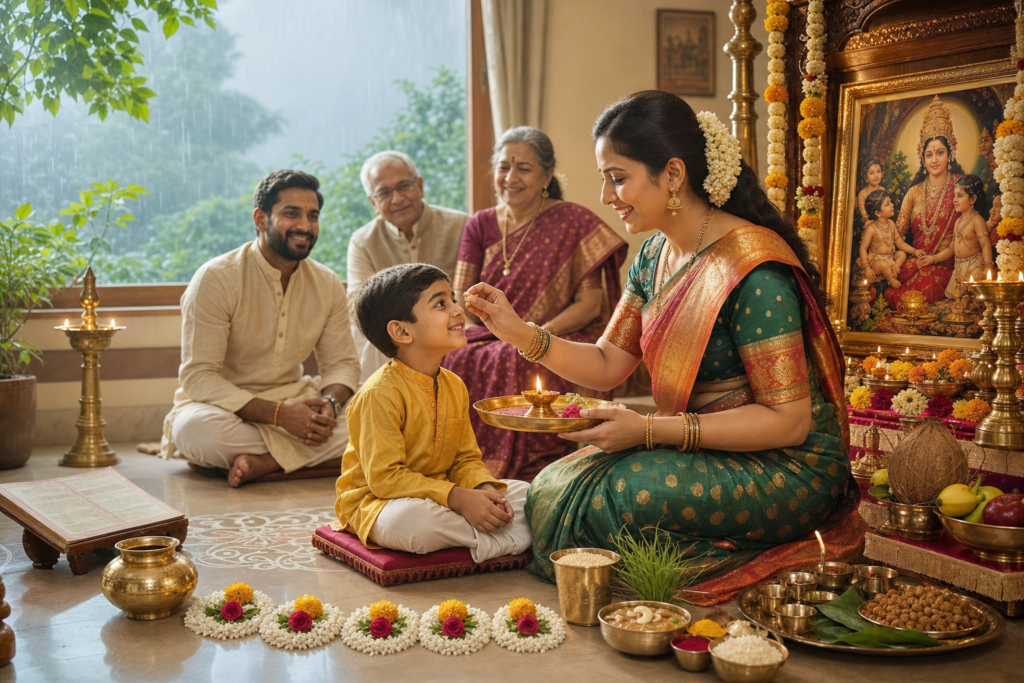
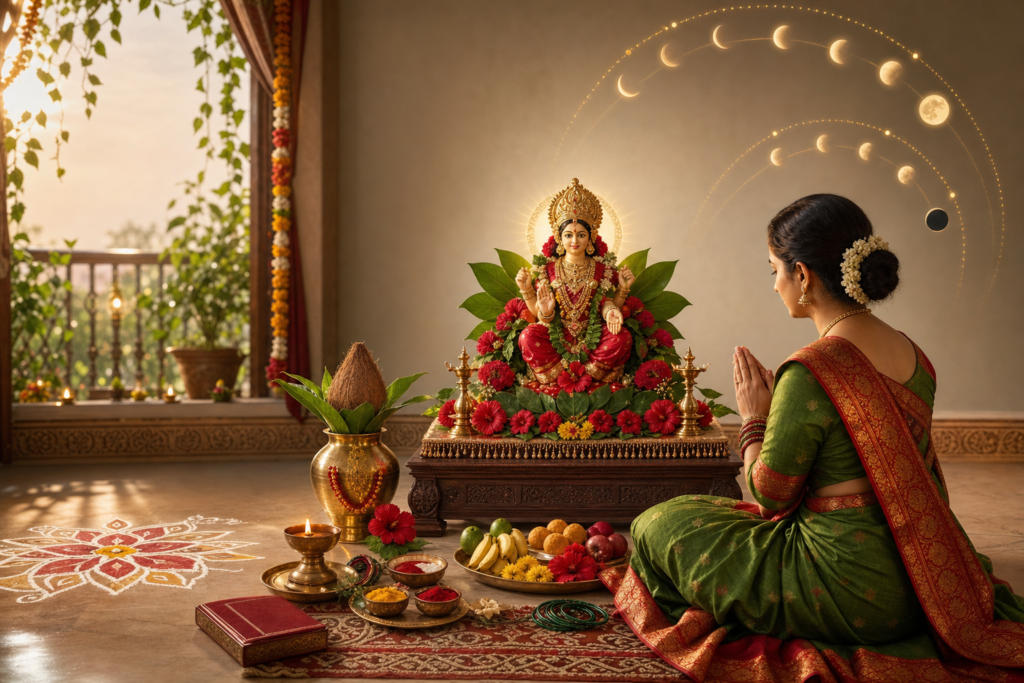
Domestic observances complement temple rituals. Families prepare Thiruvathirai kali and the traditional ezhu kari kootu (seven-vegetable stew), draw auspicious kolams, and chant Shiva mantras such as the Panchakshari. These practices nurture intergenerational learningelders transmit songs, stories, and ritual proceduresensuring cultural continuity and making the festival a living archive of Hindu traditions.
Arudra Darshan is also appreciated for its philosophical insight. Nataraja’s dance is not mere movement; it is a profound symbol of cosmic rhythm and inner stillness coexisting. For many, contemplation on the dance inspires balance between action and introspection, encouraging ethical living, compassion, and responsibility toward the community.
The ethos of Thiruvathirai harmonizes with the broader dharmic family. Across Hinduism, Buddhism, Jainism, and Sikhism, there is shared reverence for cosmic order, disciplined practice, and remembrance of the Divinewhether through simran, meditation, vrata, or mindful observance of sacred days. This common thread underscores unity-in-diversity, affirming respect for multiple paths while celebrating a collective commitment to inner growth and social harmony.
For those planning darshan, Thiruvathirai occurs on the Ardra Nakshatra within Margazhi; exact dates vary annually according to regional panchangs. Major centers such as Chidambaram and Thiruvalangadu host special ceremonies and extended worship schedules. Pilgrims often find that participating in the pre-dawn rites enhances the contemplative power of the day and deepens the connection to living cultural heritage.
Inspired by this post on Hindu Pad.