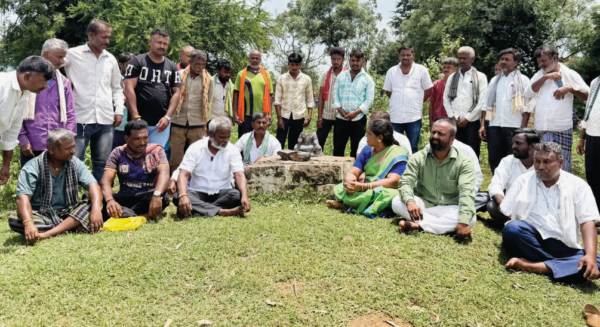
Three intertwined developments in West Bengal are reshaping public conversation about faith and politics: a 6 December claim by TMC MLA Humayun Kabir regarding a Babri mosque foundation at Beldanga, a proposed large Ram Temple initiative in Berhampore, and an estimated five-lakh-strong Bhagavad Gita recitation in Kolkata. Together, these events highlight how religious expression, civic identity, and electoral strategy are converging in real time across Bengal’s evolving political landscape.
The 6 December referencecoinciding with the Babri demolition anniversarytriggered strong political reactions and media scrutiny. While the claim sparked a partisan war of words, the societal response underscored a wider desire for constitutional propriety, lawful process, and sensitivity toward diverse communities. Observers repeatedly emphasized that durable peace in West Bengal rests on dialogue, historical awareness, and a commitment to harmony rather than provocation.
In Berhampore, the proposal to build a major Ram Temple has been framed by supporters as a cultural and civic endeavor aligned with heritage preservation and community service. Civic planners and residents alike have highlighted the importance of transparent procedures, urban compliance, and environmental safeguards. Framed within Bengal’s plural ethos, such initiatives are most likely to succeed when they invite participation, uphold local regulations, and foster inclusive public spaces.
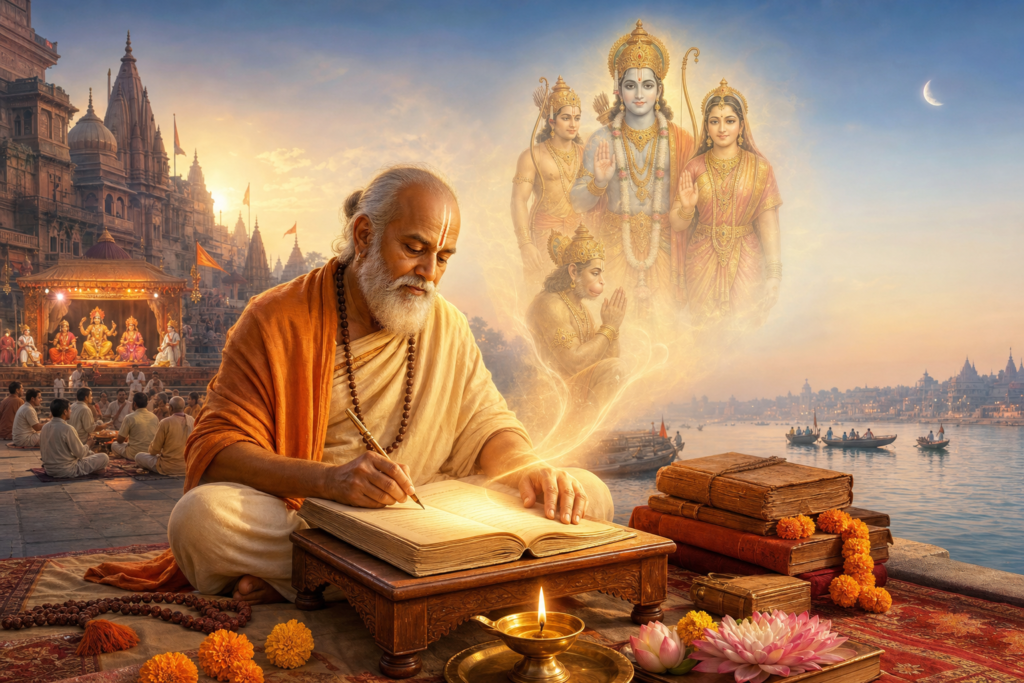
The Kolkata Bhagavad Gita recitationreported by organizers as attracting up to five lakh participantsoffered a striking image of devotional unity. Participants described a calm, collective focus on values celebrated across dharmic traditionsseva (service), satya (truth), and dharma (ethical duty). Scholars note that Gita Jayanti observances often inspire inter-community initiatives, drawing resonance among Hindus, Jains, Buddhists, and Sikhs through shared themes of self-discipline, compassion, and social responsibility.
Political implications are significant. Faith-centered mobilizations can either deepen polarization or catalyze civic cooperation, depending on leadership choices and media narratives. Parties across the spectrum, including TMC and BJP, face a clear incentive to foreground reconciliation, constitutionalism, and development-oriented messaging. Civil society can amplify this by anchoring public events in volunteerism, education, and heritage literacy rather than in zero-sum confrontation.
Across dharmic traditions, the shared ethical vocabulary of ahimsa, karuna, and satya offers a constructive guide for Bengal’s public life. Practical stepsinterfaith service drives, youth-led dialogue forums, multi-faith heritage walks, and collaborative observances that honor Gita Jayanti, Gurpurab, Paryushan, and Vesakcan reduce mistrust and elevate common purpose. Such initiatives build social capital, protect sacred spaces, and strengthen the democratic habit of respectful disagreement.
As Bengal navigates these high-visibility events in Beldanga, Berhampore, and Kolkata, the path forward is clear: honor lawful process, protect pluralism, and steward faith as a bridge rather than a fault line. By prioritizing communal harmony and civic inclusion, West Bengal can transform fervor into shared progress, ensuring that religious devotion enriches, rather than unsettles, the political fabric.
Inspired by this post on Struggle for Hindu Existence.