
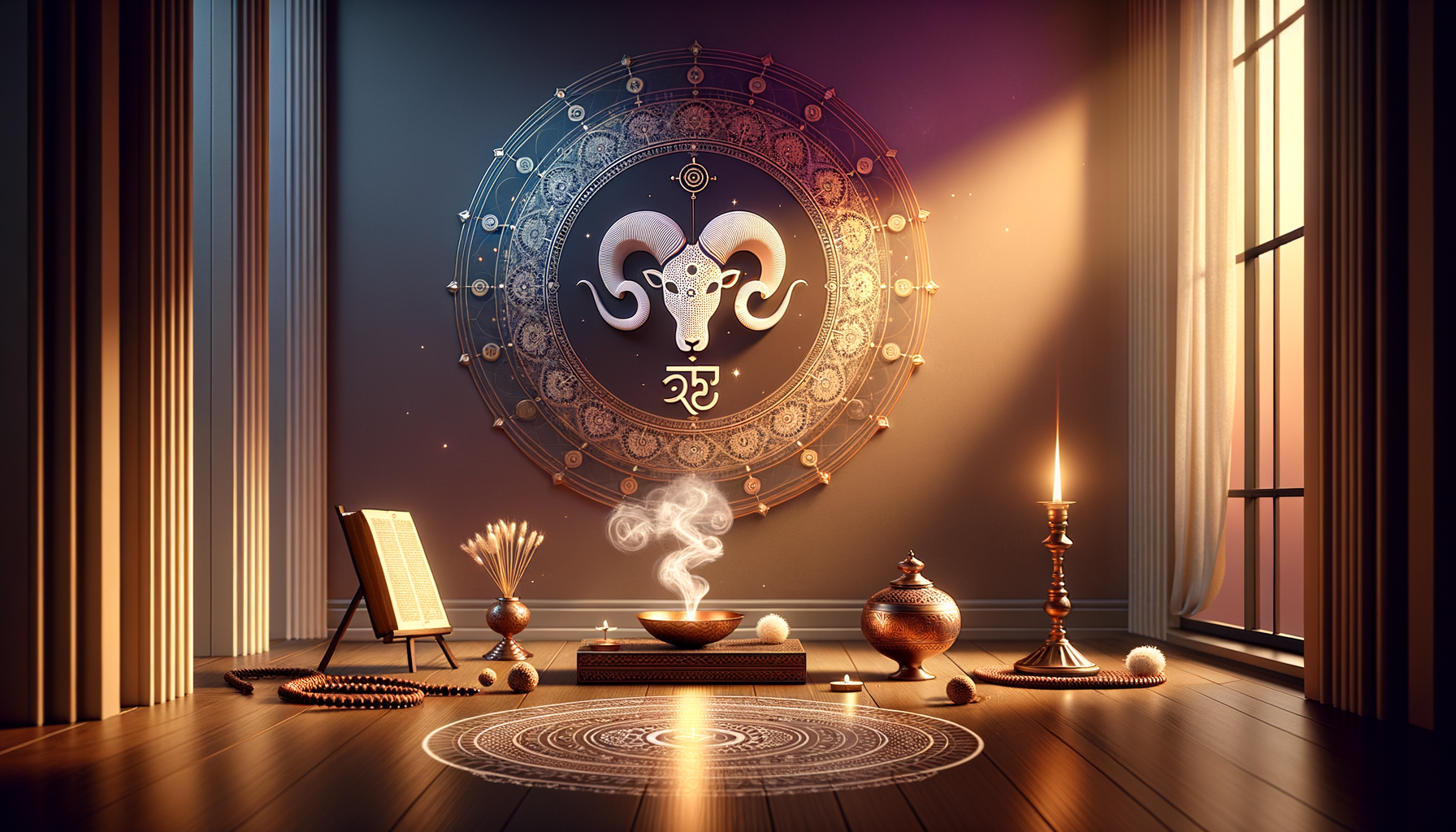
Mesha Rashi, aligned with the Aries zodiac sign, stands first among the 12 Rasi kootas in Hindu astrology. Within this tradition, every Rashi is associated with a Nitya Parayana stotram (daily prayer) meant for regular recitation. Ashwini Nakshatram, Bharani Nakshatram, and a portion of Krutthika Nakshatram are classified under Mesha Rashi, forming the foundational astrological context for this practice.
Reciting or reading the Mesha Rashi Nitya Parayana stotram is traditionally regarded as a means to harmonize the fiery initiative of Aries with steadiness and clarity. For Mesha natives, the practice is said to cultivate courage, disciplined action, and mental focusqualities closely associated with this Rashi in Hindu astrology. While especially recommended for those born under Ashwini Nakshatram, Bharani Nakshatram, and Krutthika Nakshatram (partly), the stotram can be undertaken by anyone seeking the benefits of a structured daily prayer grounded in Vedic mantras and Hindu rituals.
Practical observance typically includes simple steps: choose a clean, quiet space; sit facing the east if possible; and maintain a steady, unhurried pace of recitation. Many follow the Panchang to align chanting with auspicious timings such as Brahma muhurta or sunrise, though sincerity of intention remains central. Repetition counts (for example, 11 or 21 times) may be adopted to build regularity and rhythm, yet flexibility is preserved to accommodate individual schedules and capacities.
Practitioners frequently report that the stotram anchors the day, helping to temper impulsivity and cultivate thoughtful decision-makingconcerns often noted for Mesha Rashi due to its natural dynamism. While traditional claims are devotional in nature, the observable effects align with well-known benefits of daily contemplation and mindful sound (mantra) practice: steadier attention, emotional balance, and purpose-driven action.
This discipline also resonates with the shared values of dharmic traditions. The daily cadence of prayer parallels the spirit of Buddhist sutra recitation and metta cultivation, Jain Samayik and Pratikraman, and Sikh Nitnem and simraneach nurturing inner clarity, ethical living, and compassion. Approaching the Mesha Rashi Stotram with a broad sankalpa for collective well-being reinforces unity across these traditions while honoring distinct lineages.
In sum, the Mesha Rashi Stotram functions as a focused yet inclusive spiritual practice. It integrates seamlessly with the Hindu calendar, complements meditation and ethical conduct, and is accessible to both Mesha natives and others drawn to its contemplative structure. Engaged consistently, it offers a grounded way to channel Aries energy toward clarity, resilience, and service to the wider community.
Inspired by this post on Hindu Pad.
