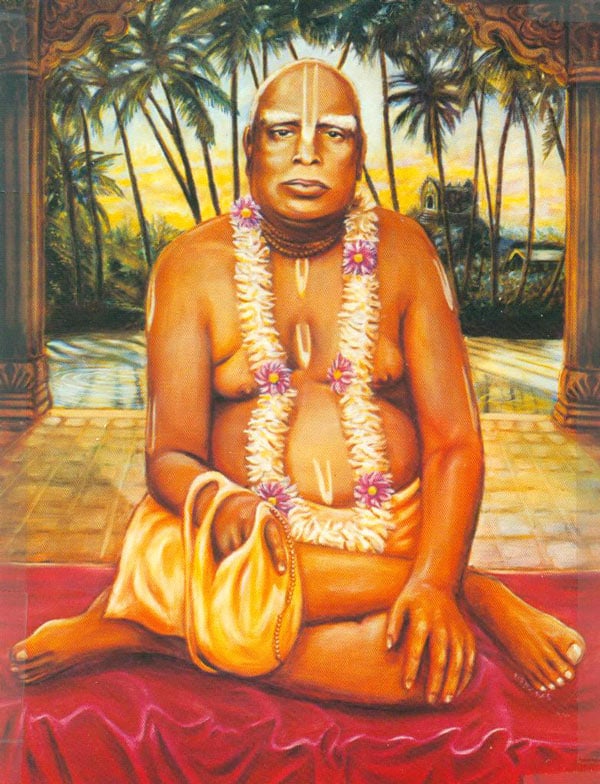
The Bhakti Movement, spanning roughly the 11th to 16th centuries CE, revitalized Hindu spirituality through an intense emphasis on devotion (bhakti) to the Divine. From Ramanuja’s theological systematization to Chaitanya’s ecstatic kirtan, this movement fostered a culture of love, service, and accessible practice. Within this luminous lineage, Advaitacharyaoften referred to simply as Advaitastands as a pivotal figure whose life and work helped shape the devotional resurgence in Bengal and beyond.
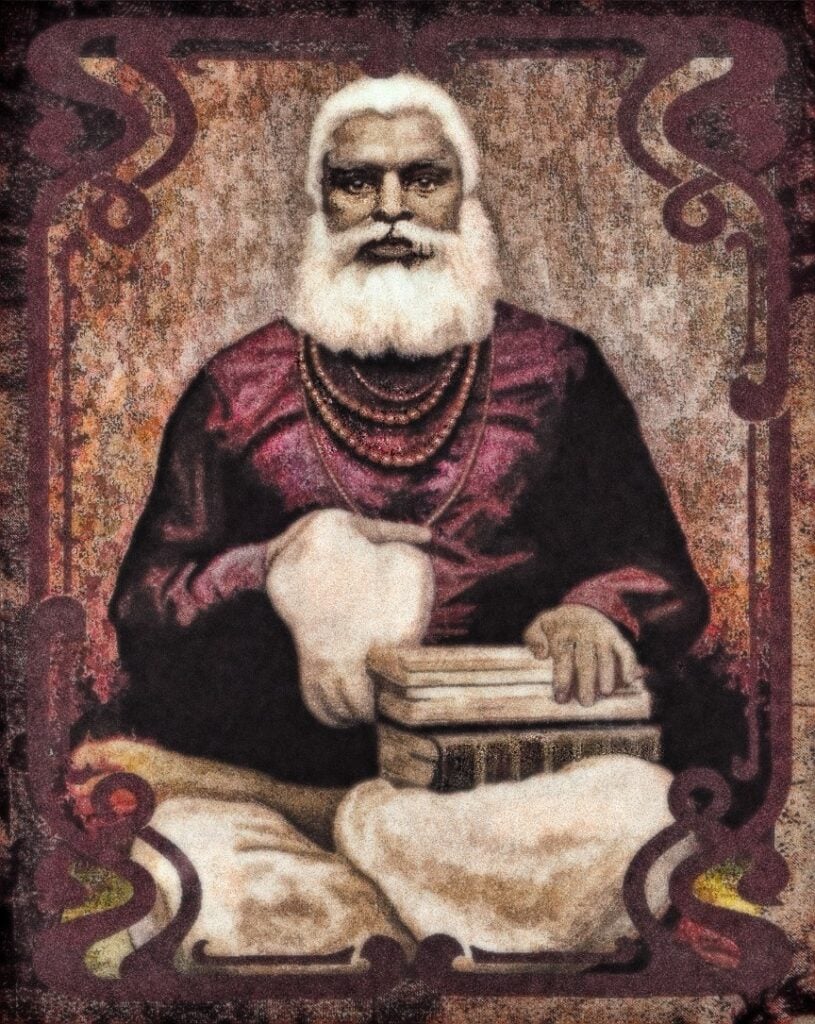
Advaitacharya is remembered as an elder contemporary of Chaitanya Mahaprabhu and a principal architect of the devotional ethos that came to be known within Gaudiya Vaishnavism. Revered for profound scriptural mastery and a deeply compassionate temperament, he helped anchor bhakti in everyday life while maintaining an erudite, textually grounded approach. His presence in Śāntipur and Navadvipa fostered a culture where devotion, learning, and sangha (community) flourished together.
Across sources in the Gaudiya tradition, Advaitacharya is portrayed as harmonizing rigorous study of the Bhagavad Gita and the Bhagavata Purana with lived devotion. He emphasized sankirtana (collective singing of the Divine names), personal prayer, and ethical conduct as complementary paths for seekers of varied temperaments. This integration of head and heart resonates with the wider Bhakti Movement, which sought to make spiritual realization inclusive, participatory, and transformative.
Gaudiya narratives preserve a striking theological memory: Advaitacharya’s intense devotional appealssymbolized by worship with tulasi and Ganga waterare said to have called forth the descent of Chaitanya Mahaprabhu. While expressed in devotional language, this motif underscores an historical truth about the movement’s dynamism: sincere, community-centered practice can catalyze spiritual renewal on a civilizational scale. In this sense, Advaitacharya embodies the Bhakti conviction that personal devotion and social uplift are mutually reinforcing.
Advaitacharya’s relationships with Chaitanya and Nityananda further highlight his role as a unifier. Together they championed public kirtan, sacred study, and compassionate outreach. The tradition remembers his household as a hospitable center of learning and service, reflecting his belief that devotion should sanctify domestic life as much as temple practice. This holistic view helped embed bhakti into the rhythms of ordinary livingsinging, study, ethical action, and shared mealsallowing spiritual practice to become a collective way of life.
The distinctive contribution of Advaitacharya also lies in his inclusive sensibility. Within the broad tapestry of the Bhakti Movement, his teaching affirmed that devotion can be embraced by all, irrespective of social background. This ethos aligns with the shared values of the dharmic traditionsHinduism, Buddhism, Jainism, and Sikhismeach honoring compassion, ethical living, and interior transformation. While their philosophies and practices differ, the shared commitment to inner refinement, service, and communal harmony offers a powerful reminder: spiritual diversity can deepen unity rather than diminish it.
Contemporary relevance emerges clearly. Readers encounter Advaitacharya as both scholar and devotee, suggesting a timeless path: balance scriptural learning with practice; complement meditation or japa with kirtan; unite personal discipline with seva (service). Many find that a simple daily patternrecitation, reflective reading, and an act of kindnessopens the heart to the Bhakti ideal of loving awareness. In public spaces, collective singing and service projects still echo the sankirtana spirit, translating devotion into tangible community well-being.
As one studies Advaitacharya within the broader Bhakti Movement, several enduring insights stand out. Bhakti is both intimate and communal; learning and love are co-equal; and unity in diversity strengthens the spiritual fabric of society. These lessons carry a quiet emotional charge: devotion as solace in hardship, friendship in community, and courage in ethical action. Through this lens, Advaitacharya remains not only a historical personality but also a living invitation to renew spiritual liferooted in compassion, illumined by wisdom, and shared with all.
Inspired by this post on Hindu Blog.