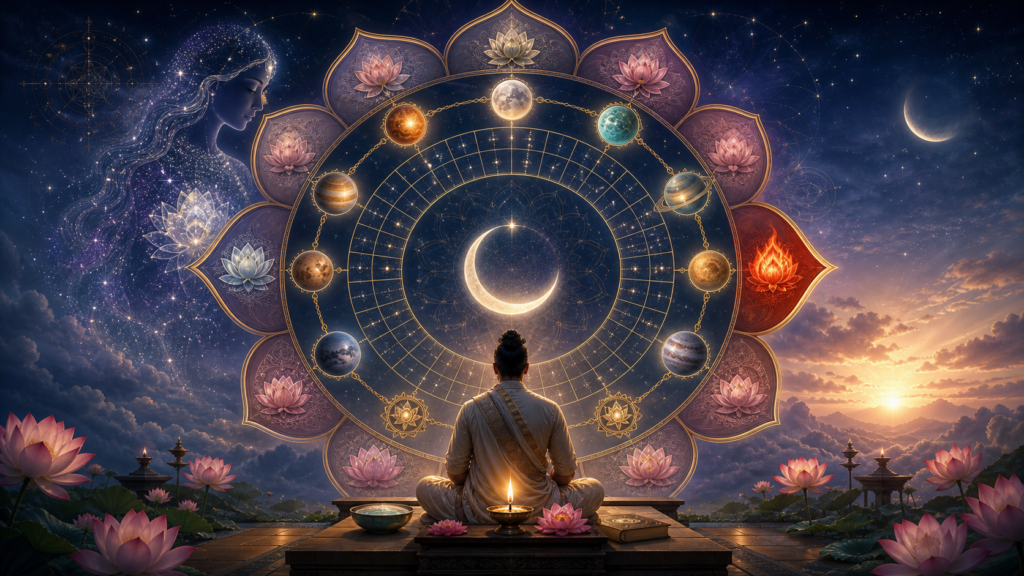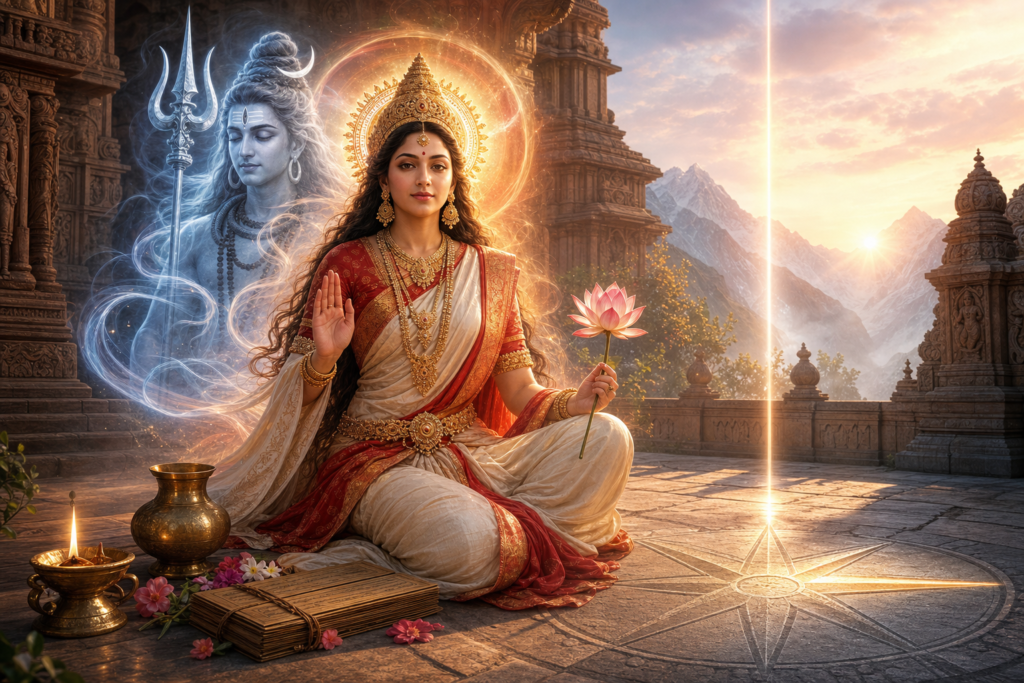
Vishnu Saptami, observed on the seventh lunar day (Shukla Paksha Saptami) of Margashirsha Month in the Hindu calendar, falls on November 27, 2025. The observance honors Lord Vishnu and, in many traditions, includes reverential offerings to Lord Shiva, expressing the non-dual insight that Vishnu and Shiva embody the same supreme reality.
The spiritual significance of Vishnu Saptami extends beyond ritual to a message of unity within dharmic traditions. The harmonious veneration of Vishnu alongside Shiva reflects a broader ethos of religious harmony and unity in diversity central to Sanatana Dharma. This inclusive spirit resonates with shared values across Hinduism, Buddhism, Jainism, and Sikhismcompassion, self-discipline, truthfulness, and sevafostering societal cohesion and mutual respect.
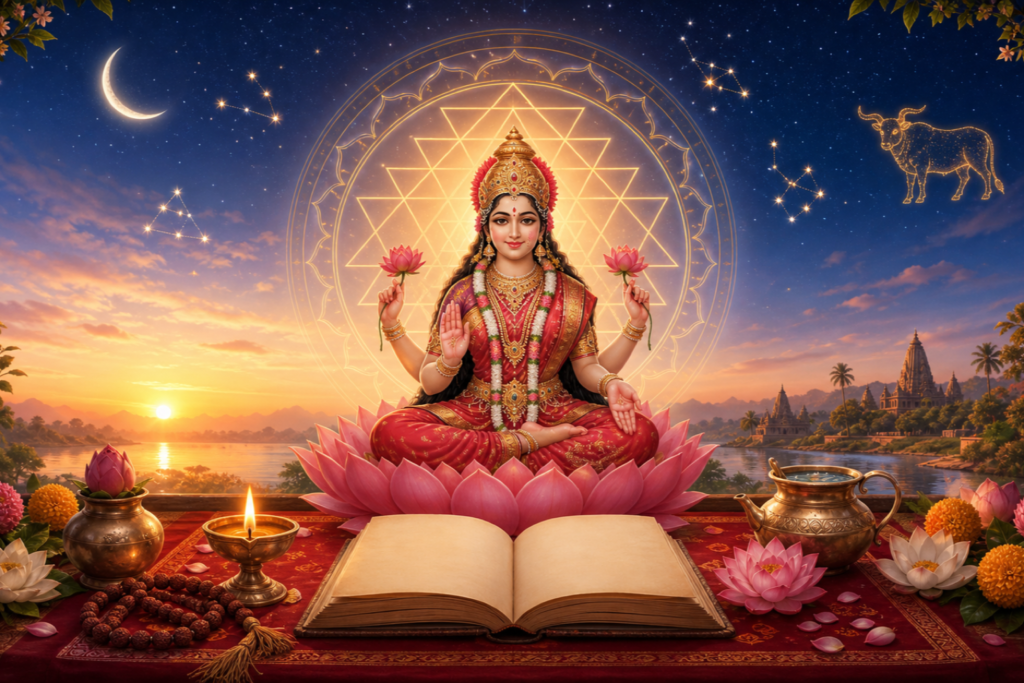
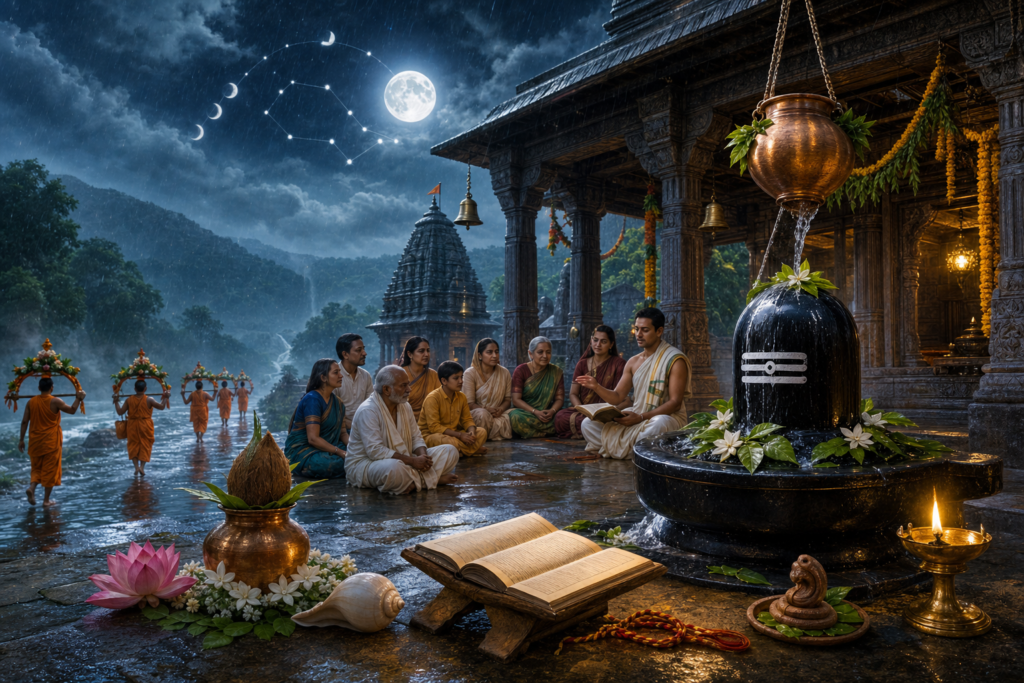
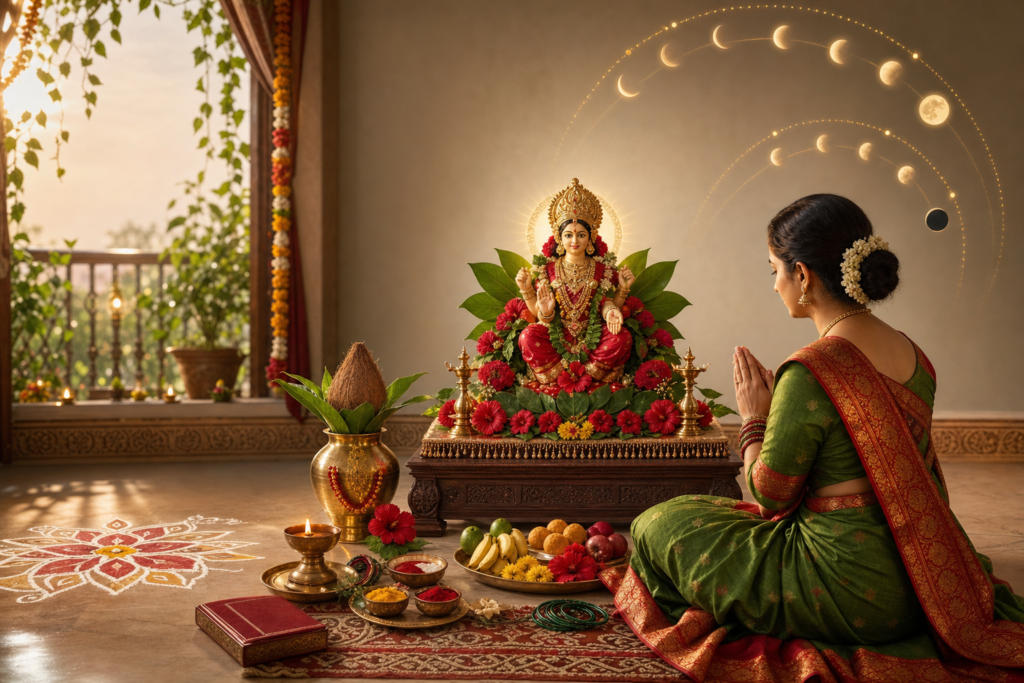
Devotees commonly perform Shodashopachara Puja, lighting lamps, offering flowers, incense, naivedya, and water, and engaging in mantra japa and silent contemplation. Many observe a vrata (fast) or adopt a sattvic diet, recite sacred hymns such as Vishnu Sahasranama, and make symbolic offeringsTulsi leaves to Vishnu and Bilva leaves to Shivato emphasize unity rather than sectarian distinction. Acts of charity, annadana, and mindful living further deepen the observance.
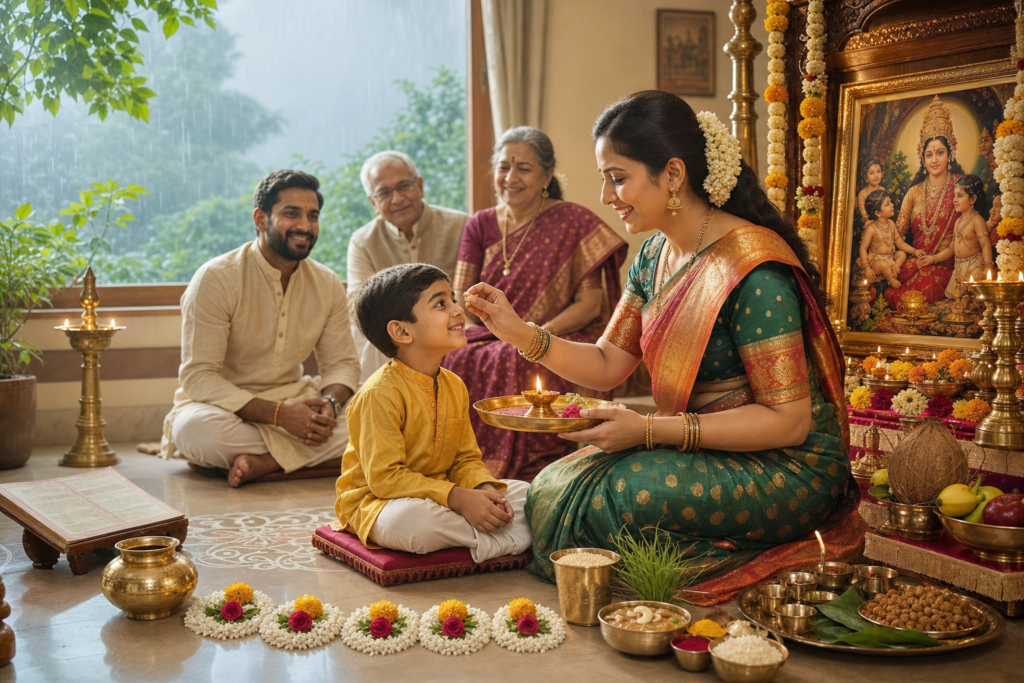
Households and temple communities often describe the day as one of inner clarity and shared devotion, where simple, heartfelt worship creates a sense of belonging. Children learn the meaning of reverence through small rituals at home, while elders emphasize harmony over differencean experience that strengthens family bonds and transmits living tradition with dignity and tenderness.
For 2025, the primary calendar marker is November 27; however, regional panchang variations may affect local timings for Saptami tithi and recommended muhurta. Consulting a reliable regional Panchang helps align home and temple observances with the precise lunar calculation, ensuring that worship is both accurate and contextually grounded.
In essence, Vishnu Saptami is a celebration of auspicious timing, meticulous worship, and the profound realization that the divine is one, known by many names. By centering unity and ethical living, the observance nurtures personal well-being and communal harmony, affirming the shared dharmic vision of peace, discipline, and universal respect.
Inspired by this post on Hindu Pad.