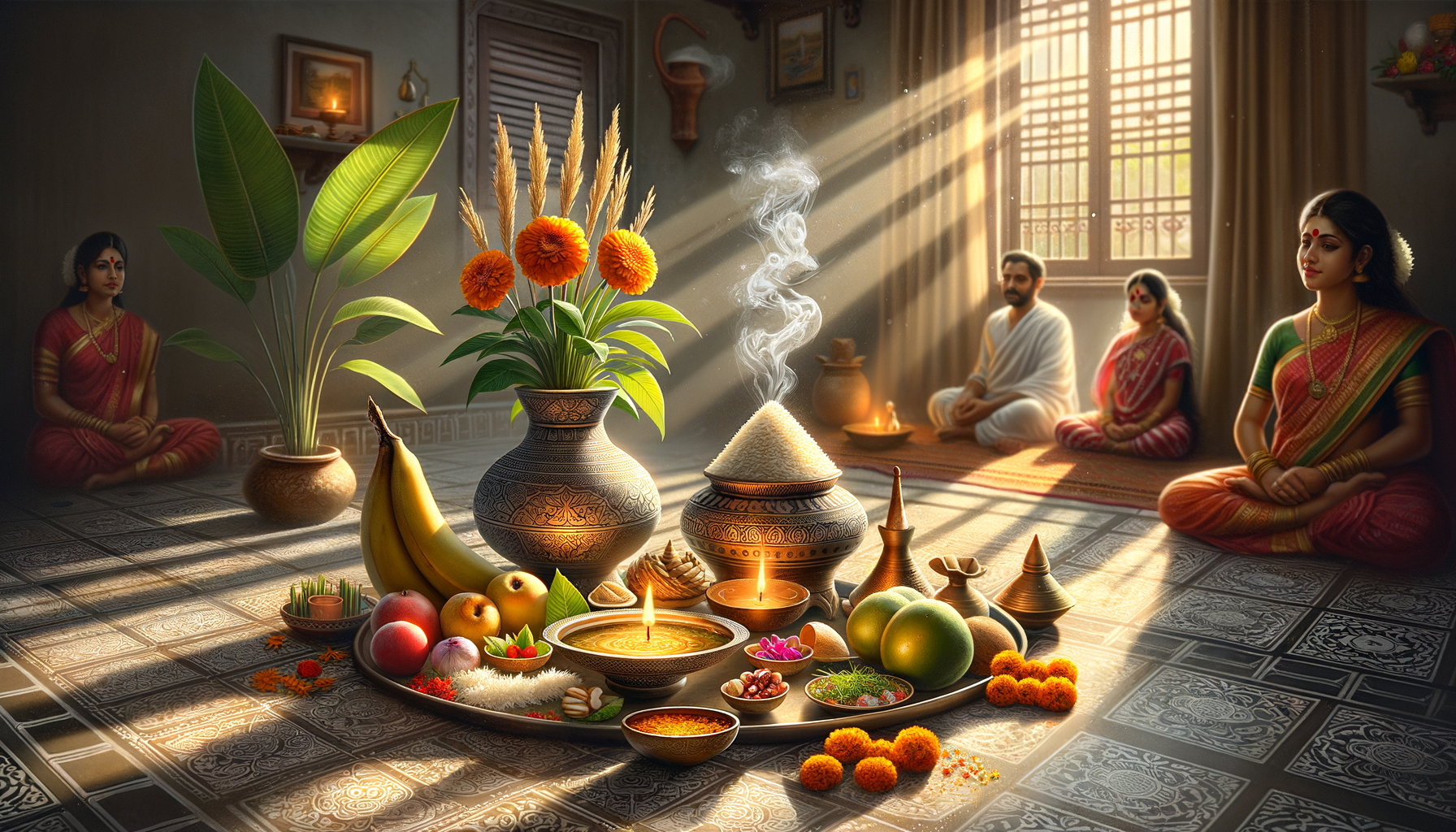
Itu Puja (Itu Vrata) is a cherished Bengali observance performed primarily by married women for the health, prosperity, and welfare of the family, and by unmarried girls with the hope of finding a virtuous life partner. Rooted in Bengal’s seasonal rhythm, the vrata is traditionally conducted in the morning on consecutive Sundays during late autumn, aligning with the Bengali month of Agrahayan and the broader Hindu calendrical period of Margashirsha. The practice emphasizes discipline, gratitude, and collective well-beingvalues at the heart of dharmic life.
For 2025, Itu Puja in Bengal will again be observed on Sunday mornings across the November–December window, in keeping with local Bengali Panchang calculations and sunrise timings. As the vrata follows the regional calendar, exact dates vary by location and tradition. Devotees are advised to confirm the sequence of Sundays for Agrahayan/Margashirsha with a trusted Bengali Panchang or nearby temple committee. This approach preserves calendrical accuracy while honoring regional practice.
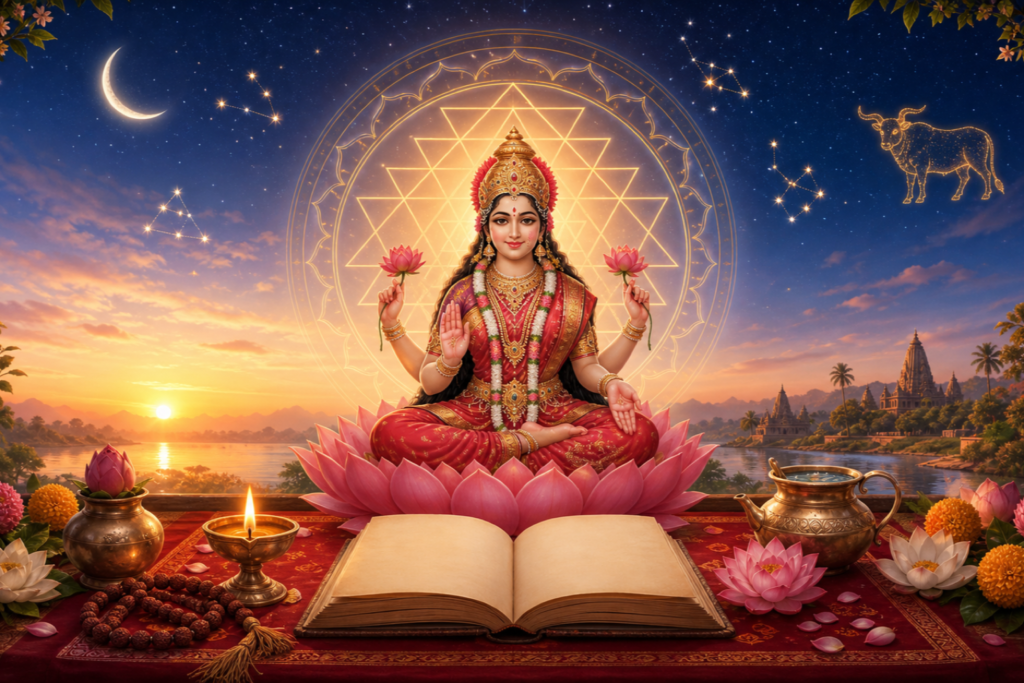
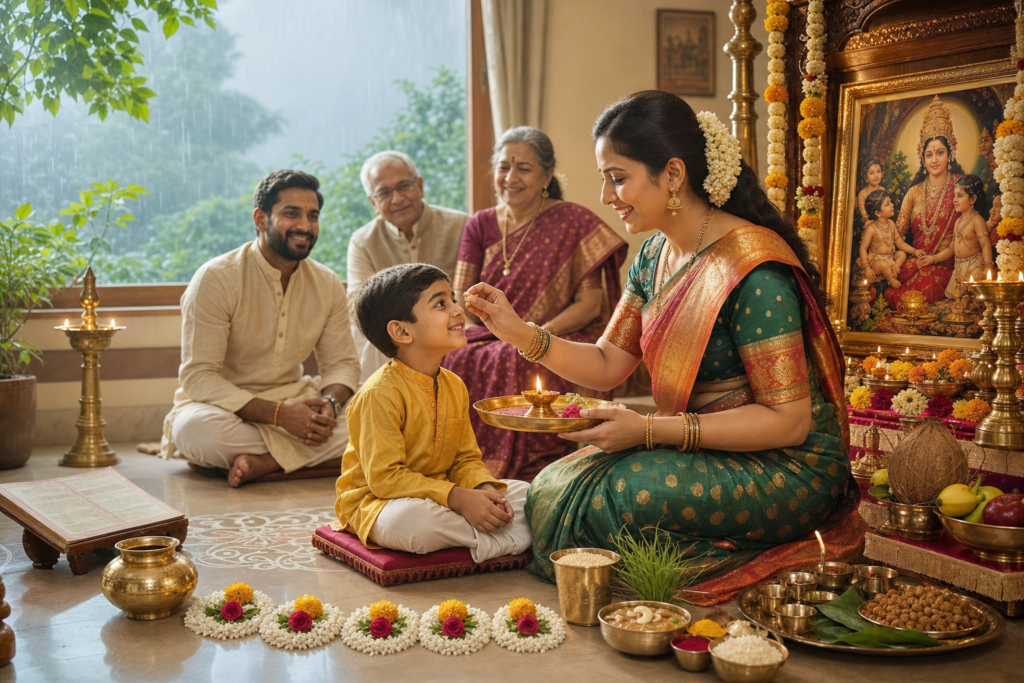
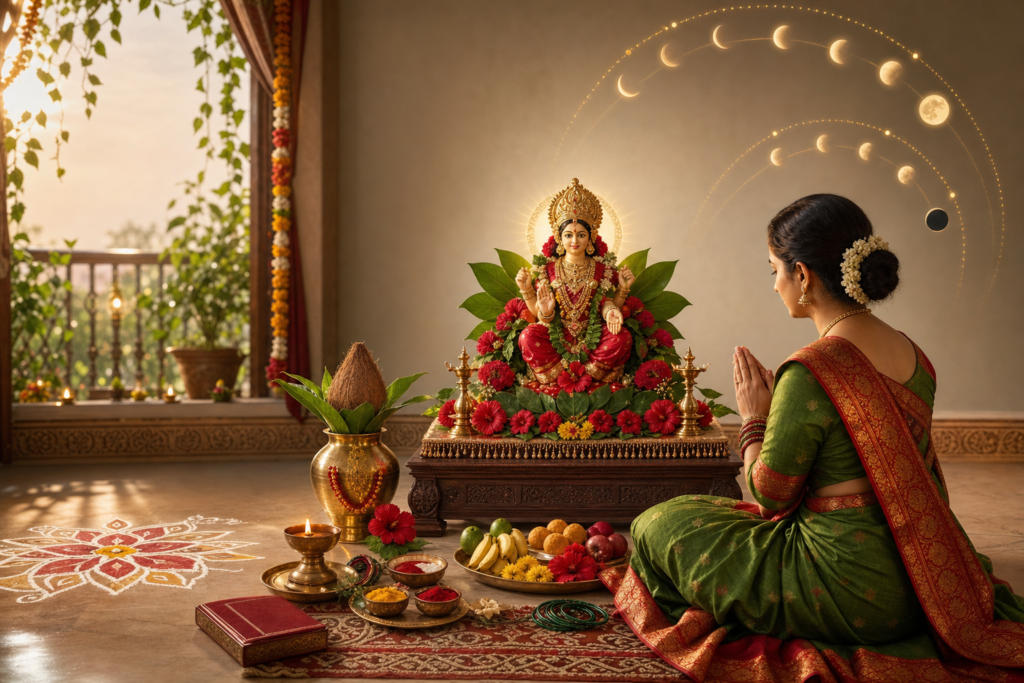
The ritual flow typically centers on a simple, sattvic morning observance. Households prepare a clean sanctified spaceoften adorned with alpanalight earthen lamps, and arrange a modest puja thali with seasonal offerings. Readings of vrata-katha, quiet prayer, and the sharing of prasada reinforce the vrata’s intent: strengthening family bonds, cultivating inner discipline, and invoking blessings for health and harmony. Many participants maintain dietary simplicity or a partial fast, concluding the cycle on the final Sunday with gratitude and distribution of offerings.
Recent observance provides helpful context. In 2024, many communities in Bengal marked Itu Puja on five consecutive SundaysNovember 17, November 24, December 1, December 8, and December 15always in the morning. The 2025 cycle will similarly span consecutive Sundays across late November and early to mid-December, with local sunrise times guiding the start of worship.
Across neighborhoods, the morning soundscapeshankha calls, soft lamp-light, and the fragrance of fresh flowersevokes a sense of calm devotion that families remember year after year. The observance nurtures values shared across dharmic traditions: the spirit of seva and family care recognized in Hinduism and Sikhism, the ethical mindfulness cherished in Jain vrata-dharma, and the reflective poise resonant with Buddhist practice. In this way, Itu Vrata becomes a gentle communal thread, celebrating unity, compassion, and well-being across the broader dharmic family.
Those planning Itu Puja 2025 can prepare by consulting a Bengali Panchang for their locality, noting Sunday sunrise timings, and coordinating with local temples for community schedules. A simple puja arrangementearthen lamps, seasonal fruits or grains, clean water, flowers, and a cloth for sanctifying the spacekeeps the focus on intention rather than opulence. Families often choose to conclude the observance with a concluding prayer of thanksgiving on the final Sunday, reinforcing the vrata’s purpose of sustaining health, harmony, and hope.
Observed with care and clarity, Itu Puja 2025 in Bengal offers a contemplative pathway to family welfare, personal discipline, and communal harmony. The Sunday-morning rhythm, the seasonal cadence of Agrahayan/Margashirsha, and the emphasis on simplicity together preserve a living heritagewhile affirming the shared dharmic ethos of compassion, balance, and unity.
Inspired by this post on Hindu Pad.