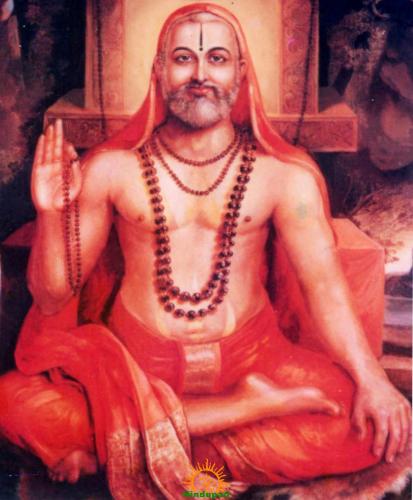
Within the Gaudiya Vaishnavism tradition, chanting the holy name and engaging in Bhakti-yoga (Krishna consciousness or devotional service) is upheld as a primary means of purification and healing. These practices orient the heart toward devotion, cultivate inner calm, and foster spiritual growth. At the same time, contemporary counseling and psychotherapy can function as a thoughtful adjunctsupportive but not substitutivehelping address psychological patterns that may obstruct steady practice.
Questions often arise about whether spiritual practices alone should suffice: Why consider anything beyond sadhana? A clear response recognizes that while nama-japa, kirtan, and meditation are transformative, individuals sometimes carry unresolved samskaras, trauma, or habitual responses that complicate progress. Counseling can help illuminate and regulate these conditioned patterns, enabling more consistent absorption in Krishna consciousness.
In this integrated view, psychotherapy is neither a panacea nor a replacement for Bhakti-yoga. Rather, it serves as an evidence-informed complement that supports emotional well-being, strengthens attention, and refines self-understanding. When grounded in respect for dharmic values, counseling can harmonize with daily sadhana, improving stability in chanting, mindfulness during seva, and constructive engagement with community life.
Consider common challenges faced by practitioners: anxiety that disrupts concentration during japa, interpersonal strain within families or sangha, or persistent self-criticism that saps enthusiasm for seva. In such cases, structured toolssuch as cognitive-behavioral strategies for reframing thoughts, breath-based relaxation for autonomic regulation, and compassionate communication skillscan reduce distress and sharpen attention. This, in turn, supports deeper immersion in chanting the holy name and facilitates a more sattvic inner climate.
Careful alignment is essential. Therapies that honor ahimsa, integrity, and spiritual aspirationwithout pathologizing faithtend to be most beneficial. Many practitioners seek counselors who understand or respect Krishna consciousness, ensuring that devotional commitments remain central while psychological tools are used judiciously. In this way, Bhakti remains the core; counseling becomes a skillful means to remove obstacles.
This integrative approach resonates across dharmic traditions that value inner transformation and compassion. Hindu nama-japa, Buddhist mindfulness and metta, Jain commitments to ahimsa and aparigraha, and Sikh simran all exemplify practices that refine awareness and character. When needed, counseling can accompany these disciplines, creating a shared, holistic framework that strengthens unity, mutual respect, and spiritual inclusivity among Hinduism, Buddhism, Jainism, and Sikhism.
Emerging research on meditation and mantra practices suggests benefits for attentional control, emotional regulation, and stress reduction, complementing clinical insights into attachment, trauma, and habit formation. Together, Bhakti-yoga and appropriate psychotherapy can foster resilience, deepen insight, and support sustainable behavioral change. The synergy lies in allowing spiritual practice to direct meaning and purpose, while therapeutic tools address the conditioned mind.
Knowing when to seek additional support is itself a form of discernment. Signs include persistent distress that interferes with sadhana, intrusive memories or trauma responses, or relational patterns that repeatedly undermine harmony. In such cases, consulting a qualified professional can be understood as responsible self-care aligned with dharmic dutymuch like seeking guidance from a guru for scriptural understanding or from a teacher for refined sadhana.
Practical integration can be straightforward: maintain fixed times for japa and study, pair breath awareness or brief mindfulness practice before chanting, and employ reflective journaling to track triggers and insights. Clarify goals with a counselor who respects dharmic values, and opt for modalities that emphasize compassion, agency, and ethical living. Over time, such alignment can stabilize attention, reduce reactivity, and soften the heart’s receptivity to devotion.
Ultimately, Bhakti-yoga remains the central path of purification and healing in Krishna consciousness. When necessary, counseling serves as a supportive companionuseful for untangling psychological knots so devotion can flow more freely. This balanced perspective nurtures resilient well-being, strengthens community bonds, and affirms the shared dharmic commitment to inner transformation and compassionate living.
Inspired by this post on Dandavats.