Jalaram Jayanti commemorates the birth anniversary of Saint Jalaram Bapa, a revered Hindu saint from Gujarat known for a life centered on seva (selfless service) and anna-dāna (food offering). In 2025, the Jalaram Jayanti date is October 29. The observance holds particular significance for families and communities who honor compassion, generosity, and inclusive service as living expressions of dharma.
On the traditional Hindu calendar, Jalaram Jayanti falls on Shukla Paksha Saptami in the Kartik month—the seventh day after the Diwali festival. This placement in the bright fortnight underscores the festival’s symbolism of renewed light, gratitude, and communal welfare. As with all tithi-based observances, local panchang timings may vary slightly; verifying with a regional calendar ensures accurate puja and community activities.
Jalaram Bapa was born in 1799 in Virpur near Rajkot, Gujarat. His legacy is anchored in unconditional hospitality, the feeding of pilgrims, and a non-sectarian spirit of care that transcended social boundaries. The core values he embodied—karuṇā (compassion), dāna (generosity), and sarva-dharma-samabhāva (respect for all paths)—resonate across the broader dharmic family. These ideals naturally align with dana in Buddhism and Jainism and with langar in Sikhism, emphasizing unity through shared service and ethical living.
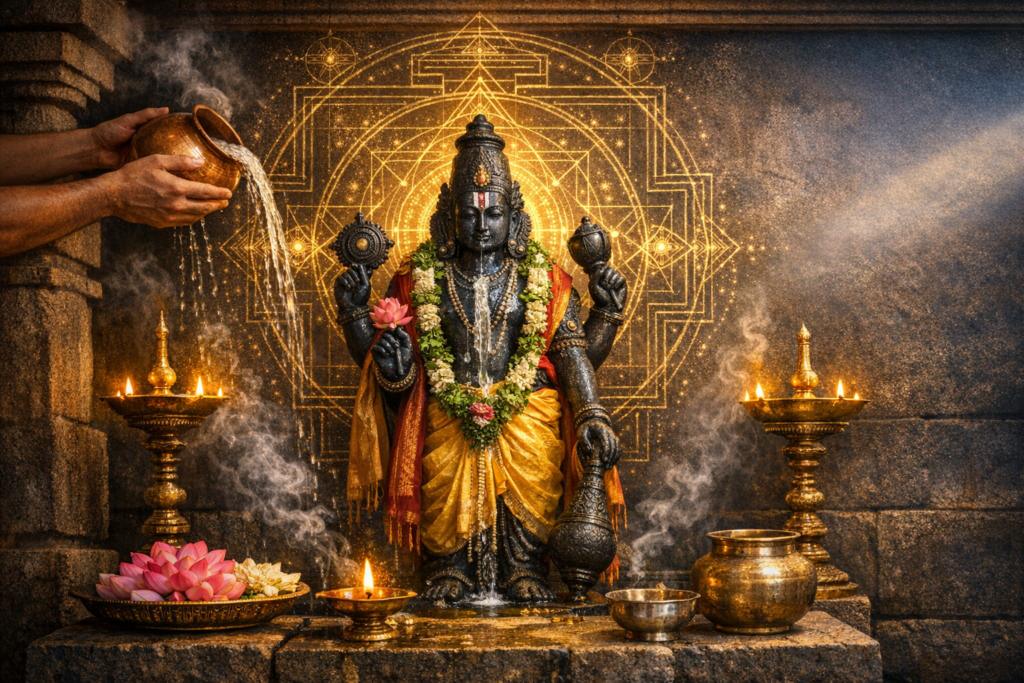
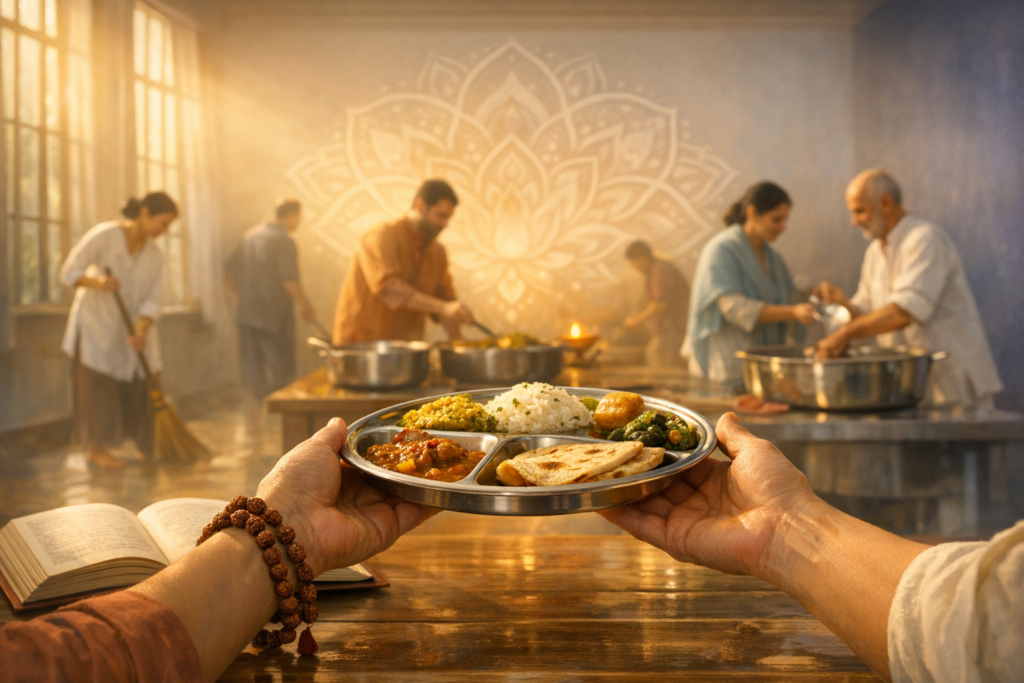
Jalaram Jayanti observances typically include morning puja, bhajans in praise of Jalaram Bapa, and community-led anna-dāna. Many visit temples—especially the Jalaram Mandir at Virpur—while others organize food drives, prepare prasad, and share meals across neighborhoods. The practice is simple yet profound: offering food and goodwill without distinction, reflecting the festival’s heart as a lived ethic rather than only a ritual form.
Practical ways to honor the day include volunteering at local community kitchens or langars, contributing grains or fresh meals to those in need, and supporting sustainable food initiatives that reduce waste. Families often recite “Jai Jalaram,” sing bhajans, and read brief biographies or kirtans associated with Jalaram Bapa, reinforcing the educational and devotional dimensions for younger generations. Above all, cultivating ahimsa and empathy in daily interactions allows the spirit of the festival to extend beyond a single date.
For those planning a pilgrimage, the shrine at Virpur is known for its continuous anna-dāna and draws large gatherings around the Jayanti. Thoughtful planning—respecting temple guidelines, maintaining cleanliness, and prioritizing eco-conscious choices—helps preserve the sanctity of the space and the well-being of fellow devotees. The experience of shared service often becomes a meaningful, collective memory that strengthens community bonds.
Jalaram Jayanti 2025 offers an accessible path to deepen spiritual practice through action. By emphasizing seva that is welcoming and inclusive, the festival embodies values cherished across Hinduism, Buddhism, Jainism, and Sikhism. Observed after Diwali’s lights, it invites communities to carry that brightness forward—through compassion, unity, and the simple act of sharing a meal.
Inspired by this post on Hindu Pad.