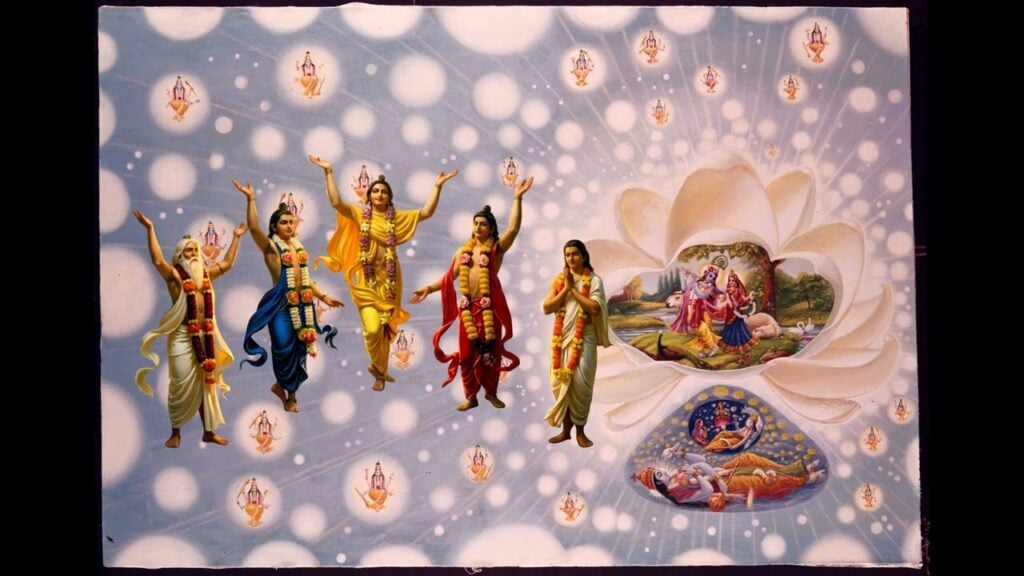
In October 2025, reports from several outlets indicated that some Islamist groups in Bangladesh called for a ban on ISKCON (International Society for Krishna Consciousness), characterizing it as an “extremist Hindutva organisation.” This rhetoric has amplified concern among minority communitiesparticularly Bangladeshi Hindusabout religious freedom, minority rights, and social cohesion. A careful, fact-based appraisal underscores the constitutional duty to protect all faiths and the practical need to reduce polarisation while safeguarding public order.
ISKCON has maintained a longstanding presence in Bangladesh, engaging in devotional practices, cultural education, and social service. For many Hindu families, ISKCON temples and ashrams function as community anchorsspaces for festivals, food distribution, and learning, especially for youth. The organization’s global footprint and codified conduct norms make a blanket characterization problematic; any specific allegation is best assessed through transparent, evidence-based legal processes rather than sweeping labels that risk stigmatizing an entire community.
Bangladesh’s constitutional framework recognizes Islam as the state religion while also guaranteeing freedom of religion for othersa balance that requires vigilant, impartial enforcement. Political discourse has been fluid, with public conversations referencing shifts in governance and leadership, including mention of an interim arrangement and references to Sheikh Hasina and Yunus in commentaries. Regardless of the political moment, international human rights norms and Bangladesh’s own constitutional guarantees converge on a common principle: no community should be penalized for the alleged actions of individuals, and any restriction on religious organizations must be lawful, necessary, proportionate, and evidence-driven.
Calls to ban a religious organization tend to generate cascading social effectsheightened fear, reduced public participation in festivals, and increased risks of harassment around temples and cultural events. Community accounts from Dhaka, Chattogram, and Sylhet describe the practical steps families take during peak festival periods: coordinating with temple committees, sharing safety information, and maintaining routine dialogue with local authorities. These lived experiences highlight the value of protective policing and strong community–police partnerships to prevent intimidation, vandalism, or mob pressure.
Public debate has also referenced cases involving religious figures, including references online to legal scrutiny of individuals such as former ISKCON priest Chinmoy Krishna Das Brahmachari. Without prejudging any matter, due process and judicial transparency remain essential. Sedition or public order statutes must not be applied in a manner that chills peaceful religious life, academic inquiry, or cultural expression; proportionate, evidence-based adjudication protects both security and liberty.
A constructive path forward draws on the shared civilizational ethos of the dharmic traditionsHinduism, Buddhism, Jainism, and Sikhismwhile building alliances with Muslim civil society groups committed to pluralism. Practical steps include documenting incidents with verifiable evidence, convening interfaith roundtables with local officials, establishing early-warning and rapid-response networks for at-risk sites, and investing in youth programs that emphasize ethics, service, and dialogue. Such measures reduce rumor-driven escalation and reinforce a culture of mutual respect.
Policy safeguards can further stabilize the environment. Authorities can reaffirm constitutional protections for minority worship; ensure neutral, visible policing around temples, ashrams, and community centers; investigate incitement according to law; and provide timely, multilingual public information to counter disinformation. Media and digital platforms can apply editorial and community standards that avoid incendiary labeling, prioritize verification, and foreground voices that promote conflict resolution and interfaith cooperation.
Regional experience underscores that pluralism strengthens national resilience. Across South Asia, initiatives that protect minority heritage sites, train officers in de-escalation, and celebrate shared cultural practices reduce flashpoints and improve trust in institutions. Bangladesh’s rich tapestry of festivals, music, and devotional artscherished by Hindus, Buddhists, Jains, Sikhs, and Muslimscan continue to serve as a foundation for social harmony when anchored in law, civility, and dialogue.
The present moment calls for measured language, legal rigor, and an unambiguous commitment to the rights of all communities. By rejecting broad-brush bans and embracing a rights-based approach, Bangladesh can protect religious freedom, mitigate tensions, and model a path to harmony. Unity among dharmic traditionsaligned with principled engagement across communitiesoffers a proven, peaceful route to stability and trust.
Inspired by this post on Struggle for Hindu Existence.