Kartik Nabadwip Mandal Parikrama 2025 is a time-honored tirtha-yatra curated in the sacred geography of Nabadwip, under the stewardship of ISKCON Mayapur. Observed during the auspicious month of Kartik (Karthika), the pilgrimage highlights the Gaudiya Vaishnava bhakti tradition while embodying the broader ethos of Hindu pilgrimage and cultural heritage. As a community event with deep historical resonance, it offers a structured yet contemplative pathway for spiritual seekers to engage with place, practice, and philosophy.
The parikrama customarily traces routes across the nine islands (Nava-dvipa), with kirtan, katha, and seva integrated as daily disciplines. These practices elevate the journey from mere movement to meaningful spiritual progress, aligning with the classical understanding of Tirtha-Yatra as embodied learning. Sites associated with Sri Chaitanya Mahaprabhu and related bhakti narratives anchor the experience, reinforcing continuity between scriptural insights and lived devotion.
In addition to personal sadhana, Kartik Nabadwip Mandal Parikrama fosters community cohesion and unity in spiritual diversity. The pilgrimage ethos resonates with shared dharmic valuescompassion, self-discipline, and servicerespected across Hinduism, Buddhism, Jainism, and Sikhism. This inclusive spirit strengthens inter-community understanding and supports the overarching goal of harmony within the dharmic family, while remaining rooted in the bhakti tradition.
Participants typically prepare through mindful walking, attentive participation in daily liturgy, and respect for local customs and ecological care. Practical details such as schedules and routes are generally released through official ISKCON Mayapur communications and periodic Mayapur.TV updates. Travelers are encouraged to follow verified announcements for dates, safety guidelines, and on-the-ground logistics relevant to Kartik 2025.
Beyond devotional practice, the parikrama acts as a living classroom for cultural heritage, offering insights into Bengali traditions within the Kartik season and the larger timeline of the bhakti movement. Intergenerational participation preserves intangible heritage through collective remembrance, song, and service, while facilitating a balanced blend of scholarship, ritual, and community engagement.
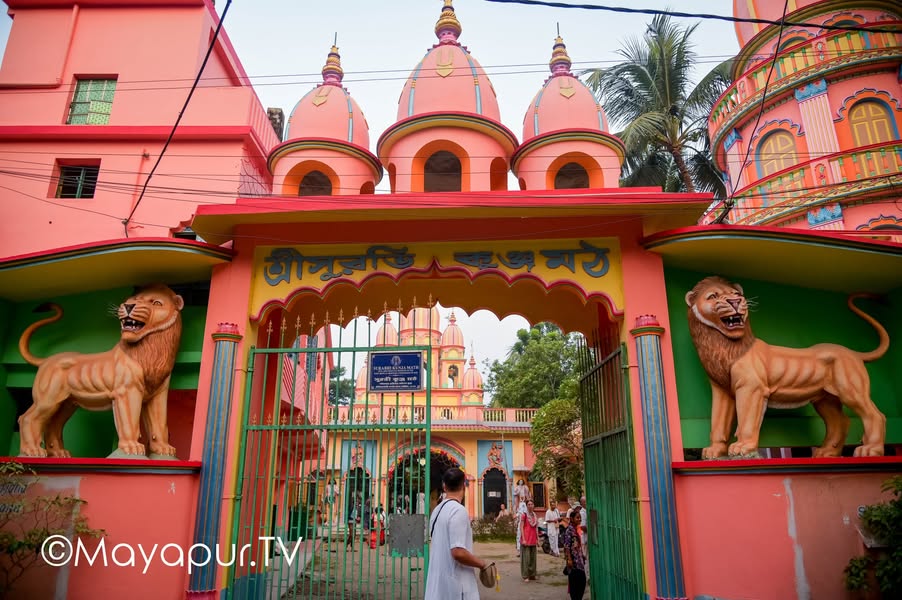
Documentary photographs and community photo archives often capture the reflective mood of the pilgrimageearly morning processions, sacred assemblies, and moments of quiet meditation. Such visual records complement the experiential dimension of Tirtha-Yatra and support ongoing appreciation of the event’s historical significance and spiritual depth.
Inspired by this post on Dandavats.