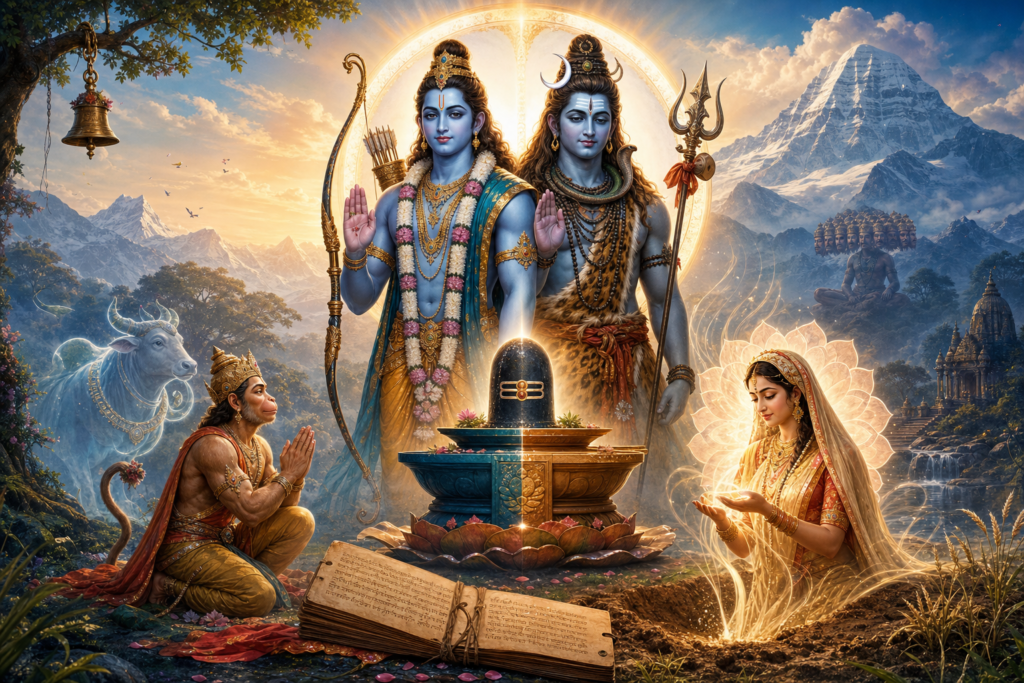
Manabasa Gurubar, also known as Manabasa Gurubara, is a revered Odia festival dedicated to Goddess Lakshmi and observed across the Thursdays of the Margasira month. In 2025, the Puja Arambha (Pratham Pali) begins on Thursday, 6 November 2025, marking the first Gurubar of Margasira according to the Odia calendar. This observance centers on invoking prosperity through cleanliness, devotion, and ethical living, embodying values cherished across dharmic traditions.
Manabasa Gurubar 2025 unfolds across five consecutive Thursdays, each referred to as a Pali in Odia tradition. The schedule for 2025 is: 6 November (Pratham Pali), 13 November (Dwitiya Pali), 20 November (Tritiya Pali), 27 November (Chaturtha Pali), and 4 December (Panchama Pali). Regional panchang variations may exist; consulting a local Odia almanac helps align home observance with community practice.
Ritual significance rests on the symbolism of the Manathe traditional paddy-measurehonored as a vessel of abundance and agricultural heritage. The festival emphasizes shuddhi (purity), vrata (disciplined observance), and seva (service). Many households recite the Lakshmi Purana, highlighting inclusion, humility, and social ethics. These principles resonate with the broader dharmic ethos of ahimsa, dana, and mutual respect, nurturing unity among Hindu, Buddhist, Jain, and Sikh traditions.
Preparation begins with thorough cleaning of the home and sacred spaces, reflecting the belief that Lakshmi resides where order, honesty, and care prevail. Doorways are adorned with mango leaf toranas; lamps (deepa) are kindled to welcome auspiciousness; and floors are decorated with Jhoti/Chita (Muruja) motifs made from rice paste. The sacred paada chinha (lotus footprints of Lakshmi) guides the deity symbolically into the household, reinforcing a contemplative and devotional atmosphere.
Key puja items typically include: a Mana filled with paddy and rice, a kalasha or a neatly placed picture/idol of Goddess Lakshmi, turmeric (haldi), kumkum, akshata (unbroken rice), flowers, incense, diyas, betel leaves and nuts, coconut, fruits, seasonal grains, and a clean white cloth for the altar. Traditional Odia naivedya such as kakara pitha, arisa pitha, chittau pitha, khiri, and jaggery-based offerings are prepared with care, emphasizing purity and gratitude for the harvest cycle.
The puja sequence commonly involves sanctifying the space with water, invoking Lakshmi, lighting lamps, offering flowers and naivedya, and performing arati. Family members often observe simple fasting or dietary restraint, followed by prasada distribution and acts of charity. The measured rhythm of five Gurubars cultivates steadiness, gratitude, and mindful livingqualities that align with the Hindu way of life and enrich community bonds.
Decorations are both aesthetic and symbolic. Earthen lamps placed along thresholds, banana stems at the entrance, and Muruja patterns composed of rice flour and natural pigments connect the observance to ecological harmony and local craftsmanship. Eco-conscious choicessuch as reusable diyas, natural rangoli powders, and locally sourced flowerssupport sustainable celebration without diminishing ritual sanctity.
Within the Odia calendar, Margasira (November–December) bears a contemplative mood, and Thursdays (Gurubar) are associated with Guru and wisdom. Observing Manabasa Gurubar during this period becomes a reflective practice that integrates home, heritage, and ethical conduct. The festival’s inclusive spirit underscores shared dharmic values: cleanliness, compassion, and reverence for honest labor, thereby fostering peaceful coexistence and cultural continuity.
Practitioners often find that cumulative observance across all five Palis deepens intention and steadies routine. Whether conducted in a modest apartment or a traditional Odia household, the essence remains constant: honor the Mana, uphold cleanliness, recite sacred verses with sincerity, and nourish community through hospitality and service. Checking local timings and following one’s family parampara ensures that practice remains authentic and meaningful.
Manabasa Gurubar 2025 thus offers a complete framework for household worshipuniting ritual precision with lived ethics. By aligning daily choices with the festival’s core ideals, devotees cultivate prosperity as inner balance and social harmony, not merely material gain. In doing so, the observance serves as a cultural bridgestrengthening unity within Hindu traditions and nurturing shared values across the broader dharmic family.
Inspired by this post on Hindu Pad.