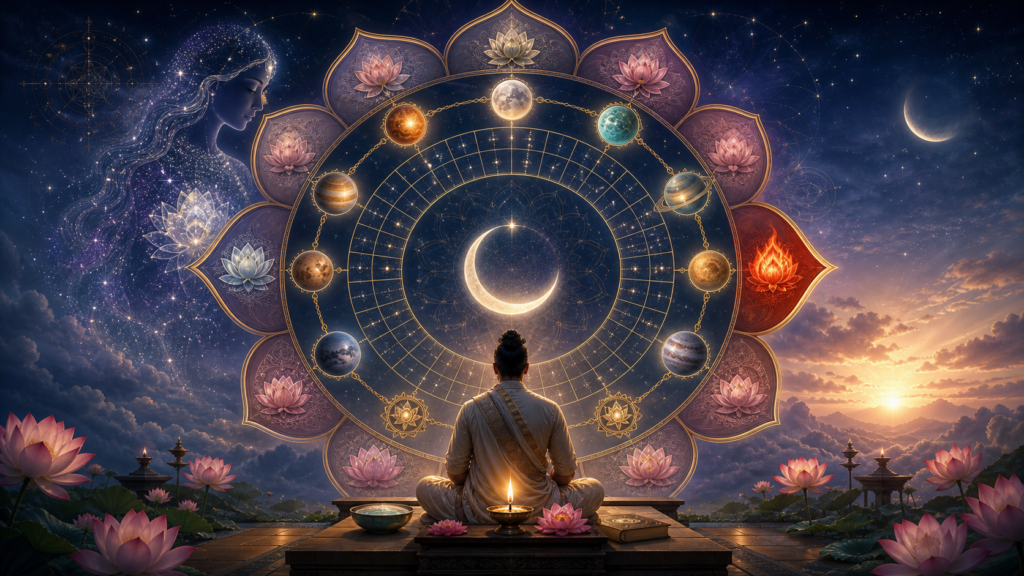
Friday, October 31, 2025, in the Hindu Calendar (Panchang) marks a transition from Shukla Paksha Navami to Shukla Paksha Dashami. As per most regional Panchangs, Shukla Paksha Navami continues until 4:40 AM (local time) on October 31, after which Shukla Paksha Dashami prevails for the remainder of the day. This sequence reflects the waxing, or light phase, of the Moon and is observed across many regions with minor local variations.
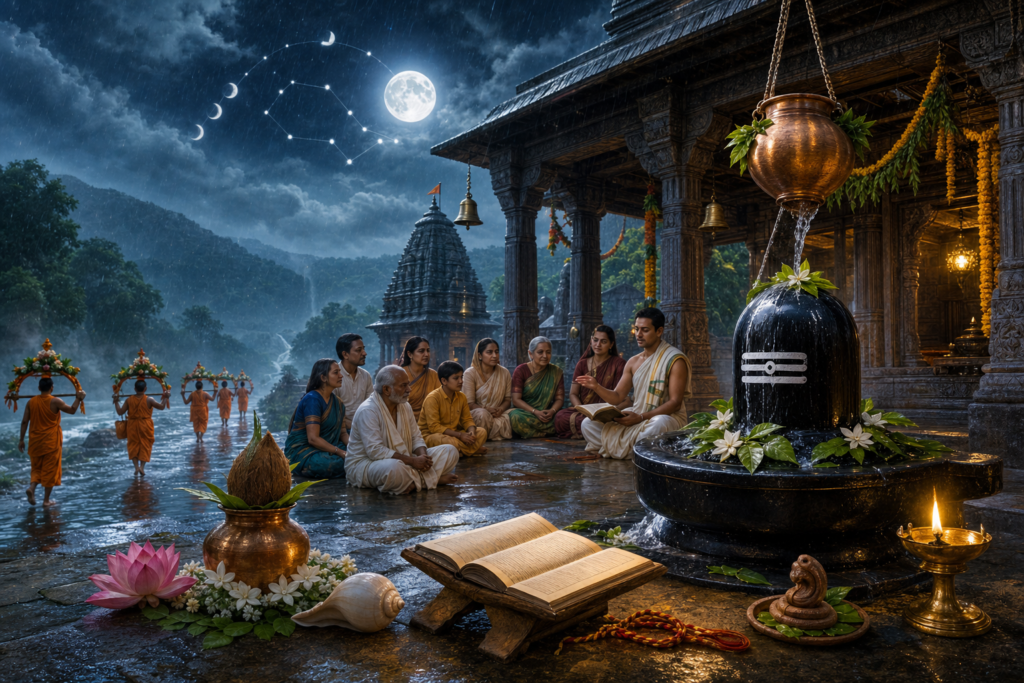
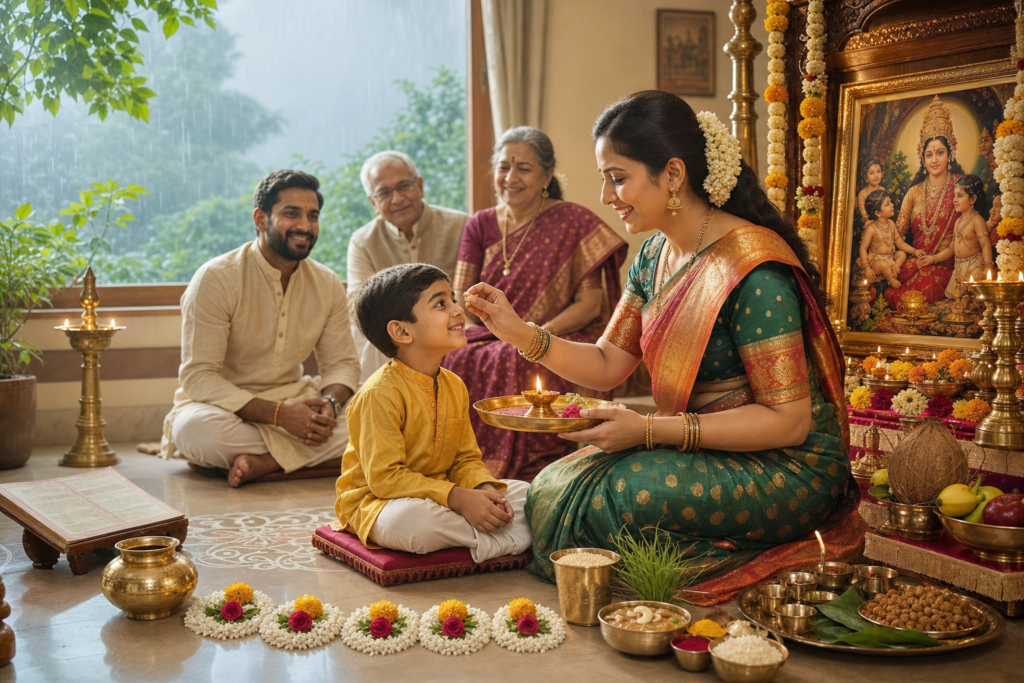
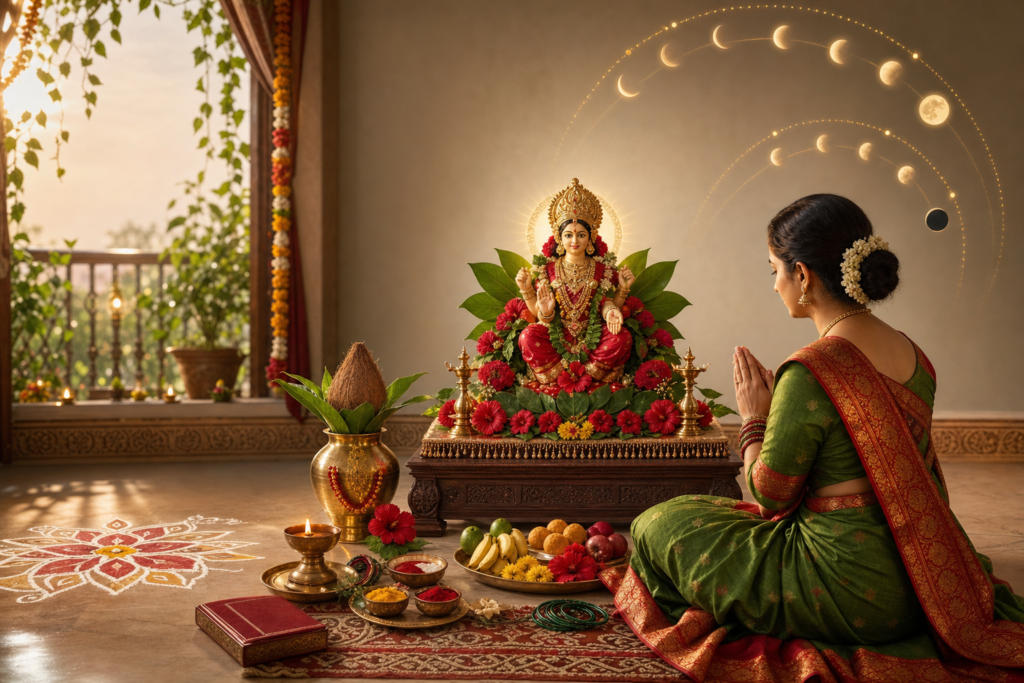
Shukla Paksha Dashami, the tenth lunar day, is traditionally regarded as a steady, auspicious time for disciplined routines, devotional practices, learning, and community service. While not associated with large festivals on its own, Dashami in the bright fortnight supports ongoing vrat, simple puja at home, scriptural reading, and charitable acts. Families often find that aligning daily intentions with the lunar rhythm fosters clarity and calm.
Nakshatra and the Moon’s Rashi on this date may vary slightly by region because these depend on precise local calculations. For accurate Nakshatra, Rashi, and city-specific muhurta (good time) windowssuch as Abhijit Muhurta or other sunrise-based intervalsconsult a trusted local Panchang or a reliable panchangam app configured to the location. This approach ensures precision, especially for those planning rituals, travel, or new undertakings.
Practical planning can still follow time-tested guidance. Many households prefer the pre-dawn period, often called Brahma Muhurta, for meditation, japa, and study, noting that exact start and end points depend on local sunrise. When undertaking important tasks, tradition encourages checking the day’s Rahu Kaal and other daily intervals that are typically avoided; these too are location-specific and best taken from a regional Panchang.
Across dharmic traditionsHinduism, Buddhism, Jainism, and Sikhismthe lunar calendar has long nurtured an ethic of mindful living. The steady cadence from Navami to Dashami offers a moment for shared reflection: cultivating compassion, integrity, and service. Observers often find that this shared lunar awareness strengthens interfaith harmony and highlights the civilizational values of unity in diversity.
In sum, October 31, 2025, is characterized by Shukla Paksha Navami until 4:40 AM, followed by Shukla Paksha Dashami for the rest of the day. With local Panchang guidance for Nakshatra, Rashi, and muhurta, individuals and families can plan their activities with confidencebalancing devotion, learning, and community engagement in a spirit of inclusivity and shared heritage.
Inspired by this post on Hindu Blog.