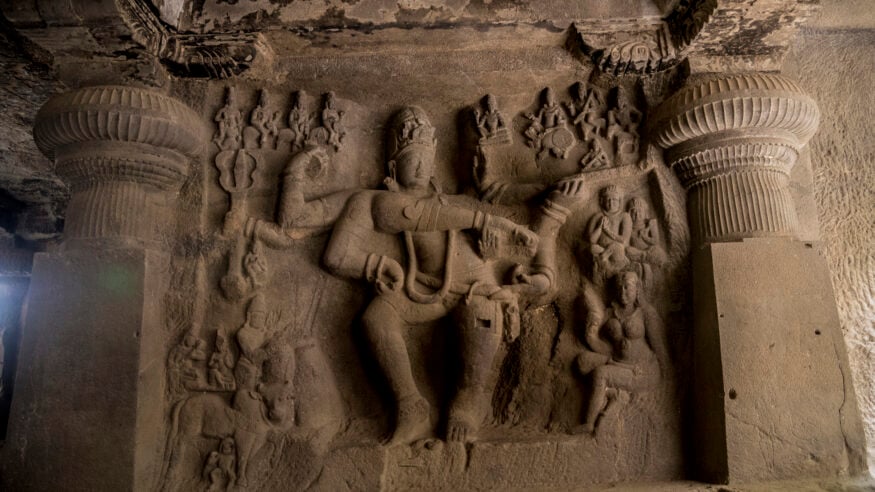
In ancient Hindu philosophy, a peaceful nature (shānti) and the absence of pride (nirmāna) are recognized as defining signs of true knowledge (jñāna). These qualities indicate not only intellectual insight but the internalization of spiritual principles, aligning thought, action, and inner being with universal truths. Read as a unified ethic across dharmic traditionsHinduism, Buddhism, Jainism, and Sikhismthis wisdom offers a calm, ego-light way of living that is both deeply practical and spiritually transformative.
Classical sources anchor these virtues with precision. The Bhagavad Gita presents humility (amanitvam) among the marks of knowledge (13.7–12) and celebrates freedom from vanity in “nirmāna-mohā” (15.5), describing a seeker who loosens attachment to the ego’s claims. The Upanishads reinforce this inner composure by urging steadiness of mind and disciplined inquiry, where self-knowledge grows only when pride subsides and clarity prevails. Together, these texts frame shānti and nirmāna as both method and measure on the path to jñāna.
Psychologically, shānti reduces reactivity and fosters discernment; humility opens the mind to correction, nuance, and learning. Contemporary insights on mindfulness echo this: a calm, non-defensive mind processes reality with fewer distortions, chooses right action (dharma) with less friction, and sustains relationships with greater trust. When pride recedes, listening improves, conflict softens, and compassion has space to work.
Everyday experience confirms the value of these virtues. In family life, a gentle response during disagreement preserves dignity for all. In professional settings, humility supports collaborative problem-solving and ethical decision-making. In community life, peace-oriented conduct diffuses tension and builds social cohesion. Across contexts, shānti stabilizes intention, while nirmāna prevents the subtle inflation of self that erodes wisdom.
This vision resonates across dharmic traditions and strengthens interfaith unity. In Buddhism, mettā (loving-kindness) and insight into anattā reduce ego-centered grasping, nurturing peace. In Jainism, aparigraha (non-possessiveness) and the contemplations known as the 12 bhavana soften attachment and pride, fostering equanimity. In Sikhism, nimrata (humility) and santokh (contentment) elevate service (seva) and inward calm. Within Sanatana Dharma, ahimsa and satya integrate non-violence and truthfulness with inner quietude. The shared ethic is clear: peace and humility are not optional graces but essential disciplines toward true knowledge.
Practical cultivation follows time-tested pathways. Steady meditation (dhyāna) and mindful breathwork (prāṇāyāma) calm the nervous system. Svādhyāya (study of scriptures), reflective journaling, and satsang (good company) refine understanding. Mantra japa focuses attention; seva reorients life toward others’ well-being; observing yamas–niyamas grounds conduct in ethical clarity. Taken together, these practices reduce agitation, dissolve vanity, and mature insight into stable wisdom.
Progress can be gauged through simple indicators: decreased impulsivity during stress, compassionate speech in disagreement, readiness to admit error, gratitude for learning, and a growing preference for truth over winning. As these signs strengthen, shānti becomes a baseline and nirmāna a natural disposition. The result is not withdrawal from life but a quieter, clearer presence within it.
Ultimately, shānti and the absence of pride function as both the pathway and the proof of jñāna. Rooted in the Bhagavad Gita and affirmed by the Upanishads, and harmonized with the ethical streams of Buddhism, Jainism, and Sikhism, these qualities offer a proven, integrative way to live wisely. When peace steadies the heart and humility lightens the ego, knowledge matures into understanding, and understanding ripens into a life aligned with dharma.
Inspired by this post on Hindu Blog.