Kruta Yugadi (Satya Yugadi) marks the traditional commencement of Kruta Yugam or Satya Yugam and is observed on Akshaya navami, the Kartik Shukla Navami day. In 2025, this observance falls on October 31. Within Hindu cosmology, Kruta or Satya Yuga is revered as the Golden Agea paradigm of dharma, satya (truth), and harmonymaking this date a culturally and spiritually significant point in the Karthika masam calendar.
Akshaya navami is widely associated with the idea of the inexhaustible (akshaya) merit of righteous actions. Across regions, the day is also identified with Amla Navami, reflecting practices such as reverence of the amla tree, charitable giving (dāna), community meals (annadānam), and temple visits. Positioned as the ninth lunar day of the bright fortnight of Kartik (Kartik Shukla Navami), it is regarded as an auspicious time to renew intentions, engage in study, and undertake self-disciplined observances aligned with Dharma.
In the cyclical understanding of time, the four yugasSatya (Kruta), Treta, Dvapara, and Kalirepresent moral and spiritual rhythms in human life. Kruta Yugadi (Satya Yugadi) symbolically re-centers attention on Satya Yuga’s ideals: ethical clarity, compassion, self-restraint, and societal well-being. These values resonate across the broader dharmic familyHinduism, Buddhism, Jainism, and Sikhismthrough shared commitments to truth, ahimsa, seva, and inner transformation, fostering unity without erasing the diversity of paths.
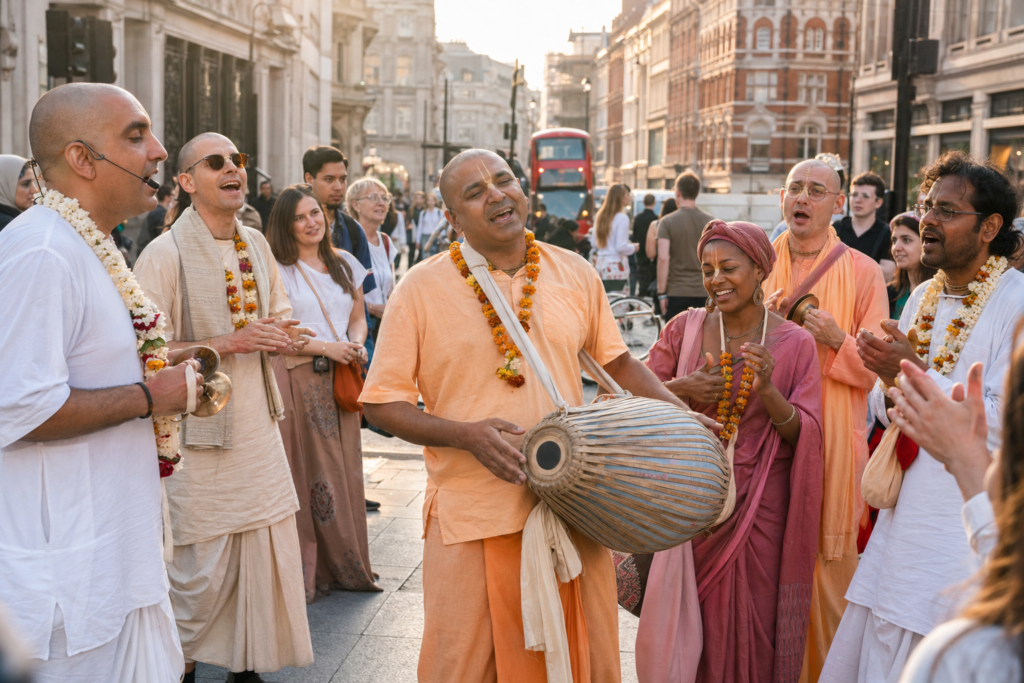
Customary observances vary by region and family tradition. Many households perform simple home puja, chant or study texts such as the Bhagavad Gita, practice meditation, and offer charity as acts of gratitude and social responsibility. In some locales, devotees honor the amla tree, undertake sacred walks (parikrama), or participate in river or pond snans, reflecting the day’s emphasis on purity, renewal, and auspiciousness. Community service initiativesfood distribution, educational support, or environmental careare also embraced as contemporary expressions of Dharma.
Regional traditions illuminate the day’s cultural richness. Agricultural communities may offer prayers for soil health and seasonal prosperity, while urban families often gather for collective satsangs, kirtans, or neighborhood seva. In the diaspora, observances frequently blend temple worship with interfaith goodwill, highlighting how Kruta Yugadi’s message of truth and harmony can cultivate social cohesion and cultural continuity across contexts.
For 2025 planning, families and communities can consult local panchang details to align observances with sunrise, local tithi timing, and regional muhurta preferences. Balanced observance might include mindful fasting, reflective study, and modest rituals that are sustainable and accessible. Such practices help translate the philosophical promise of the Golden Age into practical steps: honest speech, responsible action, and compassionate engagement with others.
Ultimately, Kruta Yugadi (Satya Yugadi) on October 31, 2025, invites a deliberate recommitment to dharmic living. By honoring satya, cultivating inner discipline, and extending kindness within and beyond one’s community, the spirit of the Golden Era is made present in daily life. This integrative outlookacademic in understanding and humane in applicationstrengthens shared values across dharmic traditions, affirming unity while respecting the plurality of spiritual practice.
Inspired by this post on Hindu Pad.