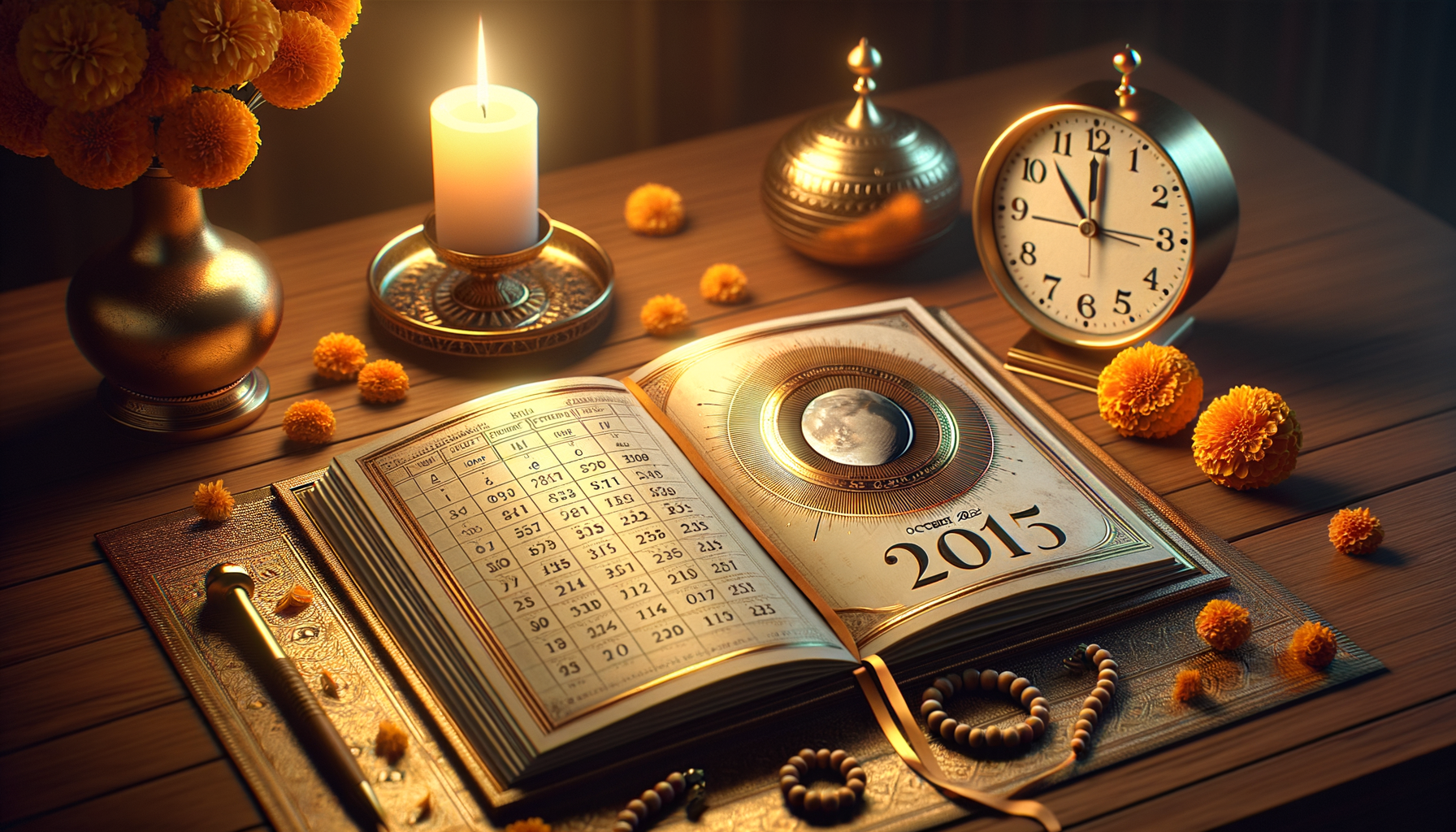
On Wednesday, October 22, 2025, the Panchang (Hindu Calendar) records Shukla Paksha Pratipada as the prevailing tithi in most regions. This marks the first lunar day of the waxing or light phase of the moon, a period traditionally associated with renewal, clarity, and forward momentum.
According to the tithi calculation, Shukla Paksha Pratipada continues until 6:17 PM on October 22. From that point onward, the lunar day transitions to Shukla Paksha Dwitiya, the second day of the waxing phase. As with all Panchang details, minor variations may occur based on locality and the regional almanac consulted.
The shift from Pratipada to Dwitiya offers a thoughtful rhythm to the day. Many practitioners align prayers, scriptural study, and calm household activities with Pratipada’s auspicious tone during the daytime, then ease into steady, routine-oriented tasks under Dwitiya in the evening. Such mindful scheduling reflects a lived connection to the Hindu way of life, where tithi awareness helps structure meaningful, sattvic choices.
This Panchang guidance supports a broader dharmic ethos shared across Hinduism, Buddhism, Jainism, and Sikhism. While observances differ by tradition and region, the lunar calendar fosters unity in spiritual pluralityencouraging respect for diverse practices while recognizing a common commitment to inner growth, ethical living, and community harmony.
For those seeking granular planning detailssuch as Nakshatra, Rashi, and locally relevant Good Time (muhurat) windowsconsulting a trusted regional Panchang or temple almanac is recommended. Factors like sunrise time, longitude, and community convention can adjust calculations, so local references ensure precision for rituals, study, or family events.
In summary, October 22, 2025 offers a clear, practical structure: Shukla Paksha Pratipada until 6:17 PM, followed by Shukla Paksha Dwitiya. Engaging the day with this awareness can help align intentions and activities with the waxing moon’s constructive energy while honoring the inclusive spirit of the wider dharmic traditions.
Inspired by this post on Hindu Blog.