Surutapalli Sri Pallikondeswara Swamy Temple in South India is widely revered for its sacred association with Pradosham, a twice-monthly observance dedicated to Lord Shiva. Tradition holds that formal Pradosham worship is closely linked with this shrine, where Shiva is uniquely enshrined as Pallikondeswararreclining in reposean iconography rarely seen in Hindu temples. The temple’s enduring ritual life, layered narratives, and cultural memory together sustain its distinction as a landmark of devotion and temple history.
As preserved in local sthala-purana accounts, the divine background of Pradosham resonates with the pan-Indic narrative of the Samudra Manthan (churning of the cosmic ocean). After consuming the Halahala poison to protect the cosmos, Shiva, venerated as Nīlakaṇṭha, is believed to have rested at Surutapalli upon Pārvatī’s lap. The twilight span known as Pradosha Kālaon the Trayodashi (13th lunar day) of each fortnightacquired special sanctity as a moment of relief, balance, and grace. Within this sacred frame, Surutapalli emerged as a focal point where devotees emphasize penance, gratitude, and renewal under Shiva’s compassionate gaze.
Pradosham observances at the temple align with established South Indian traditions: ceremonial abhishekam to the Shiva lingam, archana with Vedic mantras, and pradakshina around Nandi. The ritual accent is on ethical reflection and inner purificationdevotees seek release from obstacles and cultivate clarity for dharmic living. At Surutapalli Sri Pallikondeswara Swamy Temple, the presence of the reclining Shiva intensifies the liturgical focus on rest after crisis, reinforcing why this site occupies a special place in Pradosham worship across the region.
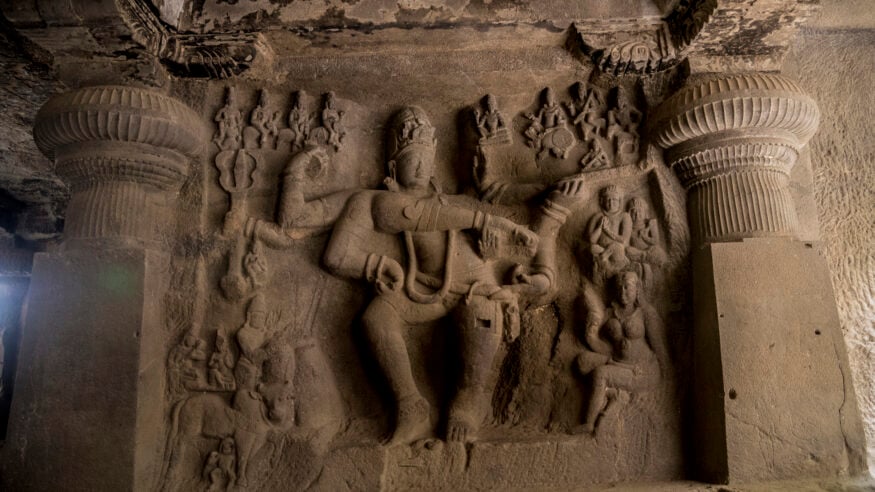
The Pallikondeswarar iconShiva in a reclined postureoffers a distinctive theological and aesthetic insight. While reclining imagery is commonly associated with Vishnu, its appearance here as Shiva underscores the theme of cosmic repose following protective action. The temple’s art-historical significance thus complements its ritual prominence, situating Surutapalli within the wider constellation of South Indian temples known for unique murtis, layered symbolism, and resilient traditions.
Visitors frequently describe a palpable stillness during Pradosha Kāla: incense rising in quiet spirals, the cadence of mantras, and the steady rhythm of bells produce a contemplative environment. Many report that the setting invites introspection and an ethical recalibrationan experience that is both emotionally grounding and intellectually resonant. Such responses illustrate how ritual form and sacred space cohere to shape a living heritage that continues to engage contemporary devotees and seekers alike.
In alignment with the unity of dharmic traditions, the values evoked during Pradoshamcompassion, self-restraint, mindfulness, and servicespeak to shared ethical horizons across Hinduism, Buddhism, Jainism, and Sikhism. The ritual’s emphasis on inner transformation and compassionate action reflects a common civilizational ethos that honors multiple paths while sustaining a culture of mutual respect. Surutapalli’s devotional life thus offers a model for harmony in spiritual diversity.
Geographically, the shrine lies near the Tamil Nadu–Andhra Pradesh border along the Chennai–Tirupati corridor, facilitating access for pilgrims from across South India. Pradosham occurs twice a monthduring both Shukla and Krishna Pakshatypically centered around the sunset window known as Pradosha Kāla. Observers often prepare through simple fasting, quiet reflection, and participation in temple services, aligning personal discipline with the communal rhythm of worship.
By uniting temple history, sacred narrative, and lived devotion, Surutapalli Sri Pallikondeswara Swamy Temple illustrates how cultural heritage endures through practice. The Pradosham tradition here offers a case study in how ritual innovation and continuity coexist, creating a powerful framework for ethical life and spiritual insight. For students of religion, cultural heritage enthusiasts, and devotees, Surutapalli remains a vital site to understand the depth, breadth, and harmony of South India’s sacred landscape.
Inspired by this post on Hindu Blog.