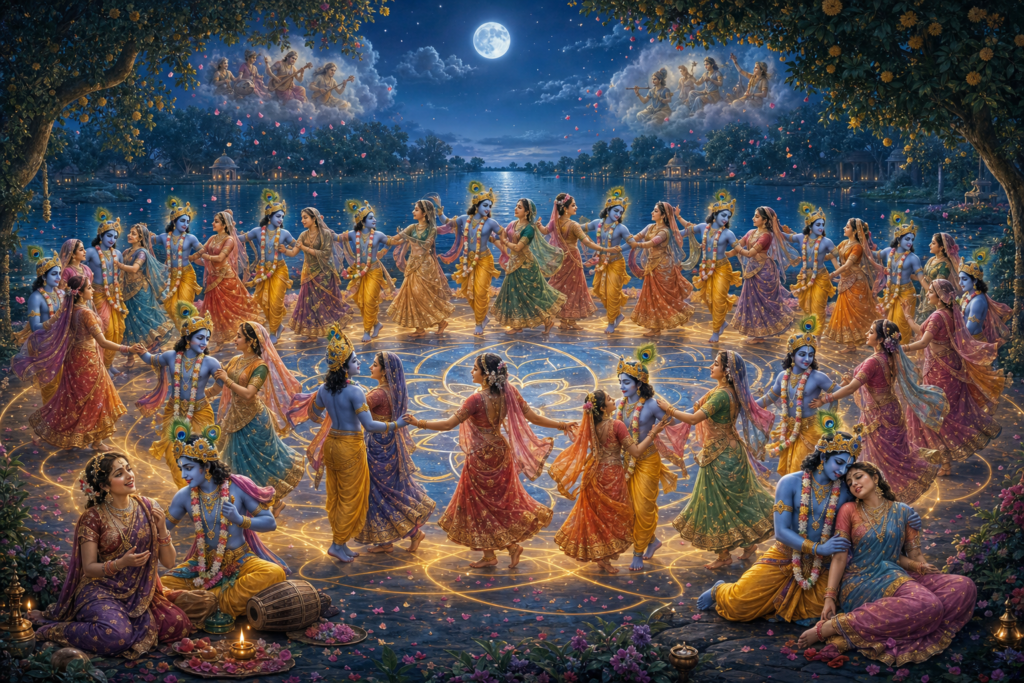
Poomala Bhagavathyalso known as Aryapoomala and Aryappunkaniis venerated as a protective and benevolent Hindu goddess in North Kerala. Devotional traditions attest to strong worship among the Thiyya community, with prominent temples located across Kannur and Kasaragod. Within Kerala culture, the deity’s presence anchors local temple life, seasonal observances, and folk expressions of bhakti.
Regional practice situates Poomala Bhagavathy within a living heritage that blends classical temple worship and community-centric customs. In some localities, festivals and folk performancesalongside ritual music and lampsunderscore the intimate bond between devotees and the goddess. These observances often align with the agrarian and coastal rhythms of North Malabar, allowing communal devotion to unfold in ways that are both traditional and welcoming.
According to legend, while enjoying the celestial garden with companions, Poomala Devi beheld the needs of devotees and extended her grace to the human realm. Oral narratives emphasize qualities of guardianship, compassion, and auspiciousness, inviting prayers for well-being, harmony, and prosperity. Such stories, transmitted through family memory and temple lore, carry emotional weight for many households in Kannur and Kasaragod.
Worship practices dedicated to Poomala Bhagavathy typically include simple offerings, collective singing, and reverential circumambulation. In some regions, the devotional landscape intersects with local ritual arts such as Theyyam, where the sacred and the communal merge through color, sound, and story. While the Thiyya community has historically maintained key rituals, devotees from diverse backgrounds participate with equal reverence, reflecting the inclusive spirit of Kerala tradition.
Temples of Aryapoomala in Kannur and Kasaragod serve as cultural waypoints for visitors seeking an authentic experience of Kerala’s sacred geography. Observing customary etiquettemodest attire, mindful silence near sanctums, and respectful participationenriches the experience and preserves the sanctity of the space. Many travelers also engage with local elders and temple caretakers to learn about seasonal festivals, thereby supporting knowledge preservation through attentive listening and documentation.
The significance of Poomala Bhagavathy also resonates with the broader dharmic ethos shared across Hinduism, Buddhism, Jainism, and Sikhismhonoring compassion, self-discipline, and service to the community. This inclusive orientation strengthens unity among dharmic traditions, celebrating diversity in worship while affirming shared ethical foundations. In this light, Aryapoomala is appreciated not only as a regional goddess but also as a symbol of nurturing strength and communal harmony.
For cultural heritage enthusiasts, Poomala Bhagavathy’s worship offers insight into Kerala culture, temple history, and the interplay of folk and classical traditions. Respect for local custodianship, combined with thoughtful documentation and intergenerational dialogue, can help sustain these practices for future devotees and researchers. In Kannur and Kasaragod alike, the living devotion to Aryapoomala continues to inspire, protect, and connect communities through sacred memory and everyday faith.
Inspired by this post on Hindu Pad.