
Tuesday, July 14, 2026. This curated archive brings together 14 Vaishnava resources from Dandavats.com, its daily-post stream, and associated video channels. Six entries center on passages from the Srimad-Bhagavatam, four preserve the life and teachings of Srila Bhaktivinoda Thakura, and four document educational or anniversary events within the global ISKCON community. The result is more than a list of links: it is a compact record of how Krishna consciousness is studied, remembered, taught, and renewed across generations.
The collection’s deeper value emerges when its parts are read together. Scriptural classes examine self-realization, spiritual aspiration, contentment, remembrance, anger, and divine love. Historical materials connect those themes to the disciplined life of Srila Bhaktivinoda Thakura. Educational and anniversary programs then ask how inherited wisdom can remain intellectually serious, spiritually transformative, and socially meaningful as ISKCON enters its seventh decade.
An academically responsible reading must distinguish between what each feed card explicitly states and what can be established from the underlying scripture or institutional record. Several cards contain only a title and thumbnail, without an abstract or transcript. Accordingly, this guide explains the documented context of each cited verse and event without attributing unverified arguments to a speaker. That distinction preserves both readability and source integrity.
Scriptural study: six entry points into a connected theology
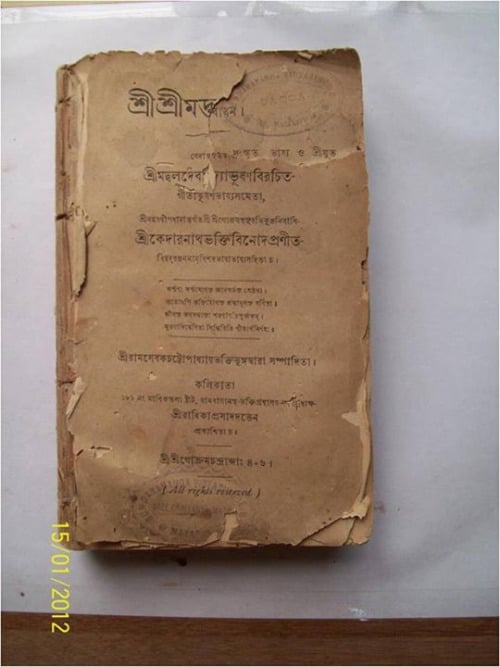
The class titled 2026.06.27 – SB 3.24.37. Depending on higher experience (Rishikesh) – Bhakti Vijnana Goswami is anchored in a verse spoken by Kapila. In Srimad-Bhagavatam 3.24.37, Kapila explains that a difficult path of self-realization had become obscured over time and that he appeared to restore its explanation. Within the text’s own theological framework, Sāṅkhya is therefore presented as recovered knowledge rather than a newly invented theory.
The phrase “Depending on higher experience” adds an important epistemological question. Higher experience need not mean private emotion elevated above reason. In a disciplined Vaishnava framework, a spiritual claim is evaluated through scriptural testimony, instruction received through a recognized lineage, sustained practice, and the ethical or contemplative transformation visible in a practitioner’s life. Experience becomes reliable when it is interpreted and tested, not merely asserted.
Srimad Bhagavatam Class on 2.3.8 by Vijaya prabhu at BYS ISV addresses a verse that maps forms of worship to different desired outcomes. Srimad-Bhagavatam 2.3.8 distinguishes the pursuit of spiritual advancement through Lord Viṣṇu or his devotee from worship directed toward protection, strength, ancestry, or other finite aims. The passage functions as a taxonomy of intention: it asks not only whether worship occurs, but what the worshipper ultimately seeks.
That taxonomy can be understood without turning theological difference into disrespect. The verse acknowledges a plural sacred universe while establishing a Vaishnava hierarchy of goals. Within a blog committed to unity among Hindu, Buddhist, Jain, and Sikh traditions, the most constructive reading is comparative rather than combative. Dharmic traditions may define liberation, devotion, duty, and ultimate reality differently while still sharing disciplines of self-restraint, compassion, truthfulness, and serious inquiry.
The recording titled His Grace Mukunda Datta Prabhu || SB-11.03.25|| 14-06-2026 points to a demanding meditation on simplicity. Srimad-Bhagavatam 11.3.25 describes continuous awareness of the self as conscious and enduring, recognition of the Lord as the supreme controller, freedom from possessiveness, and contentment under changing material conditions. Its commentary also qualifies the ideal of solitude: in the present age, constructive association with Vaishnavas is preferable to isolation that weakens psychological or spiritual stability.
This qualification makes the verse especially relevant to contemporary life. Detachment is not negligence, social withdrawal, or hostility toward family. It is the reduction of false ownership and compulsive dependence. A practitioner may care for a home, career, body, and community while refusing to treat any temporary arrangement as the complete self. Contentment then becomes trained freedom: circumstances still matter, but they no longer possess absolute authority over identity.

SB 1.6.24 HH Janananda Goswami Maharaja #iskcon #harekrishna #srimadbhagavatam #sanatandharma enters the early history of Nārada. In Srimad-Bhagavatam 1.6.24, the Lord assures Nārada that intelligence fixed in devotion will not be defeated and that remembrance will endure even through cosmic creation and dissolution. The theological claim is one of continuity: sincere devotional formation is not wasted when external conditions change.
For readers who have experienced interrupted practice, the verse carries unusual emotional force. A period of distraction does not automatically erase every earlier act of study, service, prayer, or chanting. Habits still require renewal, and memory still requires cultivation, but the Bhāgavata presents devotion as cumulative rather than disposable. This provides a sober form of hope—one grounded in perseverance instead of instant perfection.
The class Srimad Bhagavatam class I 8.19.13 I HG Vaiyasaki dasa turns to the psychology of sustained hostility. Srimad-Bhagavatam 8.19.13 associates anger and enduring enmity with ignorance, false ego, and bodily identification, using Hiraṇyakaśipu as its extreme case. The verse does not reduce every conflict to mood management; it identifies a mechanism through which grievance becomes fused with identity and continues long after its original cause.
Read as ethical psychology, the passage encourages a sequence of examination. A person first identifies the injury, then separates factual accountability from egoic humiliation, and finally asks whether anger is serving justice or merely reproducing itself. Forgiveness need not cancel boundaries, due process, or protection from harm. Its spiritual significance lies in preventing another person’s conduct from permanently governing the injured person’s consciousness.
The sixth scriptural resource, 1793: The Highest Transcendence Through Passionate Love | The Rāsa Dance Begins, moves into the opening of the Rāsa narrative. The archive gives no metadata explaining the number 1793, so it should not be treated as a historical date. The relevant scriptural setting is Srimad-Bhagavatam, Canto 10, Chapter 29, where Krishna plays his flute on an autumn night and the gopīs approach him in complete absorption.

The chapter explicitly situates the episode under Krishna’s internal spiritual potency, as seen in Srimad-Bhagavatam 10.29.1. This detail is essential to its interpretation. The Rāsa narrative is not presented as ordinary romance, a social license, or conduct available for imitation. Gaudiya Vaishnava theology reads it as an account of divine reciprocity and radical self-giving in which material possessiveness is absent. “Passionate love” therefore describes intensity purified of exploitation, not passion left morally undisciplined.
Together, the six scriptural entries form a coherent progression. Lost knowledge must be restored; desire must be examined by its goal; contentment must loosen possessiveness; devotional memory must be protected; anger must be disentangled from ego; and love must be distinguished from imitation or consumption. The sequence moves from correct understanding to transformed consciousness, showing why Bhāgavata study is intended to be formative rather than merely informational.
Srila Bhaktivinoda Thakura: manuscripts, biography, memory, and discipline
Four entries commemorate Srila Bhaktivinoda Thakura, whose disappearance observance gives this archive a strong historical center. The cluster includes photographs of his handwriting, a biographical survey, a recorded memorial lecture, and a presentation of his final regulative principles. These sources represent four different kinds of evidence: physical artifacts, devotional biography, reception history, and a normative spiritual text.
The Life of Srila Bhaktivinoda Thakur presents Srila Bhaktivinoda Thakura (1838–1914), born Kedarnatha Datta, as a householder, magistrate, scholar, poet, publisher, and major preceptor in modern Gaudiya Vaishnavism. The linked account emphasizes his literary work, devotional songs, public teaching, and efforts to make Lord Chaitanya’s teachings accessible in India and abroad. It also places him in the lineage preceding Bhaktisiddhanta Saraswati Thakura and Srila Prabhupada.
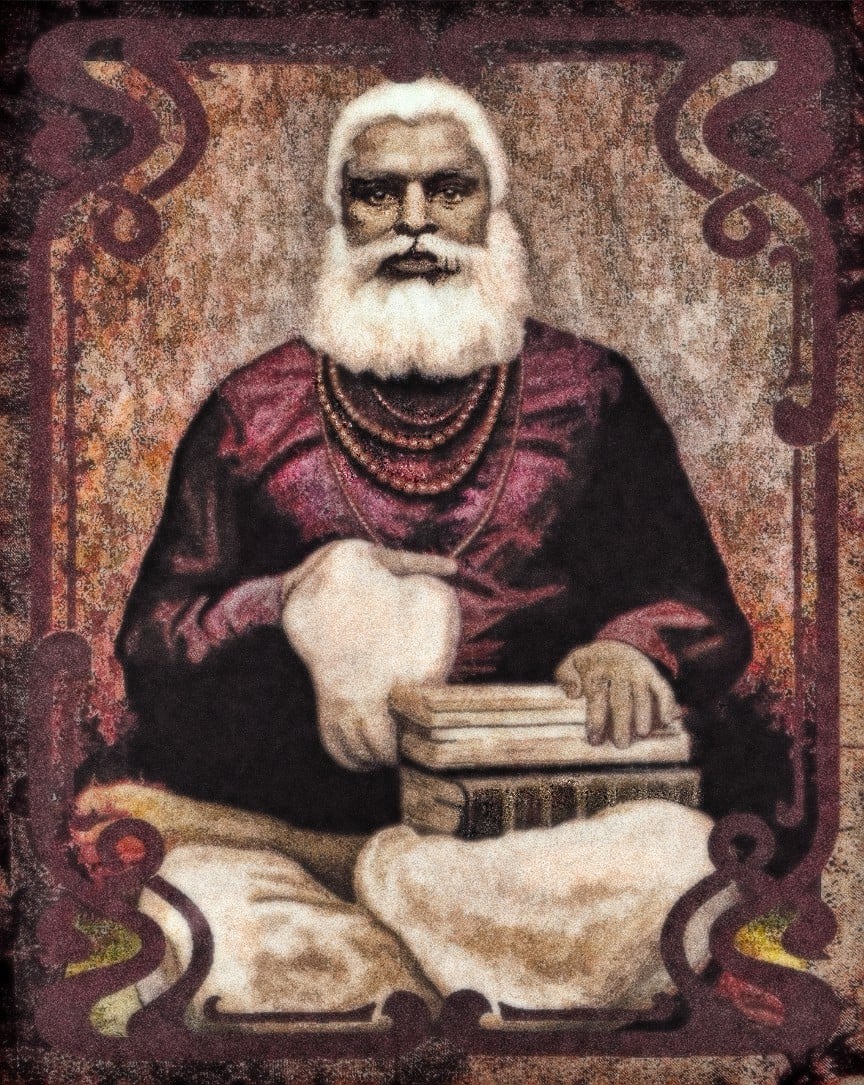
The same Vaishnava biography credits him with sending The Life and Precepts of Lord Chaitanya to overseas university libraries, developing journals and printing projects, and helping identify Lord Chaitanya’s birthplace in the Navadwipa region. These claims are historically important, but their genre should remain visible. A devotional biography communicates how a community remembers an acharya; independent archival research can then examine dates, correspondence, editions, maps, and institutional records in greater detail.
Photos of original handwritings of Srila Bhaktivinoda, compiled in connection with the Bhaktivedanta Research Centre, add a material dimension to that memory. Handwritten pages can reveal corrections, composition practices, orthography, page organization, and the physical conditions under which a text was produced. Images are not substitutes for provenance records, catalog descriptions, dating, or conservation data, but they allow readers to encounter a devotional legacy as a history of actual documents rather than disembodied quotations.
This is where manuscript studies and devotional preservation meet. A manuscript can be revered as an artifact associated with a saint while also being examined through codicology, palaeography, textual comparison, and conservation science. Respect and critical method are not enemies. Careful cataloguing can strengthen cultural heritage by making later claims verifiable and by protecting fragile evidence from loss, accidental alteration, or decontextualized circulation online.
Srila Bhaktivinoda Thakura disappearance links to a lecture delivered by HH Tamal Krishna Goswami in Dallas on 11 July 1991. The feed excerpt establishes the occasion and speaker but does not provide enough detail to summarize the lecture’s arguments responsibly. Its presence nevertheless demonstrates how a disappearance observance functions as communal pedagogy: biography is retold, teachings are reapplied, and lineage memory becomes part of present practice.
In Vaishnava usage, a disappearance day is not treated merely as the anniversary of a biological death. It is a reflective observance centered on service, teachings, and the continuing influence of an acharya. The emotional tone can combine grief, gratitude, reverence, and renewed responsibility. Such remembrance is most durable when affection is joined to historical care rather than reduced to generalized praise.
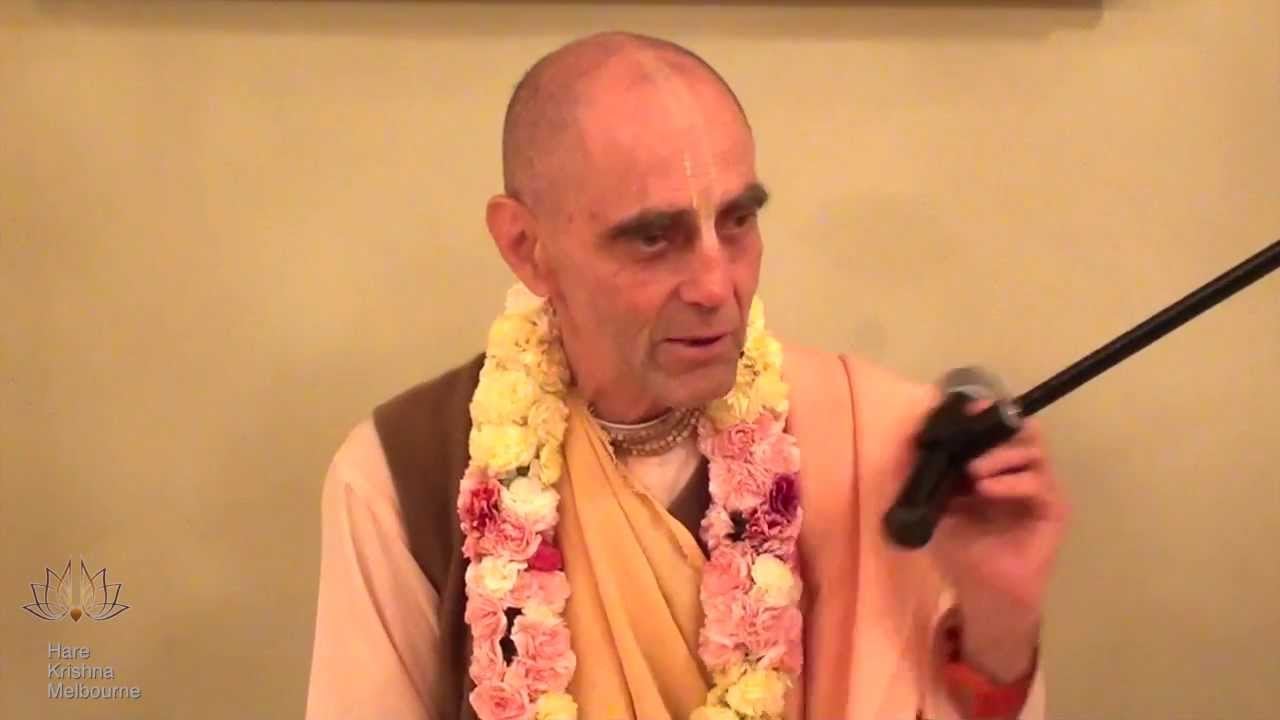
The last instructions of Srila Bhaktivinoda Thakura presents the Sva niyama dasakam as 12 self-imposed regulative principles. The sequence expresses attachment to guru, Sri Gauranga, the holy name, sacred places, Vaishnava observances, devotees, and the Srimad-Bhagavatam. It also rejects spiritual disciplines when they become detached from loving service and emphasizes a life organized around remembrance rather than prestige or accumulation.
Among the text’s most broadly applicable ethical qualities are humility, simplicity, tolerance, respect for others, and compassion toward living beings. These qualities are not decorative sentiments. They regulate how conviction is communicated. Within a plural dharmic environment, strong commitment to a particular lineage can coexist with civility and protection of other traditions because disciplined devotion does not require contempt for another community’s sincere path.
Srila Bhaktivinoda Thakura’s household and professional responsibilities make this cluster especially relatable. His remembered life resists the assumption that spiritual seriousness belongs only to institutional renunciants. Administration, family life, scholarship, publishing, and devotional discipline can become mutually informing fields of service. The standard is demanding, but the example speaks directly to readers who must cultivate an interior life while meeting public and domestic obligations.
Technically, the four Bhaktivinoda resources should be read in combination. The biography supplies narrative chronology; the manuscript images supply material evidence; the memorial lecture shows later interpretation; and the regulative text communicates an ideal of practice from within the tradition. No single source answers every historical or theological question, but together they offer a more complete model of cultural preservation.
Viplavah 2026 and the infrastructure of Vaishnava education

The archive includes both ISKCON MOE Symposium Viplavah 2026 and the accompanying featured video, ISKCON MoE: Viplavah PAN America 2026. The ISKCON Ministry of Education states that Viplavah began in 2019 as an annual international symposium through which educators share knowledge acquired through sustained practice. This gives the event a professional as well as devotional purpose.
The PAN America Mini-Symposium 2026 was scheduled as a two-hour virtual gathering on Friday, 10 July 2026, bringing together participants from North, Central, and South America. The announced speakers were Hanumatpreshak Swami, Karunanidhi Das, Param-padam Das, Suniti Devi Dasi, Tapan-Mishra Das, with Balimardana Das as host. Its placement in the 14 July archive turns a recent live event into a retrievable educational record.
A mature Vaishnava educational system requires more than eloquent lectures. It needs clear learning outcomes, appropriate curriculum sequencing, trained teachers, reliable assessment, accessible materials, and methods suited to different ages and cultural settings. The Ministry’s institutional role includes supporting collaboration, educational standards, assessment, accreditation, and the needs of Krishna-conscious families. Viplavah provides a forum in which local experience can contribute to that wider system.
Digital delivery creates both reach and technical responsibility. A live stream can connect geographically dispersed educators, but durable learning also depends on accurate titles, speaker metadata, captions, transcripts, chapter markers, stable links, and searchable archives. Accessibility measures benefit multilingual audiences, people with hearing differences, and learners who cannot participate synchronously. Preservation is therefore part of pedagogy rather than an afterthought.
At the same time, audience size should not be confused with educational effectiveness. View counts reveal exposure, not comprehension or application. Strong evaluation asks whether participants gained usable knowledge, formed professional relationships, adapted an initiative responsibly, or improved a local program. This distinction between distribution and demonstrated learning is crucial for any global religious education network.
ISKCON at sixty: legal memory, living purpose, and the next institutional horizon
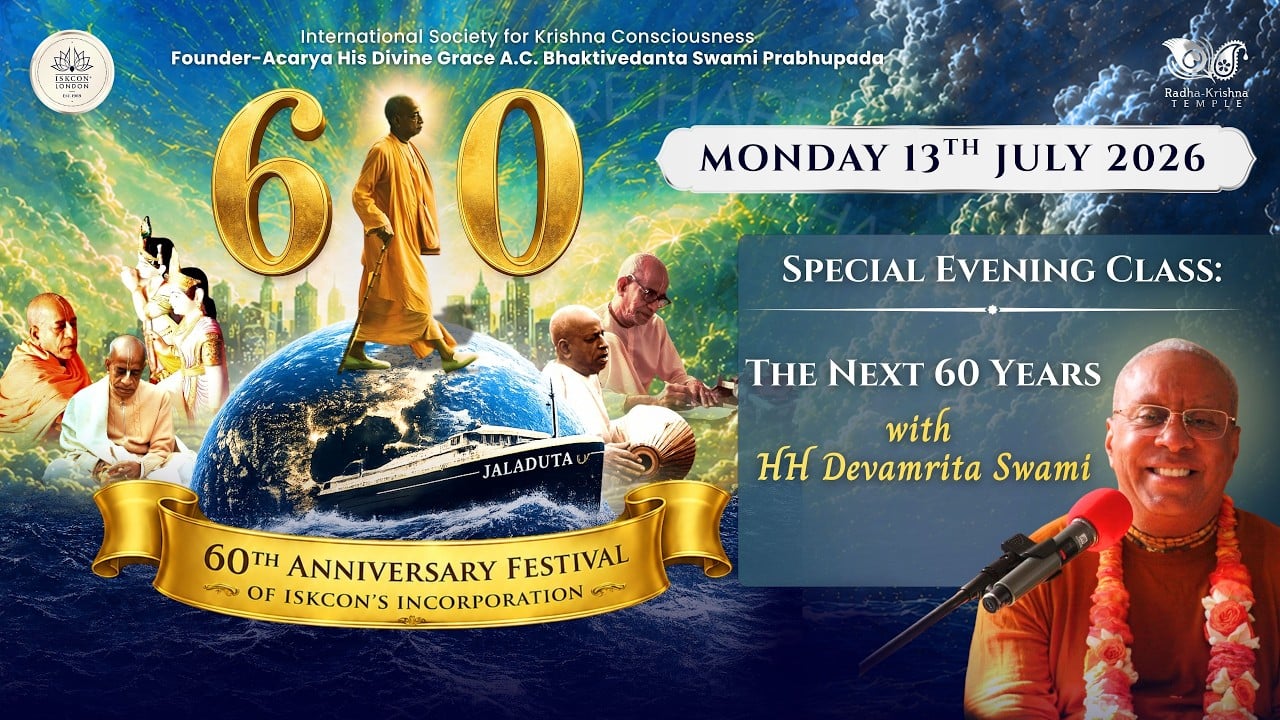
Two final cards situate the archive at a historic threshold: The Next 60 Years | ISKCON’s 60th Anniversary Special Evening Class with HH Devamrita Swami and Bhaktivedanta Manor Presents: ISKCON 60th Anniversary Celebration – 13th July 2026. Their date is precise. ISKCON was incorporated in New York on 13 July 1966, making 13 July 2026 its sixtieth anniversary.
The historical record notes that Srila Prabhupada signed incorporation papers on 11 July and received the certificate on 13 July 1966. The society emerged from the small community associated with 26 Second Avenue, yet its legal charter articulated purposes intended for international application. The ISKCON Constitution FAQ identifies the seven purposes with the original incorporation document and explains that Srila Prabhupada selected and approved their wording.
Legal incorporation did not create Krishna bhakti, but it gave an emerging community an institutional vessel. That distinction matters after sixty years. A spiritual tradition depends on revelation, practice, teachers, and community; an international institution also requires governance, succession, education, archives, ethical accountability, and care for people and property. Neither dimension can safely substitute for the other.
The title The Next 60 Years invites evaluation, although the feed card alone cannot establish every point made by HH Devamrita Swami. The most relevant questions concern fidelity and adaptation: how can teachings remain recognizable while language and media change; how can global standards coexist with regional intelligence; how can leadership formation include both scriptural competence and ethical maturity; and how can institutional growth remain connected to personal spiritual practice?
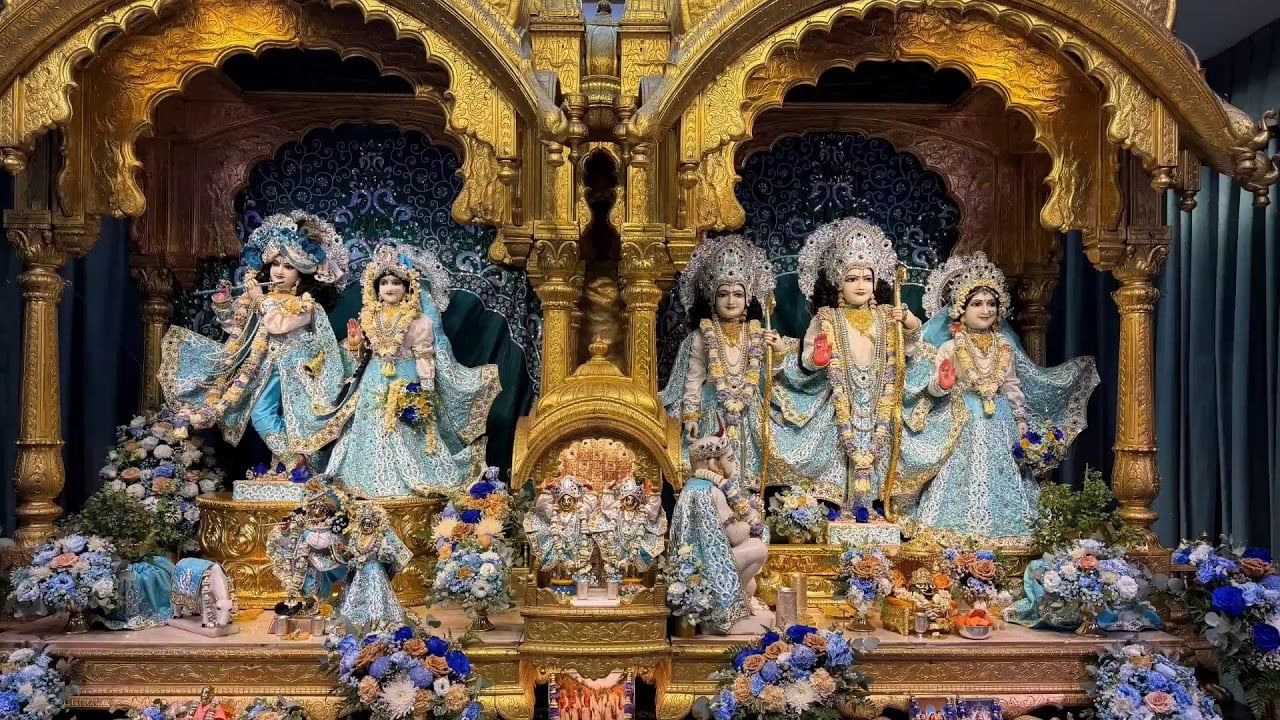
The Bhaktivedanta Manor celebration supplies the complementary language of commemoration. Anniversaries create shared emotion through kirtan, discourse, memory, and community gathering, but their lasting value depends on what follows. Gratitude becomes institutional responsibility when it strengthens education, preserves records, cares for vulnerable members, supports serious practice, and communicates respectfully across cultures.
The anniversary was also observed in the movement’s birthplace. The documented ISKCON 60th Anniversary Week in New York connected senior memories, daily chanting, classes, and historical locations around 26 Second Avenue. London and New York thus represent the archive’s recurring pattern: local communities preserve particular histories while participating in a transnational religious network.
How to use this archive with rigor
The 14 entries support three distinct reading routes. The scriptural route follows six classes and develops a conceptual sequence from self-realization to divine love. The heritage route follows four Bhaktivinoda resources and compares artifact, biography, memorial interpretation, and normative instruction. The institutional route follows four education and anniversary resources to examine how a devotional movement teaches, preserves memory, and plans for continuity.
The metadata requires attention. The archive is dated 14 July 2026, but individual titles include 27 June 2026 and 14 June 2026. These are not necessarily contradictions: a weekly feed may record the date of curation or republication rather than the date on which a lecture occurred. Researchers should preserve both fields—original event date and archive date—rather than silently replacing one with the other.
A reliable study procedure begins by recording the speaker, venue, date, and cited verse. The reader then examines the verse within its full chapter, distinguishes translation from commentary, listens to the complete class where available, notes the speaker’s actual thesis, and separates that thesis from personal reflection. Historical claims should be checked against manuscripts, dated publications, correspondence, institutional records, or multiple independent accounts whenever possible.
A study group can apply the same method without making the process burdensome. One participant can summarize the chapter context; another can identify the lecture’s interpretive moves; a third can test how the teaching relates to contemporary life; and a fourth can note questions requiring further evidence. This structure protects discussion from becoming either passive consumption or ungrounded opinion.
The collection ultimately demonstrates that tradition remains alive through disciplined transmission. Scripture supplies conceptual foundations, acharyas embody and interpret them, manuscripts preserve intellectual labor, memorial observances renew gratitude, educational networks train future teachers, and anniversaries force institutions to examine their direction. Each layer corrects a weakness in the others: devotion gains historical depth, scholarship gains lived context, and institutional planning gains a moral center.
Its broader dharmic relevance lies in the union of conviction and respect. Vaishnava teachings can be presented accurately and confidently while recognizing that Hindu, Buddhist, Jain, and Sikh communities possess their own authoritative texts, disciplines, teachers, and histories. Unity does not require erasing difference. It requires truthful representation, non-hostile dialogue, shared protection of cultural heritage, and cooperation around ethical life.
Viewed in this way, the July 14 archive is not a disposable stream of devotional media. It is a layered curriculum in scripture, memory, education, and responsibility. Its strongest benefit is the opportunity to move from clicking to studying, from admiration to preservation, and from anniversary sentiment to thoughtful service as ISKCON begins its next sixty years.
← Explore the previous weekly archive
Inspired by this post on Dandavats.





Leave a Reply
You must be logged in to post a comment.