
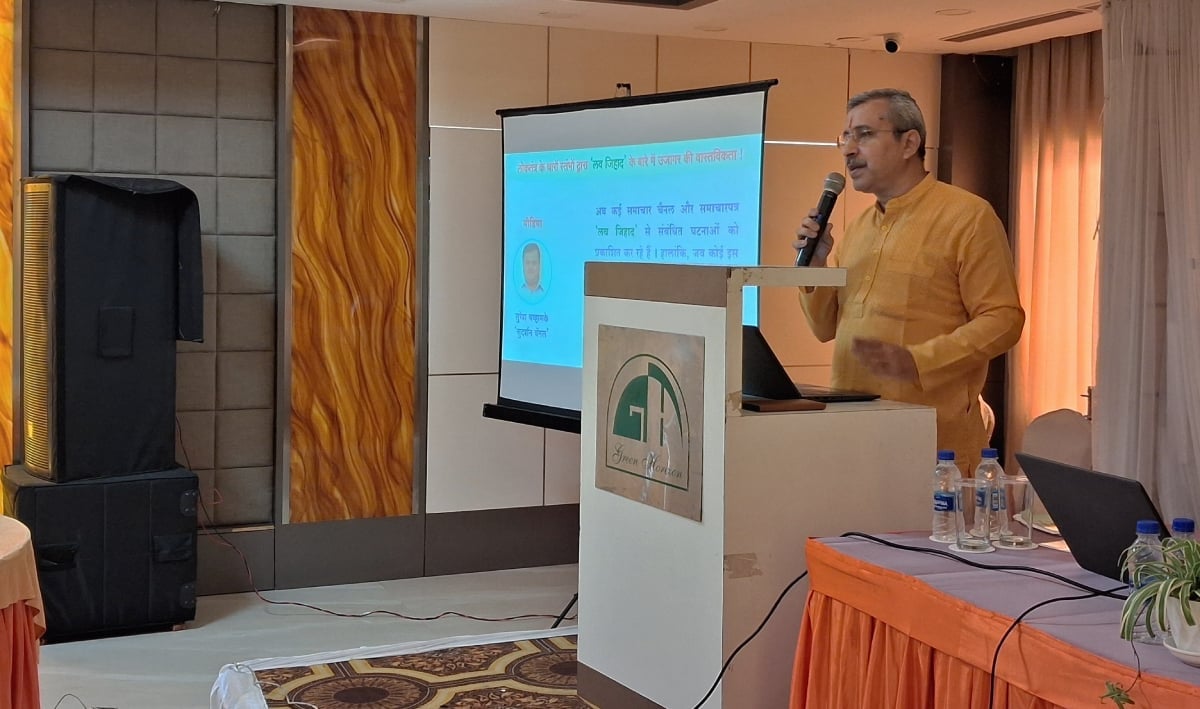
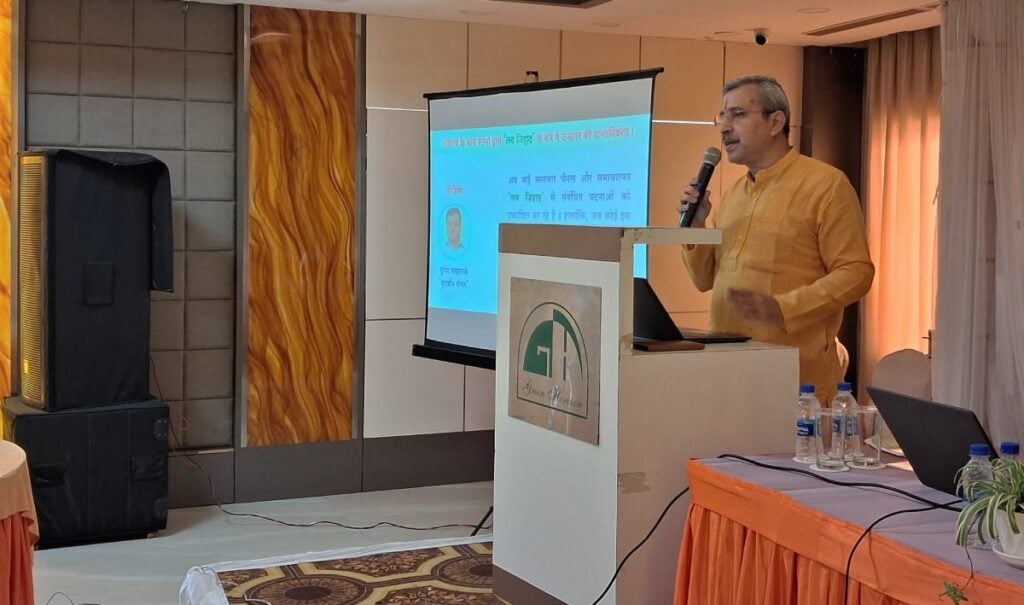
The Hindu Rashtra-Jagruti Abhiyan conducted by the Hindu Janajagruti Samiti in Jharkhand represents a focused effort to strengthen Hindu unity, youth awareness, and community-level engagement across Ranchi, Dhanbad, and Katras. The outreach included lectures, meetings, spiritual guidance sessions, and interactions with prominent community leaders, indicating a campaign designed not merely as a public gathering but as a structured initiative for social, cultural, and dharmic mobilisation.
In an academic reading, the significance of such an event lies in its layered method of communication. Public lectures provide ideological clarity, small meetings allow direct dialogue, spiritual guidance sessions address the ethical and inner dimensions of civic responsibility, and community interactions help translate abstract ideas into local participation. Together, these components form a model of religious and cultural advocacy rooted in both public discourse and personal transformation.
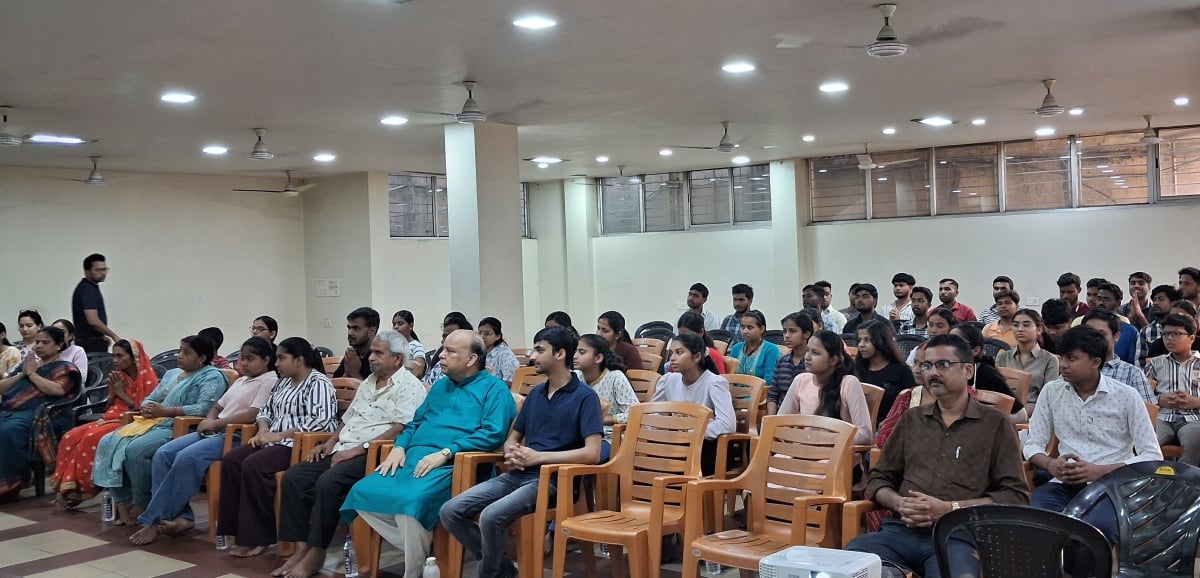
Jharkhand offers a particularly important setting for this kind of outreach. Ranchi, as the state capital, carries administrative and educational influence; Dhanbad, with its industrial and working-class character, reflects the social pressures of migration, labour, and urbanisation; and Katras, closely linked with the coal belt, represents the everyday concerns of families, youth, traders, and local networks. By moving through these locations, the Hindu Janajagruti Samiti appears to have addressed different layers of society rather than limiting the campaign to one urban audience.
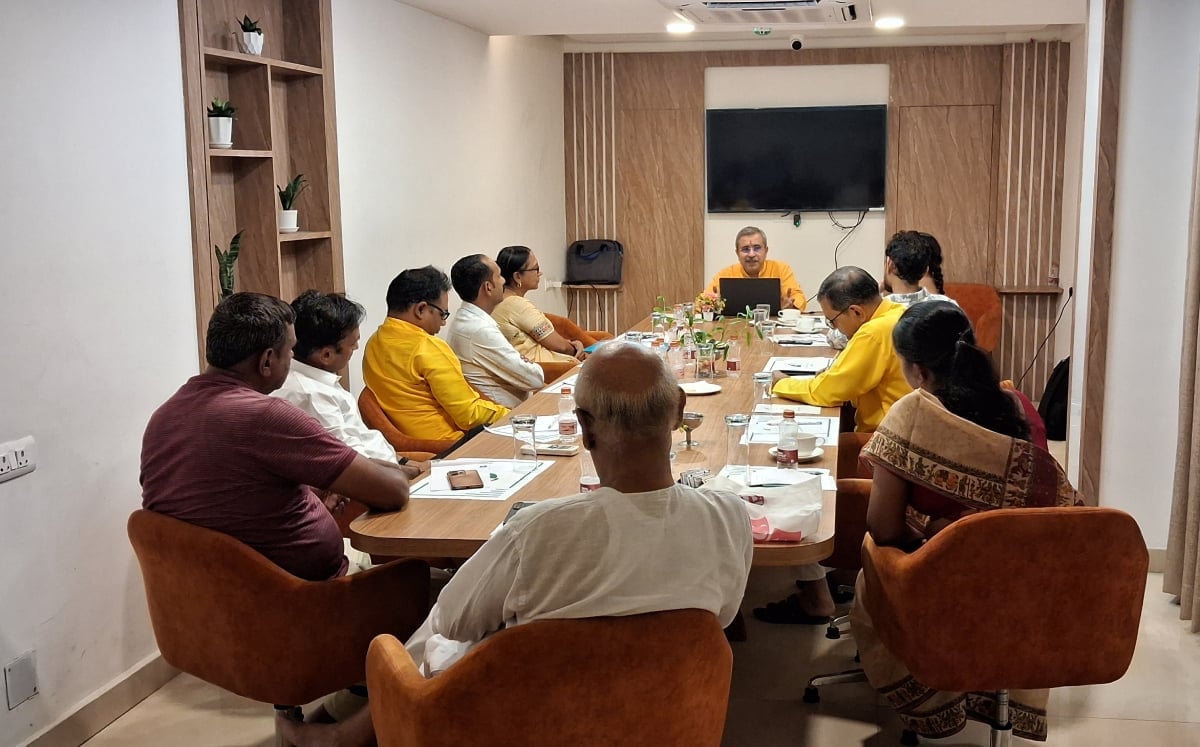
Sadguru Nilesh Singbal’s guidance to youth is central to the report because younger generations often stand at the intersection of identity, modern aspiration, social media influence, peer pressure, and family expectations. In such a context, guidance framed through Hindu Dharma and Sanatan Dharma can serve as a call for self-discipline, ethical clarity, cultural confidence, and responsibility toward society. Youth engagement becomes especially meaningful when it moves beyond slogans and encourages study, service, restraint, and informed participation.
The reference to “love jihad” should be understood with care and precision. Organisers commonly use the phrase to describe concerns about alleged deceptive relationship-based religious conversion, particularly where questions of consent, coercion, identity concealment, or family distress are raised. A factual and dharmic approach requires that such concerns be addressed through legal awareness, evidence, counselling, community vigilance, and respect for due process, rather than through stereotyping or hostility toward any entire community.
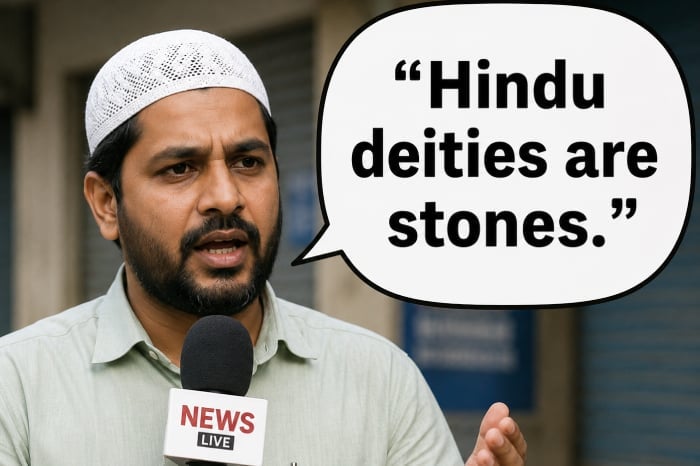
This distinction is essential because the purpose of dharmic mobilisation should be protection without hatred and unity without aggression. Hindu society, along with the wider family of dharmic traditions including Buddhism, Jainism, and Sikhism, has historically placed great emphasis on ethical conduct, self-restraint, truthfulness, and respect for spiritual diversity. Any campaign that seeks long-term social credibility must therefore align cultural awareness with compassion, discipline, and lawful conduct.
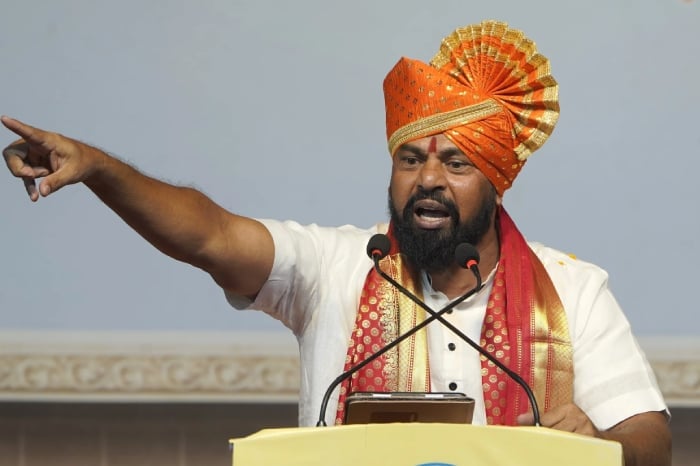
The broader theme of Hindu unity also deserves careful attention. Hindu unity is not a demand for uniformity; it is a recognition that diverse sampradayas, regional customs, family traditions, temple practices, languages, and philosophical paths can still share a civilisational foundation. Unity in this sense means mutual respect among Shaiva, Vaishnava, Shakta, Smarta, folk, tribal, and regional traditions, as well as goodwill toward other dharmic communities that have shaped India’s spiritual and cultural heritage.
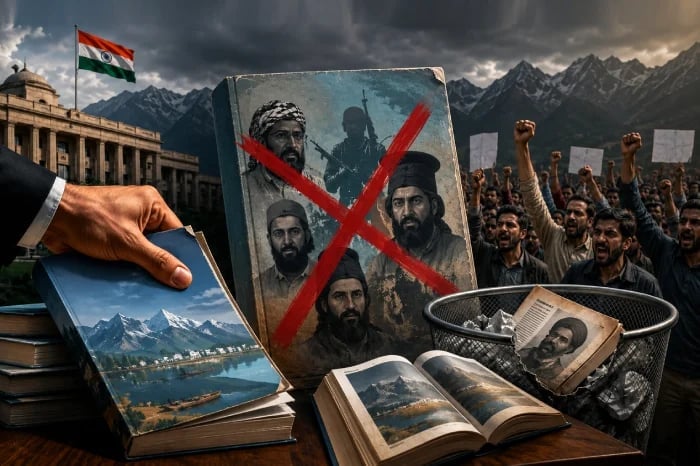
Community leaders play a crucial role in such outreach because cultural renewal cannot be sustained by lectures alone. Local leadership gives continuity to public awareness, helps families understand legal and social challenges, supports youth mentoring, and builds channels for peaceful cooperation. When leaders from different sectors participate, the campaign gains practical value: concerns can be discussed, responsibilities can be assigned, and community confidence can be strengthened through organised follow-up.
The spiritual guidance component is especially relevant in a time when public discourse often becomes reactive and polarised. Spiritual instruction can redirect attention from fear toward inner strength, from anger toward disciplined action, and from fragmented identity toward dharmic responsibility. For many families, this emotional dimension matters deeply because social questions are not experienced as abstract policy issues; they touch children, marriage, education, neighbourhood trust, and the continuity of inherited values.
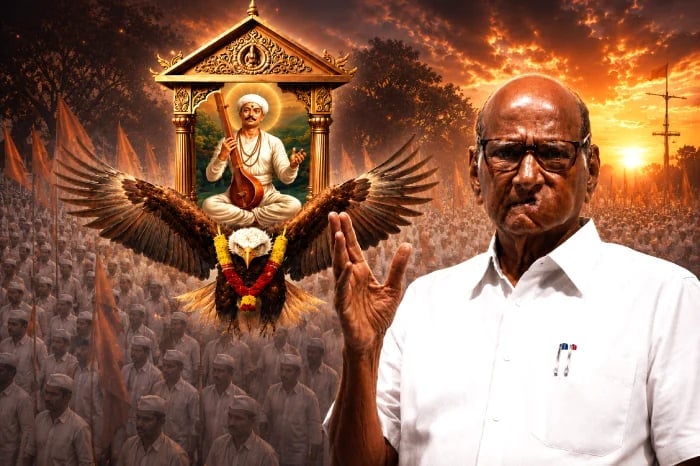
At the same time, an academic and factual treatment must avoid exaggeration. The available report identifies the locations, the organiser, the broad nature of the events, and the participation of community figures, but it does not provide detailed attendance figures, verbatim speeches, resolutions, or measurable outcomes. Therefore, the most accurate assessment is that the campaign functioned as a regional awareness and mobilisation effort rather than as an event whose long-term impact can yet be quantified.

The campaign’s importance lies in the questions it raises for contemporary Hindu society: how should young people be educated about dharma in a modern environment, how can families discuss sensitive social issues without panic, how can cultural identity be preserved without isolating communities, and how can unity be built across caste, region, language, sect, and economic background? These questions are not limited to Jharkhand; they resonate across India and the Hindu diaspora.
A constructive Hindu Rashtra-Jagruti Abhiyan, understood in its cultural and civilisational sense, must therefore combine awareness with responsibility. It should encourage study of Hindu scriptures, respect for temples and traditions, protection of women and families through lawful means, youth empowerment through character-building, and cooperation among dharmic traditions. When framed this way, the campaign becomes not only a call for vigilance but also an invitation to rebuild social trust, cultural literacy, and spiritual confidence.
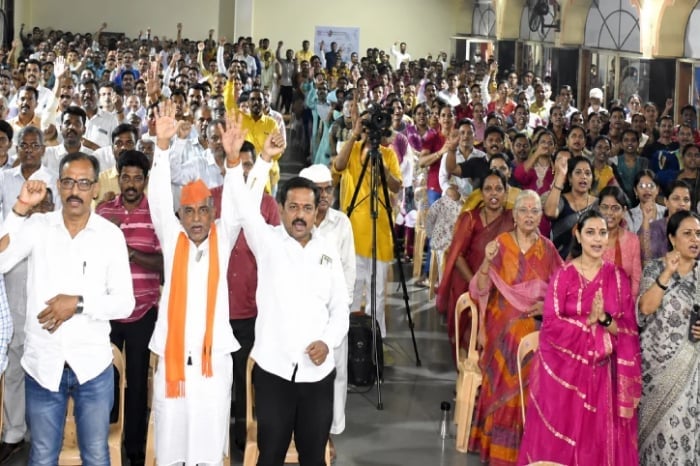
The outreach in Ranchi, Dhanbad, and Katras ultimately reflects a wider pattern in contemporary India: religious and cultural organisations are increasingly using local meetings, public talks, and youth-oriented guidance to respond to social anxiety and identity concerns. The lasting value of such initiatives will depend on whether they promote knowledge over rumour, service over division, and dharmic unity over narrow factionalism. In that balance lies the real strength of Hindu society and the broader dharmic civilisational family.
Inspired by this post on Hindu Jagruti Samiti.

Community leaders play a crucial role in such outreach because cultural renewal cannot be sustained by lectures alone. Local leadership gives continuity to public awareness, helps families understand legal and social challenges, supports youth mentoring, and builds channels for peaceful cooperation. When leaders from different sectors participate, the campaign gains practical value: concerns can be discussed, responsibilities can be assigned, and community confidence can be strengthened through organised follow-up.
The spiritual guidance component is especially relevant in a time when public discourse often becomes reactive and polarised. Spiritual instruction can redirect attention from fear toward inner strength, from anger toward disciplined action, and from fragmented identity toward dharmic responsibility. For many families, this emotional dimension matters deeply because social questions are not experienced as abstract policy issues; they touch children, marriage, education, neighbourhood trust, and the continuity of inherited values.
At the same time, an academic and factual treatment must avoid exaggeration. The available report identifies the locations, the organiser, the broad nature of the events, and the participation of community figures, but it does not provide detailed attendance figures, verbatim speeches, resolutions, or measurable outcomes. Therefore, the most accurate assessment is that the campaign functioned as a regional awareness and mobilisation effort rather than as an event whose long-term impact can yet be quantified.
The campaign’s importance lies in the questions it raises for contemporary Hindu society: how should young people be educated about dharma in a modern environment, how can families discuss sensitive social issues without panic, how can cultural identity be preserved without isolating communities, and how can unity be built across caste, region, language, sect, and economic background? These questions are not limited to Jharkhand; they resonate across India and the Hindu diaspora.
A constructive Hindu Rashtra-Jagruti Abhiyan, understood in its cultural and civilisational sense, must therefore combine awareness with responsibility. It should encourage study of Hindu scriptures, respect for temples and traditions, protection of women and families through lawful means, youth empowerment through character-building, and cooperation among dharmic traditions. When framed this way, the campaign becomes not only a call for vigilance but also an invitation to rebuild social trust, cultural literacy, and spiritual confidence.
The outreach in Ranchi, Dhanbad, and Katras ultimately reflects a wider pattern in contemporary India: religious and cultural organisations are increasingly using local meetings, public talks, and youth-oriented guidance to respond to social anxiety and identity concerns. The lasting value of such initiatives will depend on whether they promote knowledge over rumour, service over division, and dharmic unity over narrow factionalism. In that balance lies the real strength of Hindu society and the broader dharmic civilisational family.
Inspired by this post on Hindu Jagruti Samiti.






Leave a Reply
You must be logged in to post a comment.