
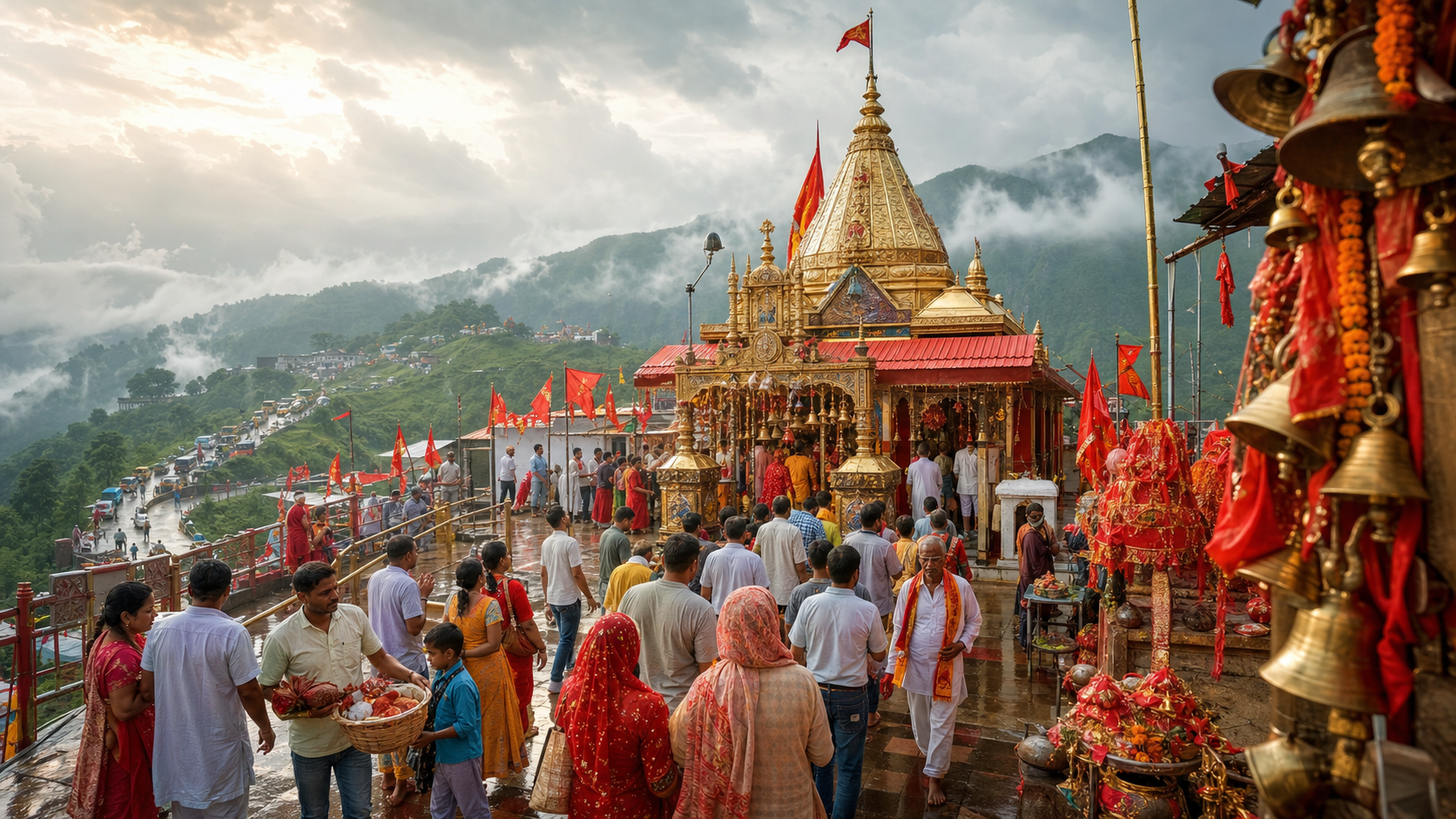
Mata Chintpurni Mela 2026 is among the most significant Shakti pilgrimage gatherings in Himachal Pradesh, centered on the revered Mata Chintpurni Temple at Chintpurni, Tehsil Amb, District Una. The shrine is associated with Mata Chintpurni Devi, also worshipped as Maa Chinnamasta or Maa Chinnamastika, and the fair draws devotees who seek relief from anxiety, fulfilment of righteous wishes, and inner steadiness through darshan, offerings, fasting, and community worship.
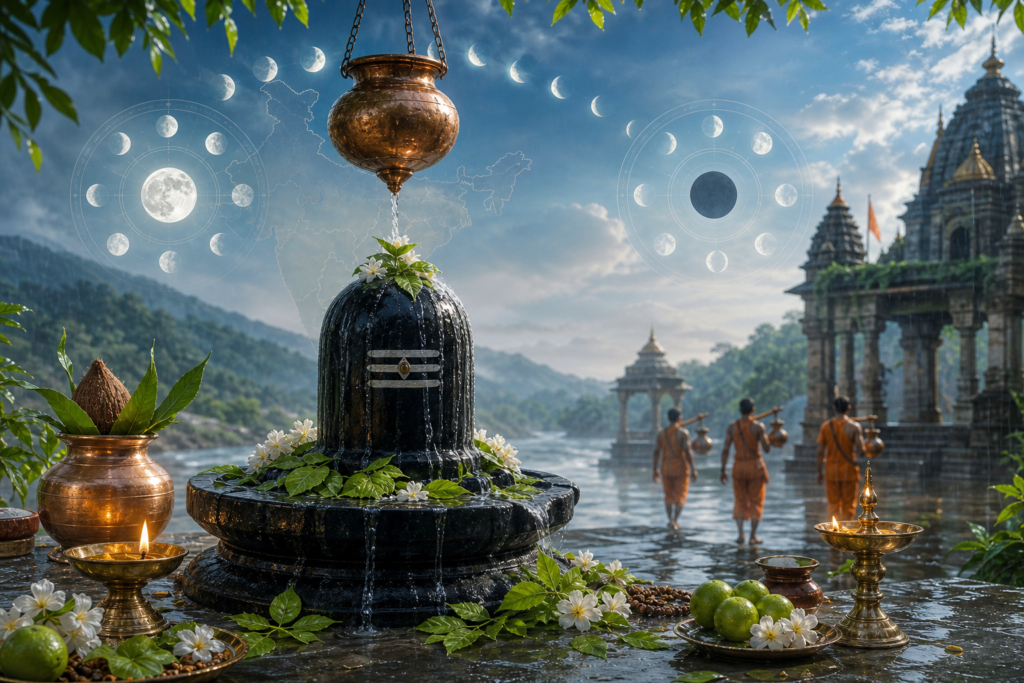
For 2026, the Sawan or Shravan cycle requires careful reading because different Hindu calendar traditions calculate Shravan observances differently. Contemporary Sawan 2026 listings place the broader Shravan period from July 30 to August 28, 2026, while the Chintpurni Sawan Mela is traditionally linked with Shravan Shukla Paksha and especially Shravan Ashtami. Based on the supplied calendar note that the Chintpurni Mela begins on the first day of Shravan Shukla Paksha on August 13, 2026, the principal Ashtami observance falls around the eighth day of that bright fortnight, with devotees advised to verify final timings through the temple administration before travel.
The official Mata Shri Chintpurni Devi Ji temple website lists Sawan Ashtami as a July-August mela of ten days, alongside Chaitra Navratras, monthly Sankranti observances, Asuj Navratras, and the New Year event. This confirms that the Sawan Ashtami fair is not merely a single-day celebration but a sustained pilgrimage season in which darshan, offerings, disciplined conduct, crowd management, and local service arrangements become part of the sacred experience.
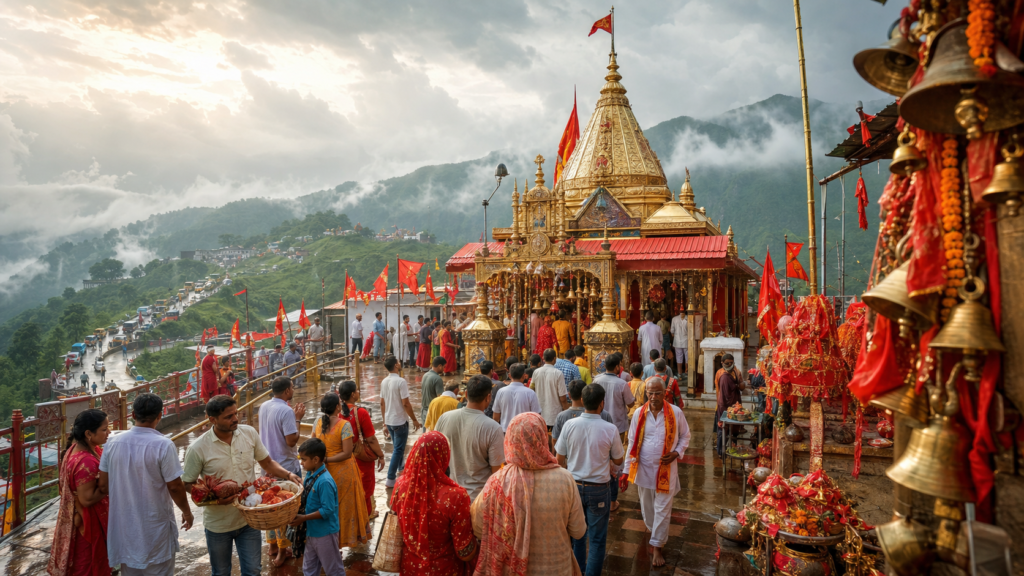
Chintpurni is located on a spur of the hill range of the same name, near Bharwain, and is traditionally approached from Una, Hoshiarpur, and Kangra. The location gives the mela a distinct hill-shrine character: pilgrims arrive through winding roads, bazaar lanes, rest stops, and queue systems, carrying coconuts, red flags, chunni, flowers, sweets, and other offerings. The religious atmosphere is shaped as much by the temple sanctum as by the collective movement of families, elderly devotees, children, volunteers, priests, shopkeepers, and local administrators who support the flow of pilgrimage.
The name Chintpurni is commonly understood through the Sanskrit-Hindi idea of “chinta,” meaning worry or anxiety, and “purni,” connected with fulfilment. In devotional interpretation, Mata Chintpurni is the Mother who removes worry and fulfils sincere prayers. This meaning carries strong psychological and spiritual resonance: the pilgrim does not approach the deity only for material petitions, but also for relief from mental burden, emotional exhaustion, family uncertainty, illness, and the quiet fears that accompany ordinary life.
The temple tradition identifies Mata Chintpurni with the larger Shakta understanding of Devi as the Supreme Mother, and especially with Maa Chinnamastika. The official temple narrative connects this form with Maa Parvati’s compassion, self-offering, and maternal response to the needs of Jaya and Vijaya. In academic terms, this mythology expresses a powerful theological idea: the Divine Feminine is not passive or distant, but active, protective, self-giving, and capable of transforming fear, hunger, desire, and vulnerability into spiritual dependence on grace.
Shravan Ashtami is the emotional center of the Sawan Chintpurni Mela because Ashtami has long held special importance in Devi worship. Across many Hindu traditions, the eighth lunar day is associated with Shakti, vrata, discipline, and the intensification of prayer. At Chintpurni, this day becomes a convergence point where individual devotion and collective festival energy meet: one sees the solemnity of personal vows alongside the public rhythm of bells, queues, chants, prasad, and the repeated invocation of the Mother’s protection.
The fair is traditionally held three times in the year: Chaitra Chintpurni Mela, Sawan Chintpurni Mela, and Ashwin or Asuj Chintpurni Mela. Chaitra and Ashwin are connected with Navratri cycles, while the Sawan fair belongs to the rainy-season devotional calendar. This pattern shows how the shrine participates in the wider Hindu sacred year, connecting the worship of Devi with lunar time, seasonal change, agricultural rhythms, and the spiritual renewal associated with monsoon months.
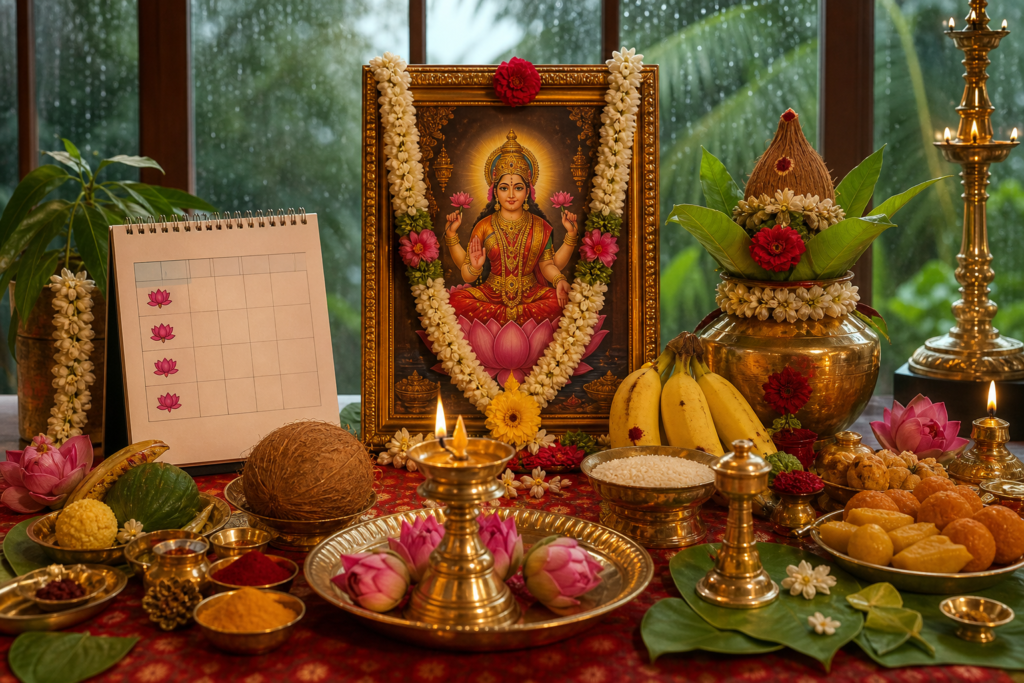
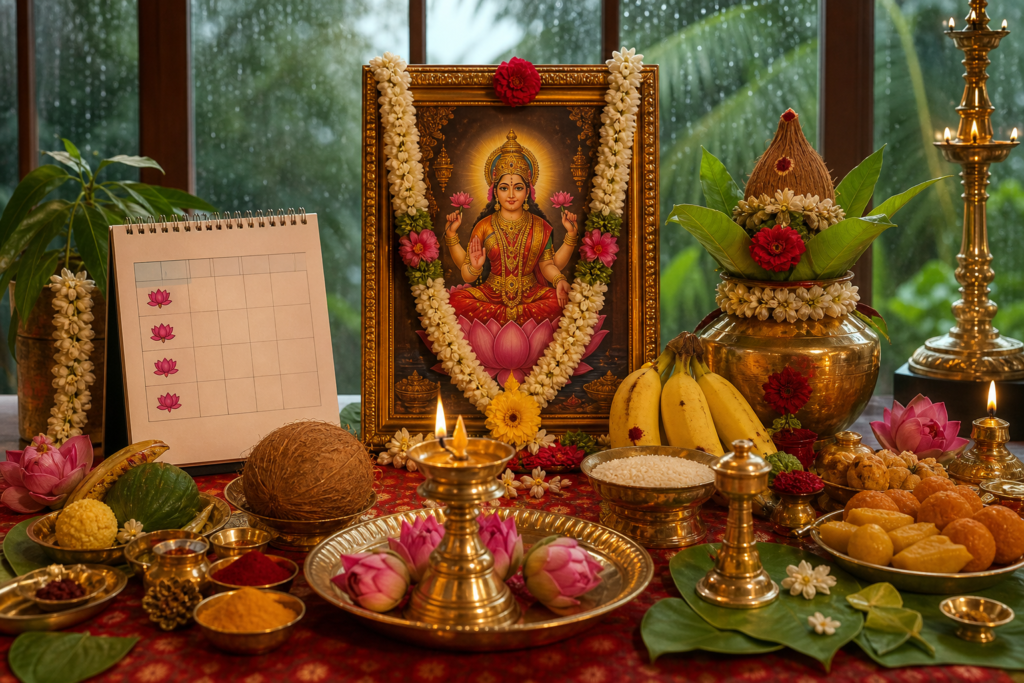
The usual offerings at the mela have their own symbolic density. Coconut represents surrender and auspicious beginning; supari is used in many Hindu ritual contexts as a marker of stability and offering; the red dhwaja or flag signals Shakti, devotion, and the public declaration of faith; mauli or sacred thread binds the offering into a ritual unit; and sweets such as halwa or other prasad express gratitude. These items are not random objects but part of a ritual language through which devotees communicate reverence, dependence, and hope.
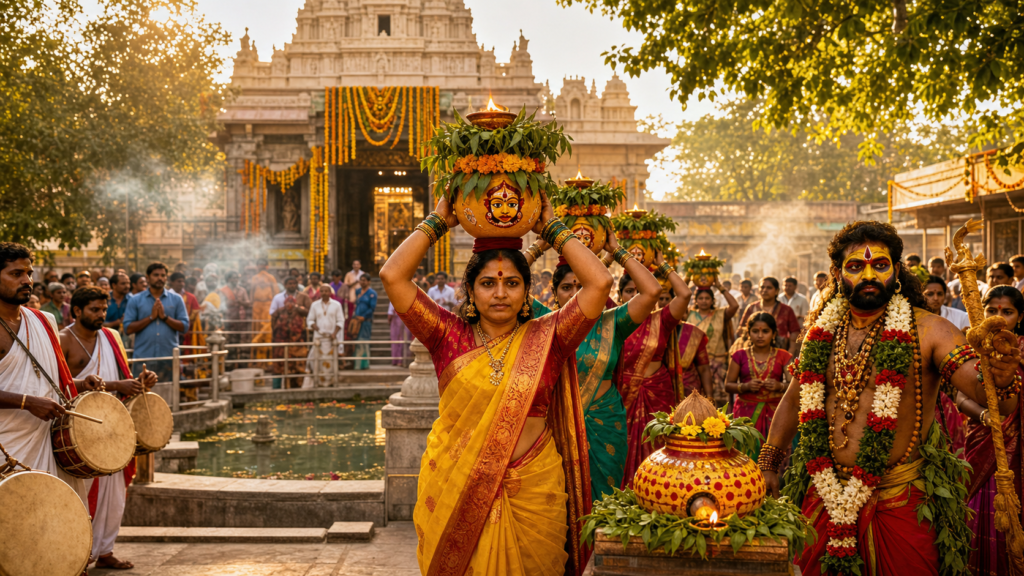
Some traditional descriptions mention offerings of Karah and chattar on the eighth day, with the chattar sometimes described as decorated with many small bells. Such offerings indicate the devotee’s desire to honour the Goddess in royal, protective, and salvific terms. The symbolism of bells, shade, food, colour, and cloth points toward a shared Indic understanding of worship in which sound, taste, sight, touch, and movement all become vehicles of devotion.
The mela also functions as an important social institution. A pilgrimage fair is not only a religious event; it is a temporary civic ecosystem. Roads, sanitation, water access, crowd control, medical assistance, accommodation, police presence, volunteer service, food distribution, and local commerce all become essential. The success of Mata Chintpurni Mela 2026 will therefore depend not only on devotional enthusiasm but also on disciplined public conduct and competent management by the temple trust and district administration.
Historically, the management of the fair has changed over time, moving from older district-level arrangements to more formal temple-trust administration. This transition reflects a broader pattern visible at many major Hindu temples: sacred sites that once depended primarily on local custom increasingly require structured governance because pilgrimage numbers, transport networks, safety expectations, and public accountability have expanded. Good temple governance is itself a form of dharma when it protects pilgrims, preserves sanctity, and allows worship to proceed with dignity.
For pilgrims planning Mata Chintpurni Mela 2026, the most practical first step is date confirmation. Because tithi-based observances depend on lunar calculations and local panchang practice, Gregorian dates should be checked near the event through the official temple website, local administration notices, or reliable panchang sources. The difference between the broader Sawan month and the specific Chintpurni Sawan Ashtami fair can confuse visitors, so travel plans should be built around the officially announced mela window rather than a single circulating date.
Travel planning should also account for the hill-temple setting. Pilgrims coming from Punjab, Haryana, Delhi, Himachal Pradesh, Jammu, and nearby regions often travel by road, while others combine rail and road connections. During peak mela days, particularly around Ashtami, traffic density, parking limitations, long queues, and accommodation pressure can increase substantially. Families travelling with elders or children should plan early arrival, modest luggage, weather-appropriate clothing, water, basic medicines, and realistic waiting times.
The monsoon season adds both beauty and difficulty to the pilgrimage. Shravan is celebrated for its freshness, greenery, and devotional mood, yet rain can affect roads, walking surfaces, queue shelters, and travel schedules. Pilgrims should treat weather preparedness as part of responsible religious practice. Carrying rain protection, wearing footwear suitable for wet surfaces, following official queue directions, and avoiding unnecessary crowd pressure are practical ways of honouring both personal safety and the welfare of fellow devotees.
A central feature of dharmic pilgrimage is shared discipline. Darshan at a crowded shrine is not a private entitlement but a collective practice in patience. The elderly person ahead in the queue, the child struggling in the crowd, the volunteer repeating instructions, and the pilgrim who has travelled overnight are all part of the same sacred field. In this sense, the mela teaches a quiet ethic: devotion matures when personal longing is balanced with respect for others.
Mata Chintpurni Mela also illustrates the unity of dharmic traditions through practice rather than argument. Hindu, Buddhist, Jain, and Sikh civilizational settings all preserve forms of pilgrimage, ethical restraint, offering, seva, memory, and reverence for sacred geography. While theological expressions differ, the discipline of walking toward a sacred place, lowering personal ego, serving others, and seeking inner purification belongs to a shared Indic moral world. Chintpurni’s mela can therefore be understood not only as a Shakta festival but also as part of the broader dharmic grammar of pilgrimage.
The emotional appeal of the mela lies in its ability to make ancient worship feel immediate. Many devotees arrive with family stories: a parent who came after illness, a grandmother who tied a red thread in faith, a child brought for first darshan, or a household that returns every year in gratitude. Such memories are not merely sentimental; they are mechanisms of cultural continuity. Through repeated pilgrimage, families teach children how faith is practiced through time, body, speech, offering, and restraint.
From a cultural heritage perspective, Chintpurni Temple belongs to the living network of North Indian Shakti worship. The shrine’s identity as a place where worries are relieved gives it a distinctive devotional profile, but its broader significance comes from how it integrates mythology, local geography, family vows, women’s devotional participation, ritual economy, seasonal calendars, and regional movement across Himachal Pradesh and neighbouring states.
Devotees should also distinguish between essential worship and avoidable excess. The heart of the pilgrimage is darshan, humility, cleanliness, prayer, and ethical conduct. Offerings should be made responsibly, without waste, public obstruction, or competitive display. A simple coconut, flowers, dhwaja, prasad, or silent prayer offered with steadiness has greater spiritual integrity than an elaborate act performed without consideration for others.
The Chintpurni Mela’s scale also raises ecological concerns. Hill shrines are vulnerable to plastic waste, blocked drains, traffic emissions, and pressure on local resources during peak pilgrimage. A dharmic reading of the festival should include care for the land that hosts the shrine. Avoiding single-use plastics, using designated disposal points, respecting local water sources, and supporting clean pilgrimage habits are not modern add-ons to tradition; they are consistent with the Hindu ethic of reverence for Bhumi Devi and sacred geography.
For first-time visitors, the ideal approach is simple: confirm the official 2026 mela dates, arrive early, keep identification and essentials secure, follow temple and police instructions, purchase offerings from reliable local vendors, remain patient in queues, and avoid pushing near the sanctum. Those unable to withstand long waits should inquire about official facilities rather than relying on informal intermediaries. The dignity of darshan is best preserved when pilgrims avoid shortcuts that create disorder or exploit devotion.
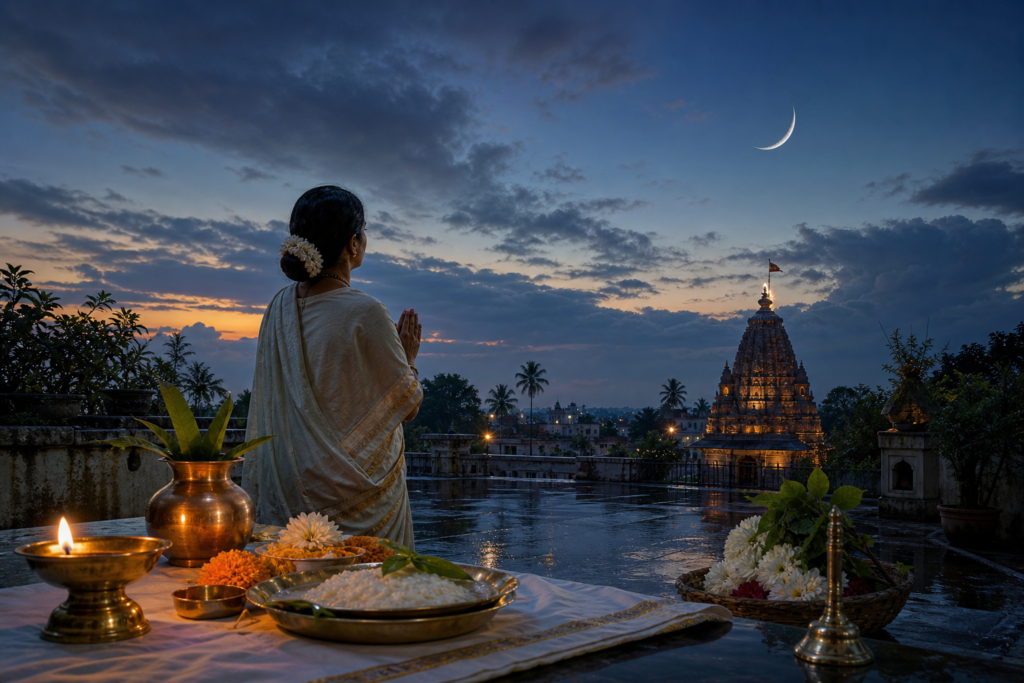
Spiritually, Mata Chintpurni Mela 2026 invites a deeper reflection on worry itself. The human mind constantly produces chinta: fear about family, health, money, status, children, marriage, work, and the future. The pilgrimage does not magically erase the responsibilities of life, but it can reorder them. By standing before the Mother, the devotee symbolically places anxiety within a larger field of trust, discipline, and grace. That inner reorientation is one of the mela’s most enduring benefits.
The fair’s public soundscape also deserves attention. Bells, chants, aarti, footsteps, announcements, bargaining voices, devotional songs, and the murmur of waiting crowds together create a layered religious environment. For scholars of religion, such soundscapes demonstrate that Hindu worship is embodied and participatory. For devotees, the same sounds become an atmosphere of belonging, reminding them that personal suffering is held within a community of shared prayer.
Mata Chintpurni Mela should therefore be understood through four dimensions: ritual, mythology, governance, and lived experience. Ritual gives structure to devotion; mythology gives meaning to the deity’s form; governance protects the public performance of faith; and lived experience carries the festival across generations. When these four dimensions remain balanced, the mela becomes more than a crowded event. It becomes a disciplined encounter with Shakti, memory, and community.
In 2026, pilgrims should treat August 13, 2026, as the important supplied starting point for the Shravan Shukla Paksha mela cycle and should watch for the officially confirmed Ashtami and concluding dates from the temple trust. Since the broader Sawan 2026 period is listed from July 30 to August 28, date confusion is possible. The most responsible guidance is to plan around the temple’s final announcement, especially for accommodation, group travel, and elderly pilgrims.
Ultimately, Mata Chintpurni Mela 2026 stands as a major expression of Hindu festival culture, Shakti devotion, and Himachal Pradesh’s temple heritage. Its power lies not only in the number of pilgrims it attracts but in the quality of inner turning it enables. The devotee arrives with worry, walks through effort, waits with others, offers with humility, and returns with a renewed sense that life’s burdens can be carried with greater faith, responsibility, and compassion.
Inspired by this post on Hindu Pad.


Leave a Reply
You must be logged in to post a comment.