
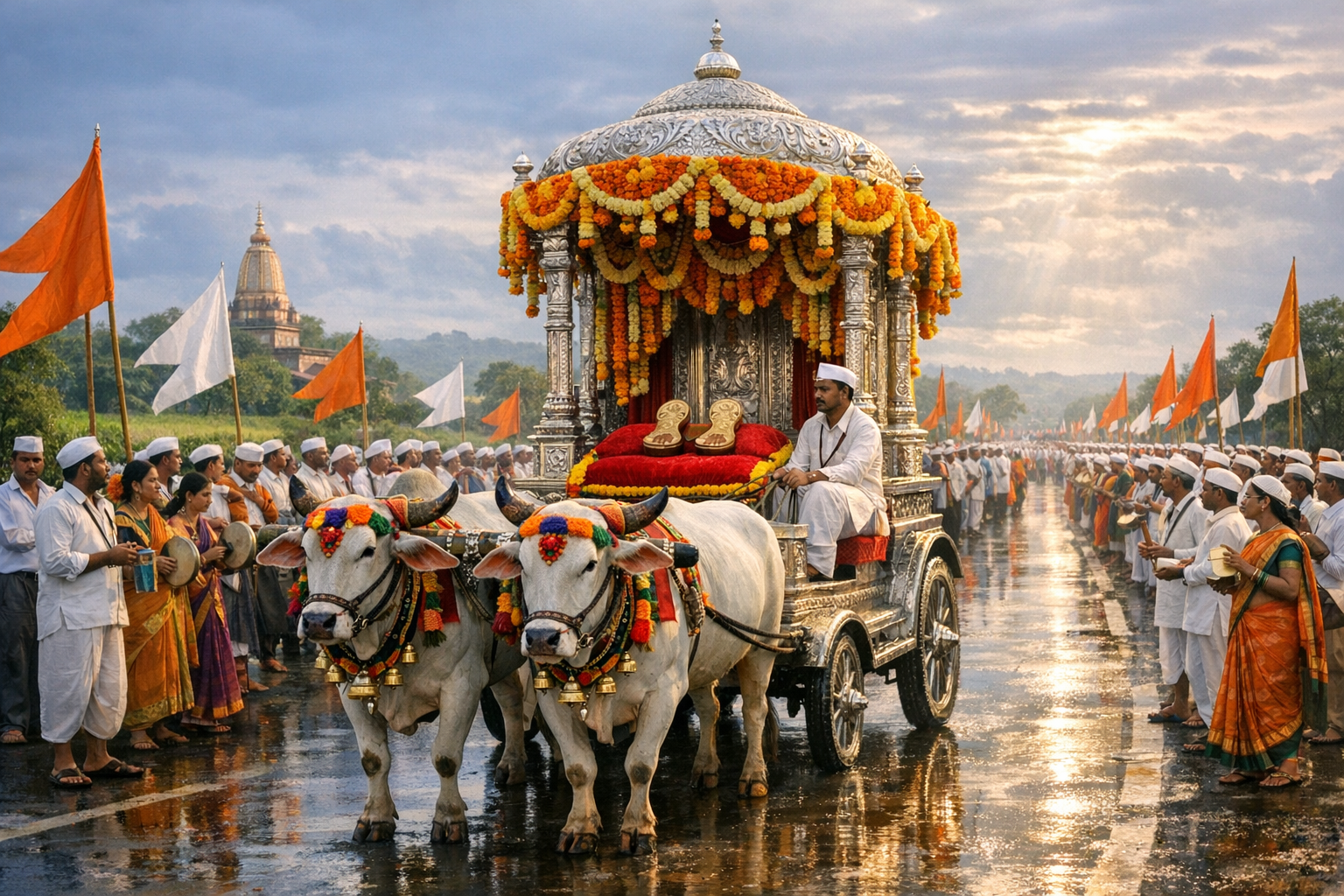
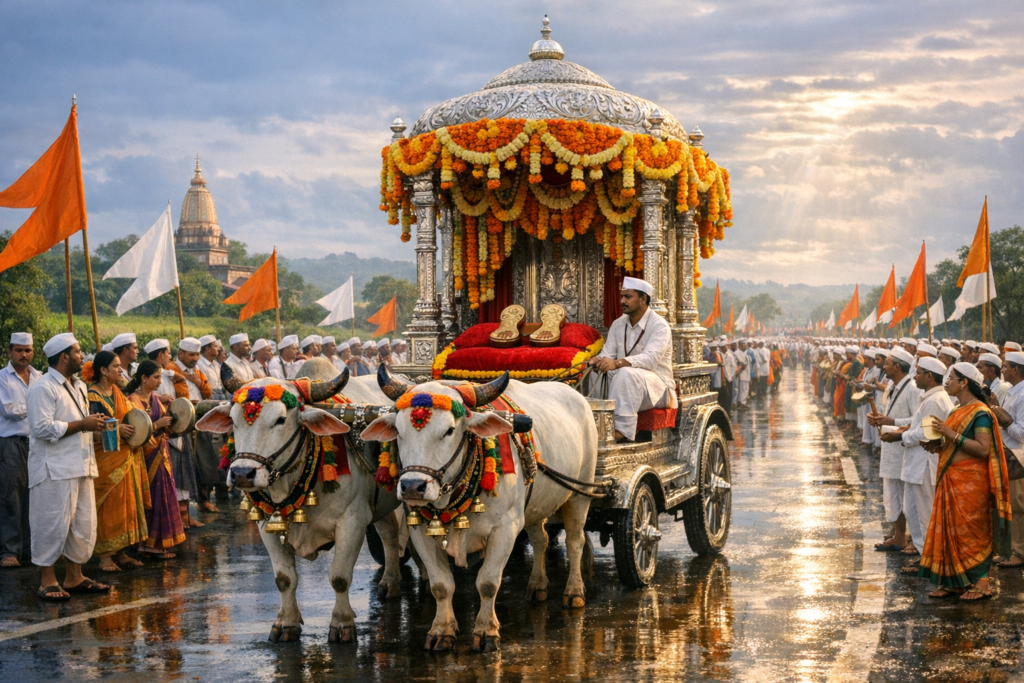
Sant Nivruttinath Maharaj Palkhi Sohala 2026 marks a 27-day sacred Wari within the Varkari Sampradaya, centred on the veneration of the Padukas of Sant Nivruttinath Maharaj. In 2026, the procession is guided by 53 official Dindis, and the Padukas are carried in a magnificent silver chariot. In accordance with customary protocol, the charioteer sits to the right while directing the majestic bullocks, preserving a living tradition that emphasizes order, humility, and unwavering devotion.
Historically, Sant Nivruttinath Maharaj is revered as the elder brother and guru of Sant Dnyaneshwar (Jnaneshwar), embodying an intersection of Nath yogic insight and Varkari bhakti. The Paduka Palkhi ritual encodes this synthesis: jnana (insight), bhakti (devotion), and seva (service) cohere in a public tirtha-yatra that converts roads and villages into moving sanctuaries of remembrance. The Sohala thus functions as a pedagogic procession—teaching, by example, discipline, compassion, and spiritual equality.
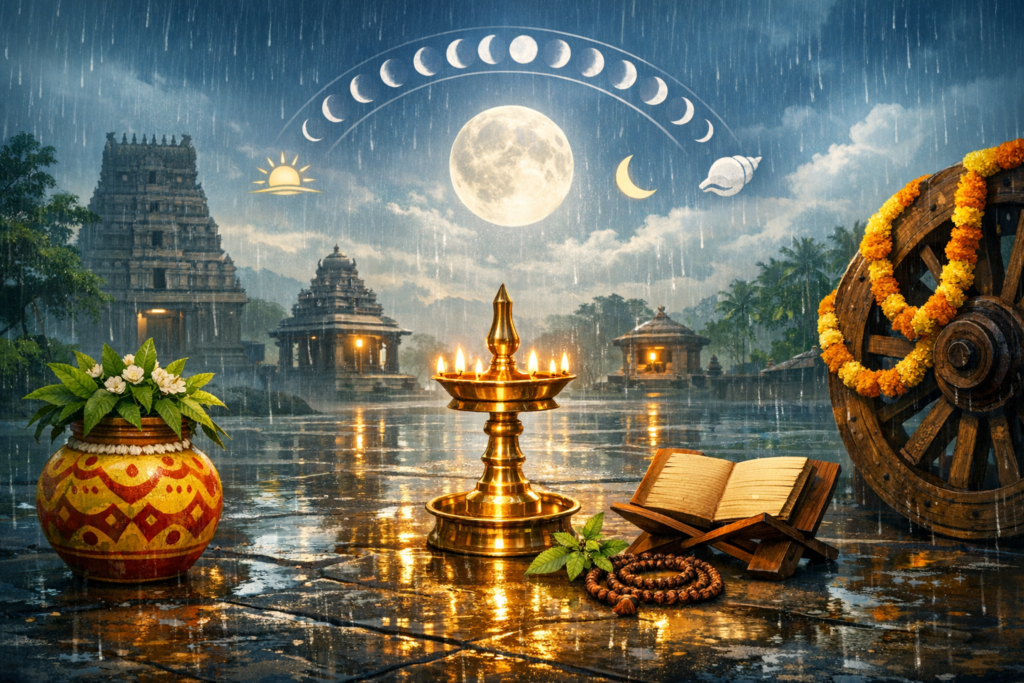
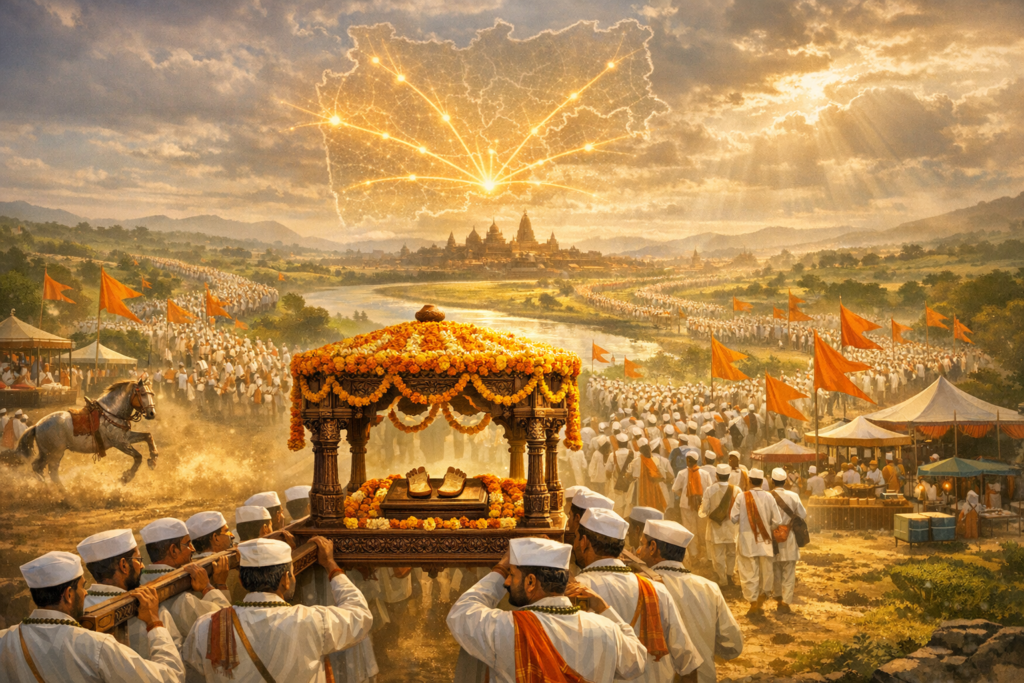
Situated in the Ashadha cycle, the Sohala aligns with the broader Ashadhi Wari ethos that culminates in darshan of Vithoba at Pandharpur. The Sant Nivruttinath Maharaj Palkhi traditionally progresses through scheduled halts across Maharashtra and often converges, in spirit and song, with other Varkari streams. This continuity links householders, ascetics, farmers, students, and urban professionals into one sangha of walkers, sustaining a cultural memory that is at once local and pan-Indian.
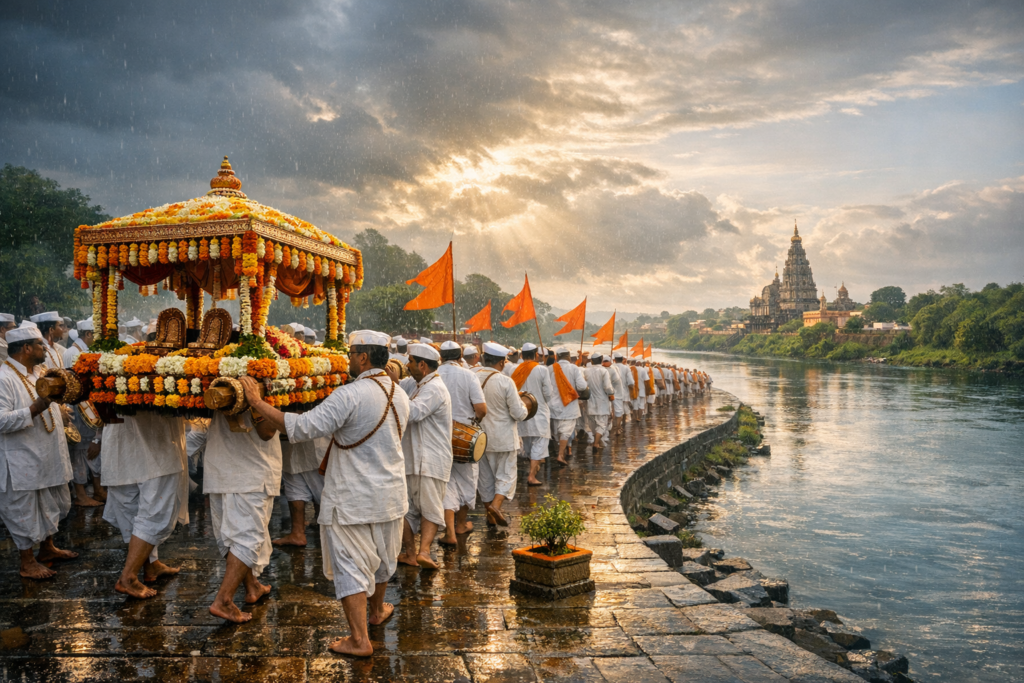
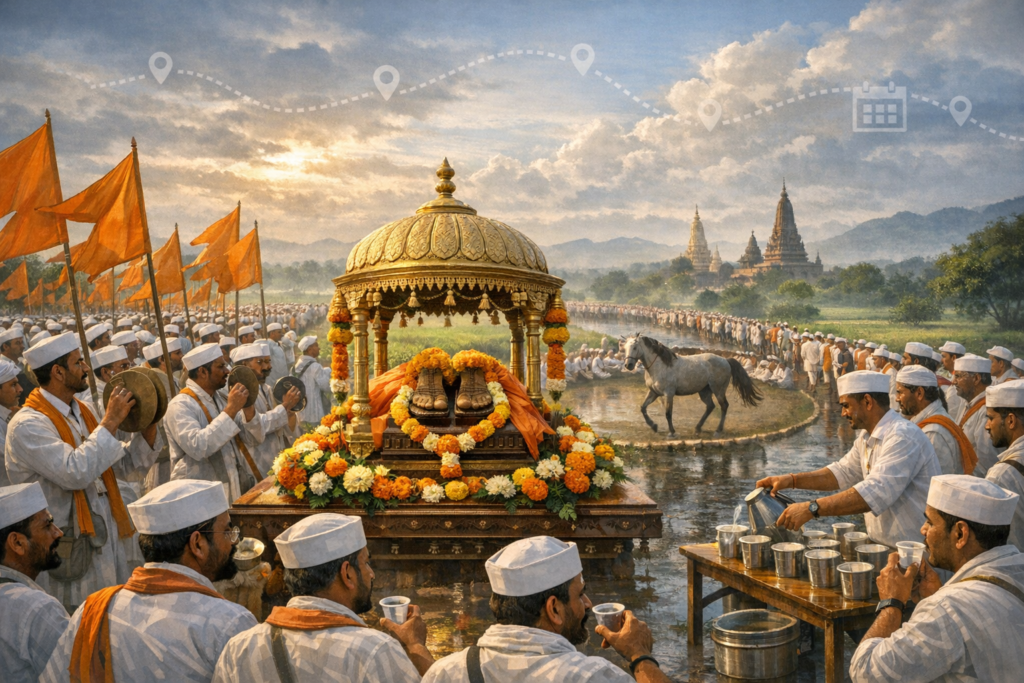
The 53 official Dindis operate as disciplined devotional cohorts. Each Dindi maintains its own flag, schedule, kirtan mandal, and seva team. Collectively, they anchor the procession’s rhythm and safety: stewarding lanes for walkers, managing rest halts (wasa), maintaining annadan (community kitchens), and coordinating first-aid, water points, and waste stewardship. This modular organization enables thousands to move with precision while protecting elders, women, and children from crowding and fatigue.
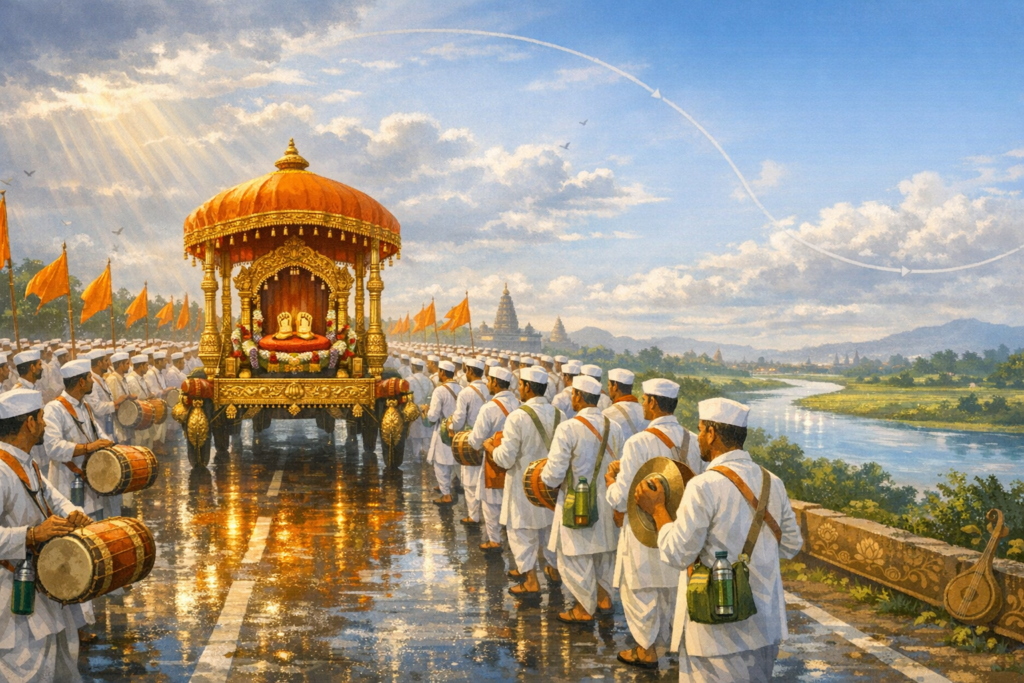
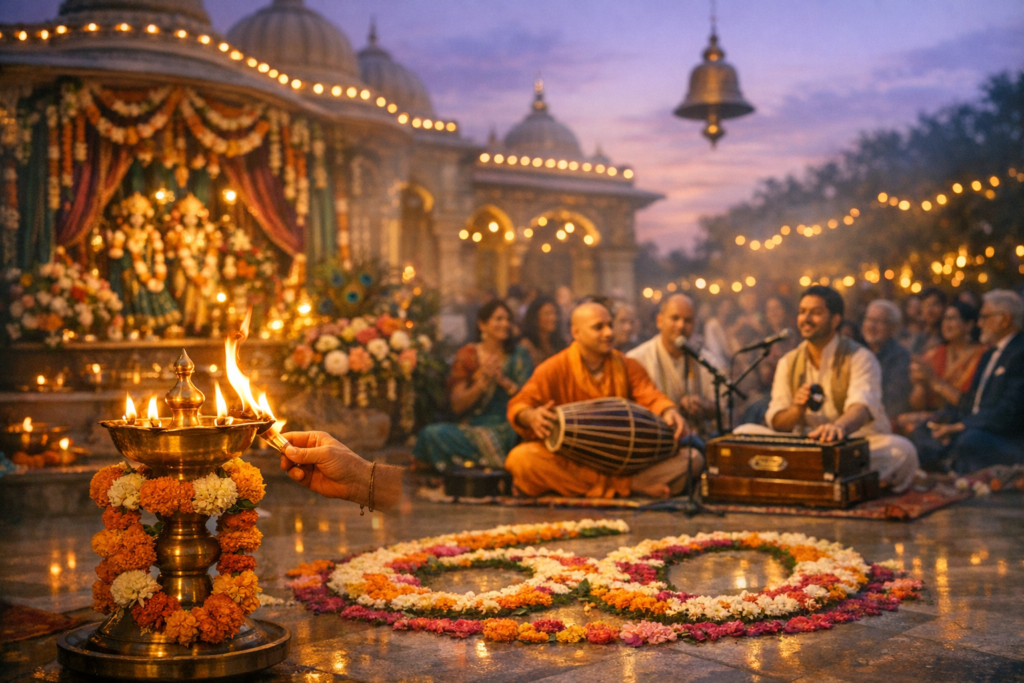
Ritual grammar governs the procession’s daily arc. Pre-dawn bhajans, abhangas, and nama-sankirtana awaken participants into collective focus; during the march, call-and-response abhangas to Vithoba and Rukmini sustain pace and morale; evening kirtans consolidate learning with reflections on the lives and teachings of Sant Nivruttinath Maharaj, Sant Dnyaneshwar, Sant Tukaram, and Sant Eknath. Instruments such as taal (cymbals), mridanga, ektara, and lezim uphold the sonic identity of the Wari, while simple, shared meals underline humility and fraternity.
From a processional mechanics perspective, daily segments typically range between 15 and 25 kilometres, adjusted for weather and terrain, with planned hydration points and medical support. The silver chariot advances methodically at the heart of the cavalcade, and Dindi marshals regulate inflow and outflow at congested bends, bridges, and village entries. The right-seated charioteer—a distinctive custom maintained here—serves as a visual reminder of positional dharma and steady guidance.
The social architecture of the Sohala is equally significant. Annadan is organized to reduce food insecurity for walkers; mobile clinics and volunteer doctors handle blisters, dehydration, and monsoon-related ailments; and waste segregation teams adopt low-plastic protocols to minimize ecological impact. Increasingly, local administrations and seva groups collaborate on route sanitation, potable water safety, rest-shed ventilation, and emergency coordination, reflecting a mature model of faith-based civic cooperation.
Participants frequently describe an affective state of collective uplift—born of walking together, singing together, and sharing service. The Varkari code of simplicity—vegetarian food, sobriety, respect for elders, non-violence (ahimsa), and communal responsibility—creates a psychologically safe space that many report as transformative. Newcomers often find that the cadence of abhangas and the visible humility before the Padukas cultivate interior quietude even amid large crowds.
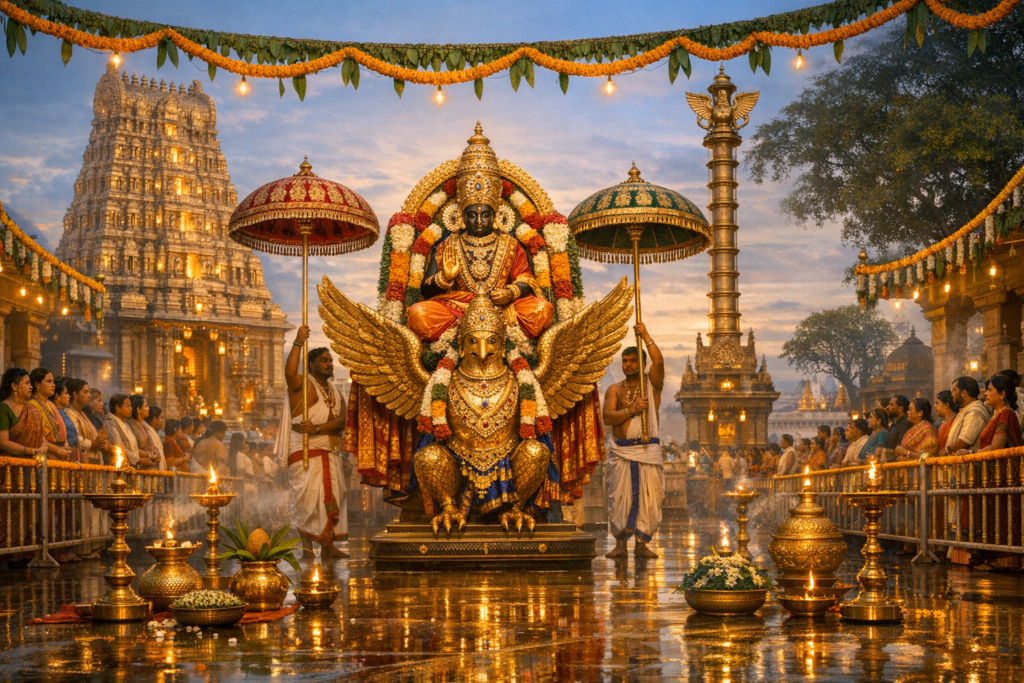
Symbolically, the Padukas represent the ever-present guru-tattva. The silver chariot manifests the sanctity of the journey, while the bullocks embody dharma’s steadiness through time. The charioteer’s right-side seating—consistent with certain traditional carriage customs—has become a distinctive identity marker of the Sohala, indexing continuity with ancestral protocols that privilege attentiveness, right conduct, and precise stewardship.
While the Sant Nivruttinath Maharaj Palkhi Sohala is a Hindu pilgrimage, its ethos readily aligns with the unifying values of dharmic traditions. Visitors and volunteers from Hindu, Buddhist, Jain, and Sikh communities commonly resonate with its stress on ahimsa, dana/seva, remembrance, and sangha. This spirit of respectful coexistence reflects the civilizational ideal of “Vasudhaiva Kutumbakam” and fosters practical unity without erasing doctrinal distinctiveness.
For observers and first-time participants, simple steps ensure respectful engagement: walk alongside an assigned Dindi rather than cutting across the chariot lane; request permission before photographing close to the Padukas; carry personal water and rain protection in Ashadha conditions; and honor the bhakti atmosphere by avoiding amplified music or obstructive vehicles. Such courtesies preserve the devotional field (bhava) for all.
In 2026, the Sant Nivruttinath Maharaj Palkhi Sohala sustains a many-centuries continuum of devotion, discipline, and shared service. As an itinerant classroom of bhakti and civic order, it demonstrates how large-scale yatra can be simultaneously spiritually elevating and operationally robust. Its living synthesis—of Paduka-darshan, abhangas, Dindi self-organization, and inclusive seva—offers a model of cultural resilience that speaks to the needs of contemporary society while honoring timeless wisdom.
Inspired by this post on Hindu Pad.


Leave a Reply
You must be logged in to post a comment.