Adhika masa (Purushottam Maas) is the intercalary month periodically inserted into the Chandramana Panchangam (lunar calendar) to harmonize lunar months with the solar year. In 2026, authoritative siddhanta-based panchang computations indicate an Adhik Jyeshtha month. As in every Purushottam Maas, two uniquely named Ekadashi vrats occur in this extra month: Padmini Ekadashi (also known as Kamala Ekadashi) and Parama Ekadashi (often called Parama Shuddha Ekadashi). These observances are dedicated to Sri Vishnu and are widely followed across Vaishnava and Smarta traditions.
Within any Adhika masa, the waxing-half Ekadashi (Shukla Paksha) is styled Padmini, evoking the lotus (kamala) qualities of purity, gentleness, and abundance associated with Sri Lakshmi; the waning-half Ekadashi (Krishna Paksha) is styled Parama, emphasizing the supreme (parama) resolve and inner purification that fasting and niyama cultivate. While the ritual center of gravity is explicitly Vaishnava, the disciplines of self-restraint, compassion, and clarity of mind these vrats nurture resonate across dharmic traditions, including the ethos of Buddhist Uposatha, Jain posadha-style fasting and meditation, and Sikh simran and seva.
Indicative 2026 dates (IST, subject to regional panchang differences) are as follows: Padmini Ekadashi is expected on Tuesday, 26 May 2026, and Parama Ekadashi on Thursday, 11 June 2026, both falling within Adhik Jyeshtha. Because Ekadashi is a tithi-based observance, local sunrise, longitude-latitude, and panchang school (Smarta or Vaishnava) can shift the calendar date by a day between regions and globally.
Regional practice notes are important for accuracy. North Indian panchangs often follow the Purnimanta system and many South Indian panchangs the Amanta system; however, vrats such as Ekadashi are always determined by the tithi in force at local sunrise, so the observance date remains aligned even if the civil month names differ. Devotees outside India regularly find that Ekadashi falls on the civil date before or after the India date due to time-zone variance; consulting a reliable regional panchang or trusted temple schedule is recommended.
Why Adhika masa occurs can be summarized succinctly. A lunar month (new moon to new moon) averages about 29.53 days, while the solar ingress cycle through the twelve rashis averages about 30.44 days per month. Over time, the lunar calendar would drift without correction. The traditional rule states that if no solar ingress (sankranti) occurs within a lunar month, that lunar month is designated Adhika (intercalary). This correction typically appears about every 32.5 months, yielding seven Adhika months in a 19-year span, a cadence close to the well-known Metonic proportion. The Adhika month is ritually regarded as Purushottam Maas, especially auspicious for vrata, dana, japa, and study of sacred texts.
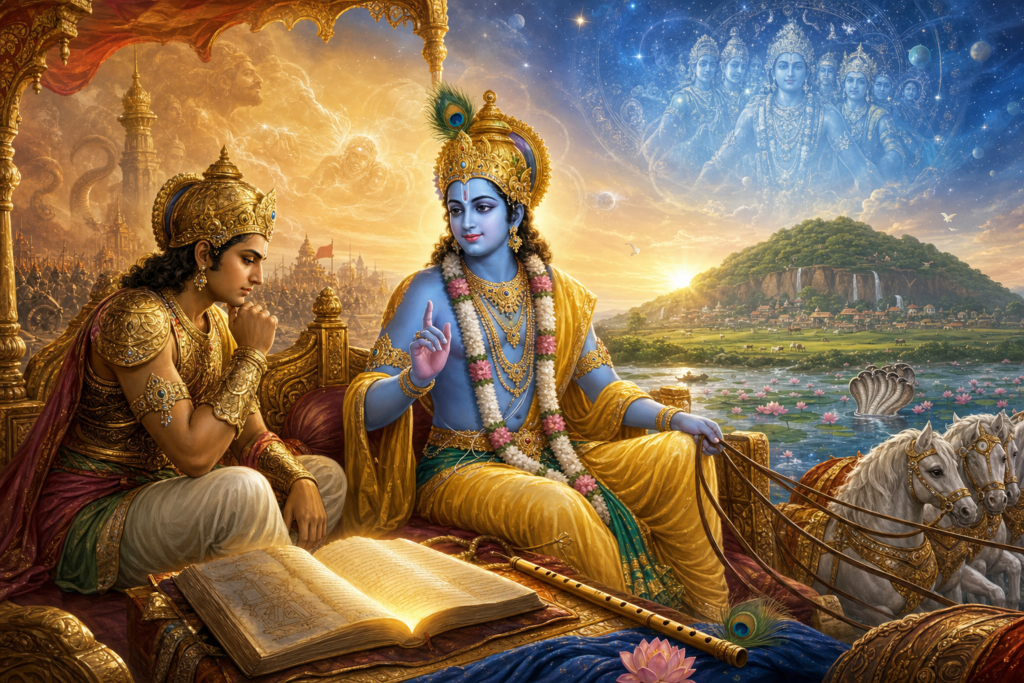
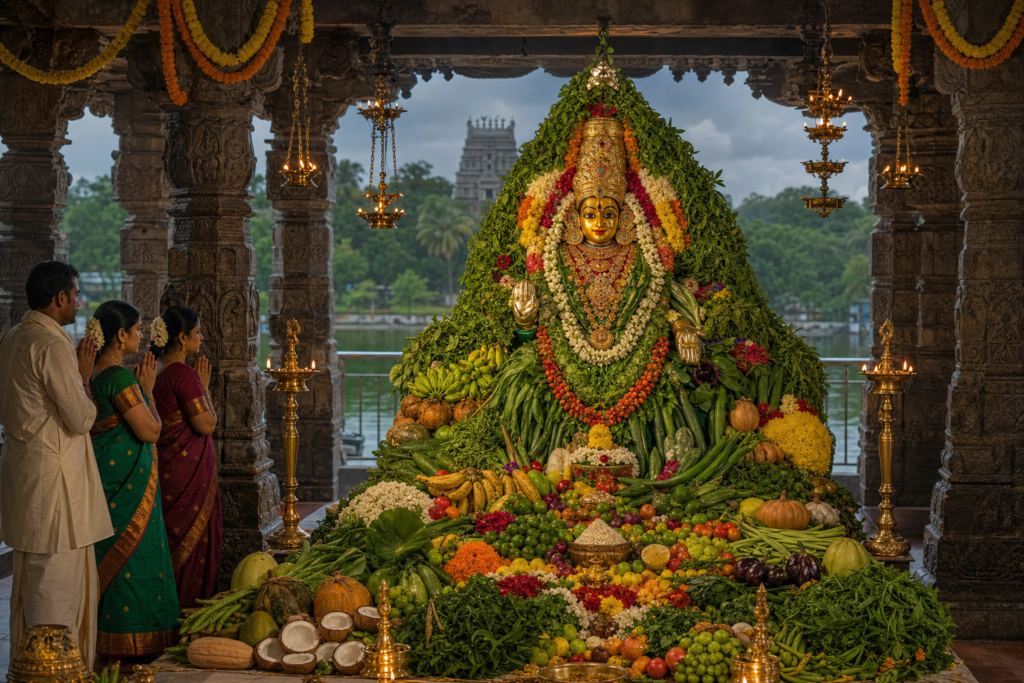
Vrat observance for Padmini and Parama Ekadashi follows well-attested guidelines in Smarta and Vaishnava manuals. A preparatory regime (alpa-bhojana or satvik diet) is customarily undertaken on Dashami; devotees keep ahimsa-centered meals and avoid tamasic foods. On Ekadashi, one observes upavasa and niyama according to capacity: nirjala (waterless), jala-matra (water only), phalahara (fruits), or satvik anukalpa (simple single-meal) fasting patterns. A pre-dawn snana, sankalpa for the chosen vrata, and worship of Vishnu with tulasi, deepa, naivedya, and stotra recitation anchor the day. Widely practiced recitations include Vishnu Sahasranama, Bhagavad-Gita chapters (notably 7, 9, 12, or 15), and the mantras Om Namo Narayanaya and Om Namo Bhagavate Vasudevaya.
Parana (fast-breaking) must be performed on Dwadashi after sunrise, observing the Hari-vasara principle: the initial quarter of Dwadashi is avoided for breaking the fast, with parana completed before Dwadashi tithi ends. Vaishnava panchangs sometimes differ from Smarta calculations when Dashami or Dwadashi touches sunrise in specific ways; where a local temple or sampradaya offers a published schedule, that guidance should be preferred. In all cases, the vrata emphasizes sattva, compassion, and careful truthfulness in speech and conduct throughout the day.
The spiritual accent of Padmini Ekadashi is on the lotus-like opening of the heartdevotees often report calm attention, gentleness in action, and gratitude. Parama Ekadashi is traditionally seen as the pinnacle of resolve in Purushottam Maas, deepening inner steadiness, vairagya, and clarity. Together, they frame the Adhika month’s aim: to invest additional time in dharma-oriented livingstudy, contemplation, and serviceso that the year realigns not only astronomically but ethically.
In a dharmic-unity perspective, these vrats highlight shared civilizational values across Hinduism, Buddhism, Jainism, and Sikhism: disciplined mindfulness, food ethics, generosity, and reverence for truth. The specific formsVishnu archana, Uposatha meditation, posadha vows, or simran and sevadiffer in expression yet converge in nurturing inner clarity and compassion. Communities that observe these disciplines together often experience stronger social cohesion, mutual respect, and a deepened appreciation of India’s plural spiritual heritage.
Health and practical considerations are integral to responsible observance. Individuals managing medical conditions, pregnancy, elder care, or physically demanding work should adopt moderated fasts (such as phalahar or satvik anukalpa) in consultation with family and, where needed, a clinician. Hydration, adequate rest, and avoiding rigidity are consistent with the dharmic spirit of ahimsa and care for the body-mind.
For those verifying dates methodically, the workflow is straightforward: identify the Adhika masa bounded by consecutive new moons in which no sankranti occurs; within that month, locate the 11th lunar day of the waxing and waning halves by a location-accurate panchang; confirm which tithi prevails at local sunrise; then apply Smarta or Vaishnava rules for vrat and for Dwadashi parana, taking care to avoid Hari-vasara and to conclude the fast before Dwadashi ends. Standard references used by panchang makers include Siddhanta-based calculations and dharma-digest rules such as those cited in Nirnaya Sindhu.
In summary, Adhika masa in 2026 provides a rare and auspicious window to intensify spiritual practice. Padmini and Parama Ekadashi observed in Adhik Jyeshthaanticipated on 26 May 2026 and 11 June 2026, respectively, in Indiaoffer a balanced arc of devotion: softening the heart through sattvic purity and strengthening resolve through disciplined clarity. Observed with humility and inclusivity, these vrats help align personal life with the cosmic cadence that Adhika masa restores, sustaining unity across India’s dharmic traditions.
Inspired by this post on Hindu Pad.