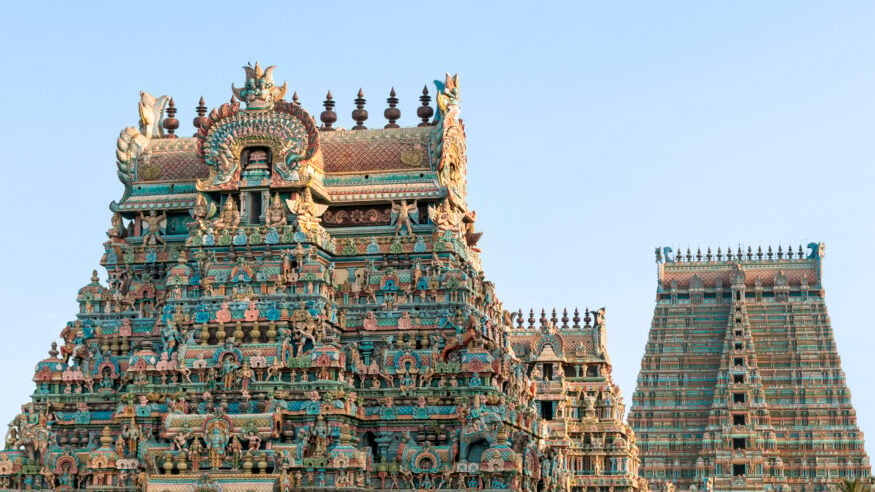
Mahashivratri 2026 falls on 15 February. Observed on Krishna Paksha Chaturdashi of the lunar month (Phalguna by the Purnimanta reckoning and Magha by the Amanta reckoning), it is the great nocturnal vrata dedicated to Lord Shiva. Across India and the global diaspora, the night-long vigil integrates japa (mantra recitation), stotra (hymn) chanting, abhishekam (ritual bathing of the Shivalinga), and meditative silence, creating a profound convergence of devotion and inward awareness.
While Mahashivratri is a central festival of Hindu Dharma, its inner disciplinessilence, restraint, compassion, and contemplative focusresonate deeply with shared dharmic values across Buddhism, Jainism, and Sikhism. This spirit of unity in diversity underlines a common civilizational emphasis on ethical living (dharma), mindfulness, and collective well-being, even as each tradition honors its distinct practices and theology.
Timekeeping is integral to Mahashivratri practice. The four night watches (praharas) are traditionally observed with successive pujas and japa. Devotees prioritize Pradosha Kaal (early evening), Nishitha Kaal (around midnight), and the last prahar (pre-dawn) for intensified worship. Local muhurta should be derived from a reliable Panchang, since tithi and kala windows vary by location and time zone.
The vrata begins with intention-setting (sankalpa) and niyamas: non-violence, truthfulness, moderation, and purity of diet. Many observe upavasa (fasting)nirjala (waterless), phalahara (fruits), or a simple sattvic meal onceaccording to health and capacity. Wakefulness through the night (jagarana) supports the central Mahashivratri ideal: interiorizing awareness so the mind rests in the stillness symbolized by Shiva.
Puja samagri commonly includes a Shivalinga or Shiva murti; clean water (preferably from a sacred source), panchamrita (milk, curd, ghee, honey, and sugar), white flowers, bilva (bilwa/bael) leaves, sandal paste, akshata (unbroken rice), incense, a ghee lamp, vibhuti (sacred ash), rudraksha mala, and naivedya (fruits, cooked rice, jaggery, or other sattvic offerings). Regional variationssuch as sugarcane juice, tender coconut water, or holy river waterare widely accepted.
Bilva patra (bael leaves) are particularly meritorious in Shiva worship. The trifoliate leaf is read as a symbol of tripartite harmoniesthree eyes of Shiva, three gunas, three syllables of Om’s A-U-M unfoldment, and the triad of creation, preservation, and dissolution. Puranic sources extol even a single bilva offering when made with focus and sincerity. Leaves should be clean and fresh, with the smooth side facing up and the leaf stalk gently removed before offering.
Abhishekam is typically performed in a sequence that cools and sanctifies the Shivalinga: water (jala), then panchamrita, followed by pure water again. Many also offer sugarcane juice, tender coconut water, and sandal-infused water, and then adorn the Linga with bilva leaves and flowers. Theologically, abhishekam enacts inner purification: as impurities are washed off the Linga, one contemplates the cleansing of one’s own mind of rajas and tamas.
Two canonical worship formats are common. Panchopachara (five offerings) employs gandha (fragrance), pushpa (flowers), dhupa (incense), deepa (lamp), and naivedya (food offering). Shodashopachara (sixteen offerings) elaborates this into a full liturgy including ceremonial seat (asana), water for sipping (achamana), bathing (snana), clothing (vastra), ornaments (alankara), and arati. Both are valid; householders often follow Panchopachara with stotras and japa for a focused, practical ritual.
Devotees begin with self-purification (achamana and silent breath regulation), Ganesha dhyana and a short invocation to remove obstacles, and the sankalpa specifying date, place, and intention for universal welfare (loka-kalyana). Shiva dhyana then anchors the mind in a mental image of Shivaformless (nirguna) and with form (saguna)preparing the altar for mantra, stotra, and abhishekam.
At the heart of Mahashivratri is the mantra ॐ नमः शिवाय (Om Namah Shivaya), the Shiva Panchakshari. Its five syllablesna, ma, śi, vā, yaare widely interpreted as correlates to the five elements (earth, water, fire, air, and space) and the fivefold unfoldment of consciousness. The mantra’s semantic core“Salutations to Shiva”is lived as an inner bow to the Self, the witness-awareness beyond fluctuation.
Japa of ॐ नमः शिवाय can be undertaken throughout the four praharas using a rudraksha mala of 108 beads. A steady posture, relaxed spine, and soft attention on the breath steady the mind. Many complete at least 1 mala per prahar (total 432), though any sincere count is auspicious. The bead near the meru (guru bead) is not crossed; the mala is turned around to continue.
Alongside Panchakshari, the Mahamrityunjaya mantra from the Yajurveda is a revered recitation for resilience and inner healing: ॐ त्र्यंबकं यजामहे सुगन्धिं पुष्टिवर्धनम् । उर्वारुकमिव बन्धनान् मृत्योर्मुक्षीय माऽमृतात् ॥ (Om Tryambakaṁ Yajāmahe Sugandhiṁ Puṣṭi-Vardhanam; Urvārukamiva Bandhanān Mṛtyor Mukṣīya Mā’mṛtāt). It is recited for fortitude and clarity; as with all spiritual practices, it complements but does not replace medical care where needed.
Among stotras, Lingashtakam remains a quintessential hymn for worship during abhishekam and archana. Opening with “ब्रह्ममुरारि सुरार्चित लिङ्गं” (Brahma-murāri-surārcita liṅgaṁ), it venerates the Linga as the auspicious, formless-form of the Absolute. Chanting Lingashtakam aligns the mind with the symbolism of the Linga as the axis of inner stillness.
Bilvashtakam is customarily recited while offering bilva leaves, affirming the merit of each offering. A widely recited version opens with “त्रिदलं त्रिगुणाकारं त्रिनेत्रं च त्रियायुधम्” (Tridalaṁ triguṇākāraṁ trinetraṁ ca triyāyudham). In many households, one bilva leaf is offered per verse to integrate mantra, gesture, and intention.
Shivapanchakshara Stotra (often attributed to Adi Shankaracharya) praises Shiva through the five syllables of Namah Shivaya, beginning “नागेन्द्रहाराय त्रिलोचनाय” (Nāgendra-hārāya trilocanāya). Each stanza unfolds the sanctity of a single syllable, turning the stotra into a meditative exposition on sound and meaning.
Shiva Ashtakamcommonly recited in the form beginning “नमामीशमीशान निर्वाणरूपं” (Namāmīśam īśāna nirvāṇa-rūpaṁ)is well-suited for quiet contemplation after abhishekam, guiding the mind toward Shiva’s nirguna essence while remaining anchored in devotional feeling.
For systematic archana, devotees choose either Shiva Ashtottara Shata Nama (108 names) or Shiva Sahasranama (1000 names). The Sahasranama exists in multiple textual traditions (including recensions linked to Mahabharata’s Anushasana Parva and various Puranas). Archana may be performed with akshata or with bilva leaves, synchronizing each name with a physical offering.
Shiva Chalisa offers an accessible, lyrical devotional summary suitable for families and community settings. Concluding with Shiva Aartioften the popular “Om Jai Shiv Omkara”integrates light (deepa), sound (ghanta), and movement (arati), symbolically circling awareness back to its source.
Advanced practitioners may include Sri Rudram (Namakam and Chamakam) from the Krishna Yajurveda’s Taittiriya Samhita (Book 4). This recitation benefits from proper training in Vedic phonetics and accents; even a brief dhyana on its meaning or listening reverently during community recitations is considered sacred participation.
Prahar-wise structuring promotes depth and freshness across the night. First Prahar (evening): purification, Ganesha invocation, initial abhishekam, Lingashtakam, and steady japa of ॐ नमः शिवाय. Second Prahar (late evening to midnight): Bilvashtakam with offerings, Shivapanchakshara Stotra, followed by Mahamrityunjaya mantra japa.
Third Prahar (midnight to pre-dawn): quiet dhyana on Shiva’s formless aspect, Shiva Ashtakam, and, for those able, a second or third abhishekam with sandal and water, concluding with Shiva Chalisa for a devotional uplift. Fourth Prahar (pre-dawn): archana with Shiva Ashtottara or, time permitting, Shiva Sahasranama, and the final Shiva Aarti just before sunrise.
Those observing a fuller liturgy may add simple nyasa for the Panchakshari to concentrate awareness through touch. A practical approach places the five syllables upon the heart, throat, forehead, crown, and the space just above the crown, visualizing each element (earth, water, fire, air, space) harmonized by Shiva’s grace. Even this minimal nyasa, performed gently and with attention, refines one-pointedness.
Japa technique supports both devotional and contemplative aims. A steady, natural breath; a soft internal pronunciation of the mantra; and minimal movement help the mind settle. Using the thumb and middle finger to roll beads while keeping the index finger apart is a traditional etiquette. Short intervals of silent observation between malas deepen absorptionparalleling, in spirit, the meditative steadiness prized in Buddhism’s breath practices, Jain dhyana, and Sikh Naam Simran, while honoring the distinctive Shaiva mantra lineage.
Naivedya can be fruits, kheer, or simple sattvic preparations, offered with gratitude for the sustenance of life. After arati, prasada is shared to affirm community and mutual goodwill. Care is taken to avoid offerings traditionally discouraged for Shiva (for example, tulasi leaves are generally reserved for Vishnu-Krishna worship, not Shiva).
Fasting (vrata) is completed the next morning after sunrise, typically after a brief Shiva puja or by honoring the deity with water, flowers, and a short mantra recitation. Breaking the fast (parana) mindfullywith water, fruit, and a light mealhelps reintegrate the body while preserving the festival’s interior calm.
Common practice notes enhance both precision and safety. Offer bilva leaves with the smooth side upward and without the central stalk. Keep abhisheka liquids at a comfortable temperature; ensure clean drainage for the Shivalinga. Avoid harsh or synthetic substances; prefer vibhuti, sandal paste, and fresh flowers. If using dhatura or akanda in regions where that is customary, treat them as symbolic offerings and handle with care due to their toxicity.
In homes, a concise but complete sequencepurification, sankalpa, Ganesha invocation, abhishekam, Lingashtakam and Panchakshari japa, Bilvashtakam with offerings, Shiva Ashtakam, short archana, and Aartidelivers spiritual depth without logistical strain. Communities can coordinate prahar-wise kirtan, stotra recitation, and collective japa to make the vigil inclusive for elders, children, and working devotees.
In sum, Mahashivratri synthesizes devotion, discipline, and meditative insight. The night-long arcfrom sound (mantra) and form (Linga) to stillness (dhyana)encourages an ethic of compassion and clarity that strengthens families and communities. In the broader dharmic family, this celebration of inner silence and self-mastery becomes a shared cultural touchstone for unity, mutual respect, and collective well-being.
Inspired by this post on Hindu Pad.