Aksharabhyasam 2026 Muhurthams signal a cherished milestone for many families planning a child’s formal entry into learning. Also known as Vidyarambham or Akshara Sweekaram (Akshara Srikaram, Ezhuthiniruthu), this samskara centers on reverence for knowledge, a value shared across Hinduism, Buddhism, Jainism, and Sikhism. As parents explore Auspicious days for Vidyarambham 2026 and the Best dates for Akshara Sweekaram 2026, careful attention to regional panchangam, community custom (desachara), and priestly counsel ensures fidelity to tradition and an uplifting experience for the child.
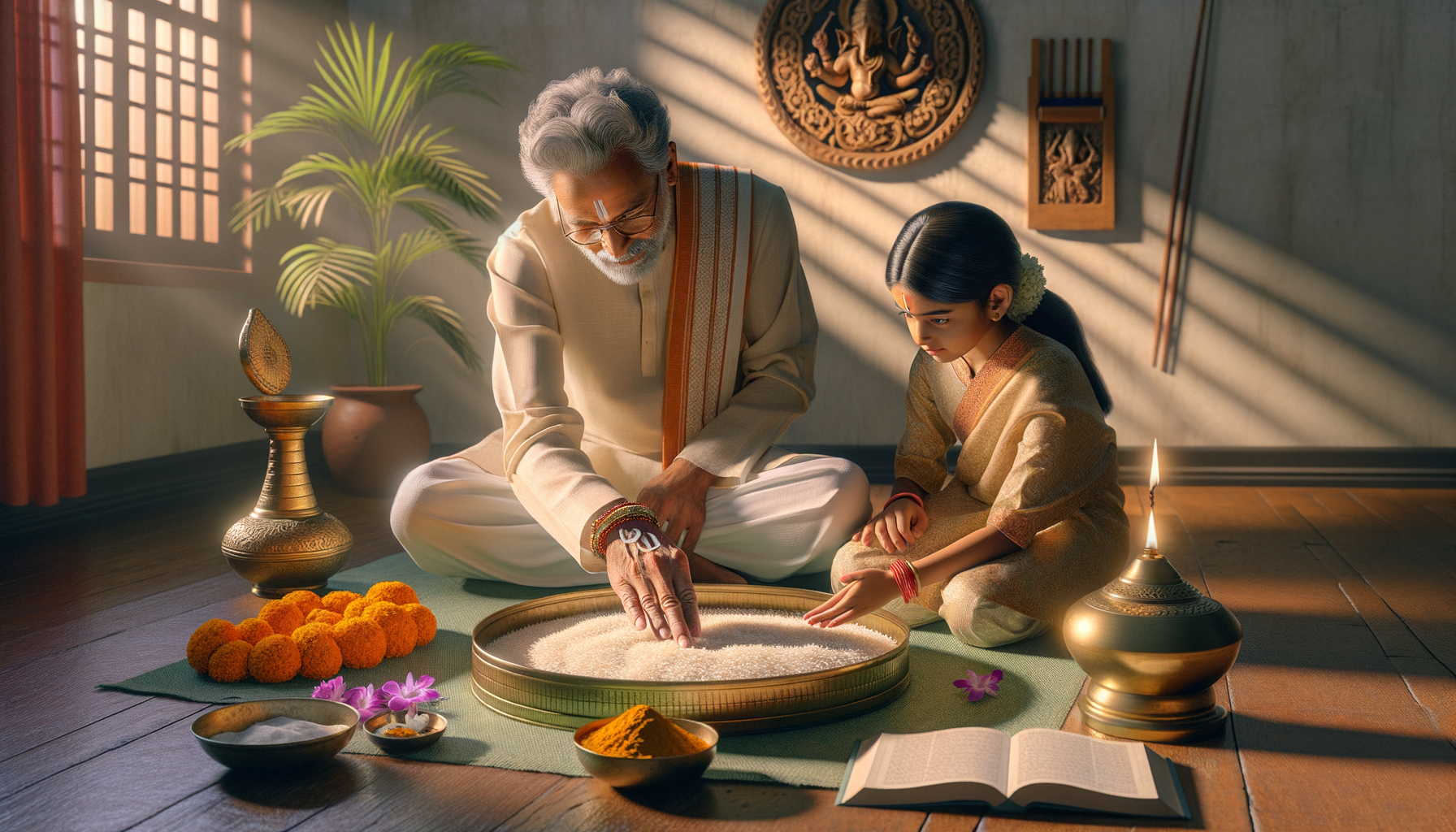
In this rite, a child is initiated into the world of alphabets, typically by tracing a sacred mantra or letters on a bed of rice or sand. The phrase ‘Om Hari Sri Ganapathaye Namah’ is often written first, invoking Ganesha’s guidance for auspicious beginnings. Many families then proceed to write the child’s name and initial letters, symbolizing the transition from play to purposeful learning, and from curiosity to disciplined knowledge.
For 2026, identifying precise Aksharabhyasam muhurthams is best done locally because auspicious windows vary by region, temple tradition, and family lineage practices. Common anchors include Vijayadashami (widely associated with Vidyarambham/Ezhuthiniruthu), as well as Navaratri observances linked with Saraswati Puja. Families typically consult a trusted panchangam, consider the child’s nakshatra, and avoid intervals such as Rahu Kalam and Yamagandam. Weekdays associated with learning and guidanceoften Monday, Wednesday, Thursday, and Fridayare preferred in many traditions, though final selection remains context-specific and guided by local experts.
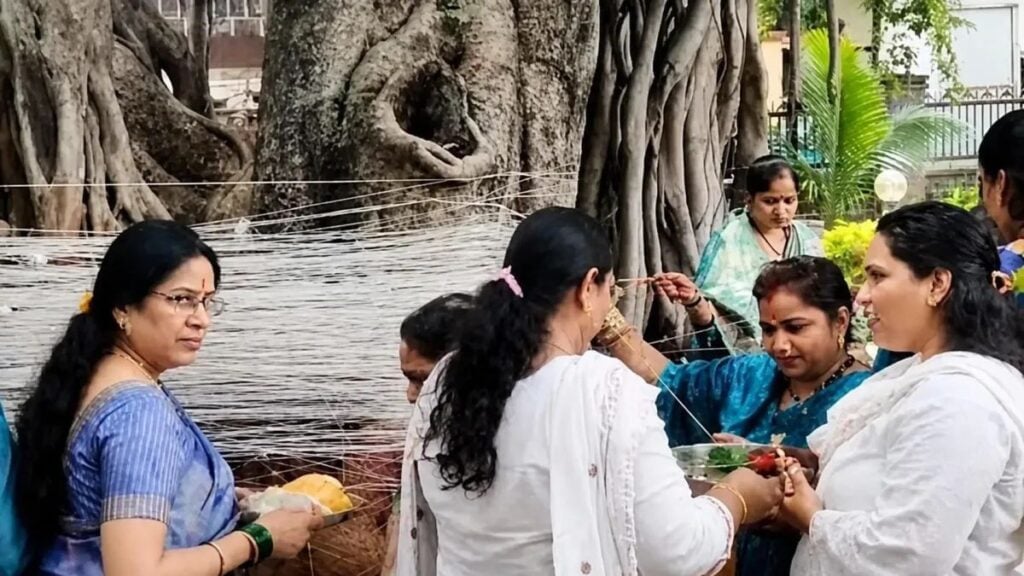
A simple, time-honored sequence enhances clarity and calm. The area is cleansed and sanctified; lamps are lit; and prayers are offered to Ganesha and Saraswati. A tray of clean rice or a plate with fine sand is prepared. An elderoften a parent, grandparent, or teachergently holds the child’s hand to inscribe ‘Om Hari Sri Ganapathaye Namah,’ followed by the child’s name and the first letters. Offerings (akshata), aarti, and blessings from elders conclude the rite, emphasizing humility before knowledge and gratitude to the guru tradition.
Families frequently recount the emotional resonance of this moment: a child’s hesitant strokes shaping their first letters, grandparents offering gentle guidance, and a home or temple space filled with quiet joy. These personal memories align with the deeper academic aim of Vidyarambhamnurturing attention, discipline, and ethical learning through a sacred beginning that honors both reason and devotion.
Across dharmic traditions, the sanctity of learning forms a unifying thread. Hindu households invoke Saraswati and Ganesha for wisdom and obstacle-removal; Jain families emphasize right knowledge (jnana) and non-violence in study; Buddhist communities revere learning as a path to insight and compassion; and Sikh families cherish literacy in Gurmukhi, remembrance (simran), and the uplifting power of shabad. This shared reverence affirms that Aksharabhyasam, Vidyarambham, and Akshara Sweekaram embody a wider civilizational commitment to knowledge, character, and harmony.
Thoughtful preparation supports a serene ceremony: arrange the venue (home or temple) for minimal distractions; prepare a rice tray or sand plate, turmeric, kumkum, flowers, and prasadam; keep the child comfortable and well-rested; involve elders or a teacher to bless the process; and select simple, traditional attire. When in doubt about timing, rely on a local priest or astrologer and the community’s panchangam to confirm the most suitable window for the child and family.
To summarize planning for Aksharabhyasam 2026 Muhurthams: prioritize regional guidance, consider Vijayadashami or Navaratri-linked observances, avoid known inauspicious intervals, and align with the child’s comfort and readiness. Those seeking Auspicious days for Vidyarambham 2026 or the Best dates for Akshara Sweekaram 2026 will find the most accurate results through local calendars and temple counsel. With these elements in place, the rite becomes a luminous starting pointone that honors tradition, encourages curiosity, and weaves the child’s first letters into a lifelong love of learning.
Inspired by this post on Hindu Pad.