Hinduism’s scriptural tradition repeatedly turns a striking paradox into principle: what appears as a physical weakness can become a conduit for spiritual power, clarity, and purpose. Read alongside the wider dharmic family—Buddhism, Jainism, and Sikhism—this insight becomes a shared civilizational refrain about resilience, compassion, and inner strength. Rather than denying vulnerability, these traditions show how embodied limitation can serve as a gateway to wisdom.
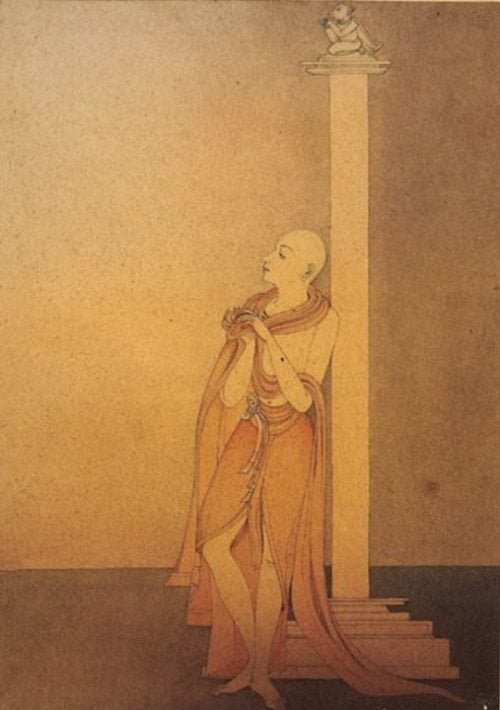
Hindu scriptures provide evocative illustrations. Rishi Ashtavakra, marked by eight bodily bends, stands as a timeless voice of non-dual insight in the Ashtavakra Gita, demonstrating that bodily form need not confine spiritual vision. Vāmana, the dwarf avatāra of Vishnu, transforms apparent smallness into cosmic sovereignty. Ganesha’s broken tusk, a symbol of sacrifice and resolve, frames the truth that what seems incomplete can become the precise instrument of dharma. The devotional legacy of Surdas similarly affirms how blindness, when held with bhakti, can deepen inner sight. In the Bhagavad Gita, adversity itself becomes upāya—an instrument—through which karma, svadharma, and yoga converge to forge inner steadiness.
Parallel notes resonate across dharmic traditions. Buddhist teachings invite practitioners to meet pain and illness with mindful awareness and boundless compassion, converting suffering into insight and care. Jain narratives elevate tapas (austerity) and forbearance, transmuting hardship into ethical clarity and equanimity. Sikh itihaas celebrates chardi kala—an unwavering, uplifted spirit—affirming that courage and seva can turn trials into pathways of grace. The unifying message: physical limitation and external adversity, when approached through disciplined practice and compassionate intent, can catalyze profound transformation.
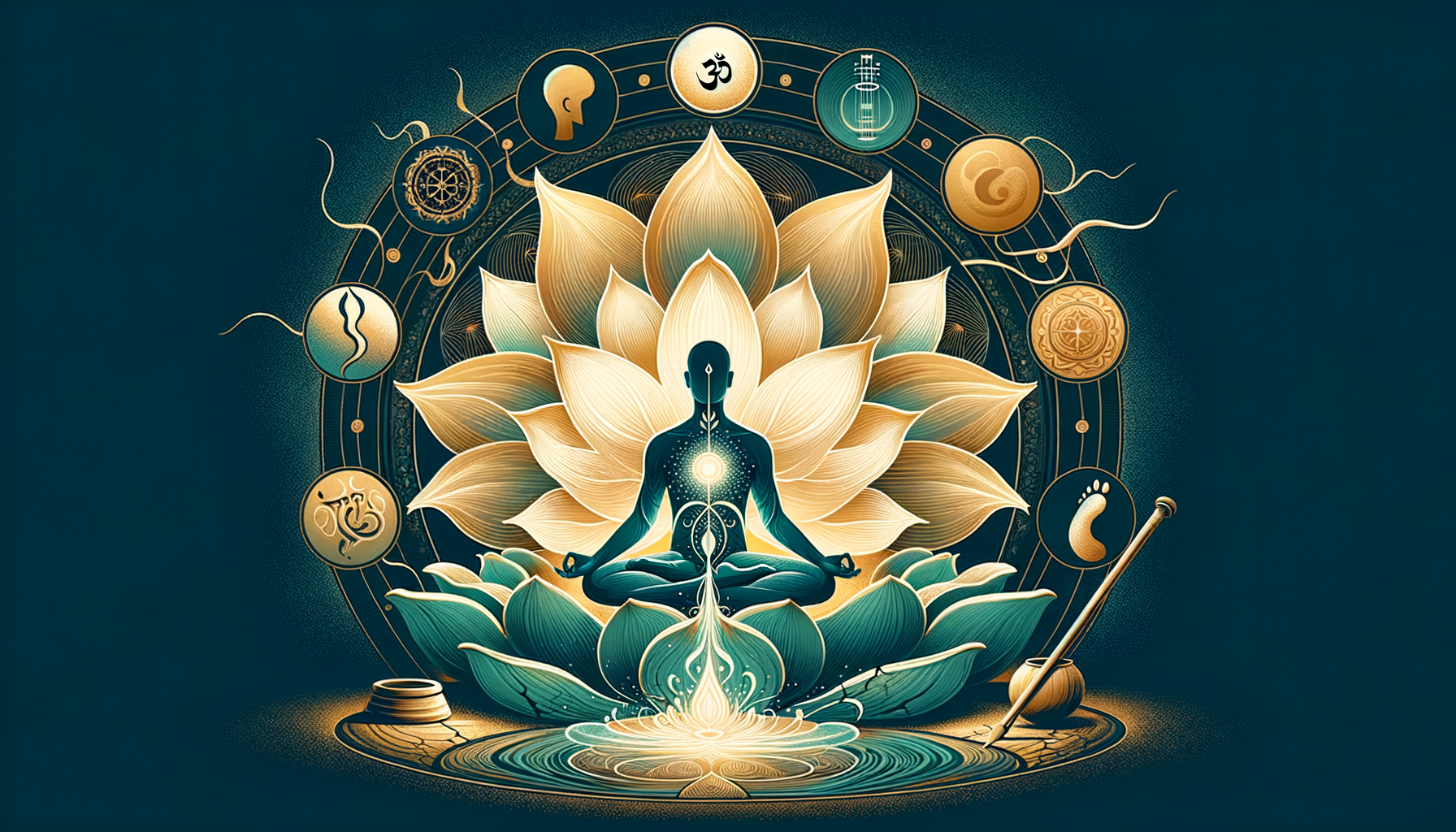
Viewed through this lens, limitation is not a verdict but a vocation. Karmic conditions, however challenging, can be worked with—from steady japa and contemplative study of the Bhagavad Gita to pranayama, seva, and satsang. One can honor the body’s constraints while strengthening buddhi (discernment) and cultivating a heart anchored in compassion. This practical synthesis—yoga of insight, devotion, and service—helps convert vulnerability into a living source of wisdom.
There is an emotional resonance here that many recognize: moments of frailty often summon unexpected clarity, humility, and connection. By seeing weakness as a teacher rather than a stigma, communities can nurture inclusion and dignity, aligning care for the vulnerable with dharma. The result is not stoic denial but a deeper presence—an ethics of attention that upholds shared humanity across differences.
In the broader dharmic tapestry, such stories nourish unity in spiritual diversity. Whether one turns to Ashtavakra’s uncompromising non-dualism, the Gita’s integrative yoga, Buddhist metta, Jain ahiṁsa, or Sikh chardi kala, the converging lesson is clear: limits, when faced with courage and compassion, can become divine instruments. This understanding strengthens personal practice and social harmony alike, illuminating a path from limitation to liberation.
Inspired by this post on Hindu Blog.