Magha Masa, the eleventh month in the Kannada calendar, holds a distinguished place in the Hindu lunar year for its emphasis on tapas (austere practice), purity, and devotion. Recognized as one of the most auspicious periods for Shiva Puja, Magha maasa in 2026 begins on 19 January and concludes on 17 February as per the Kannada calendar (Amavasyant system). Within this span, devotional routines intensify, and households across Karnataka realign daily life around prayer, discipline, and charity.
The spiritual ethos of Magha Masa centers on inner cleansing supported by outer discipline. A hallmark of the period is Magha snanaritual bathing at dawntraditionally undertaken in rivers or observed at home with reverence and simplicity. Such practices resonate with core dharmic values shared across Hinduism, Buddhism, Jainism, and Sikhism: self-restraint, compassion, and mindful living. This month thus becomes a practical pathway to unity in dharmic traditions through shared ethics like ahimsa, dana (charity), and meditation.
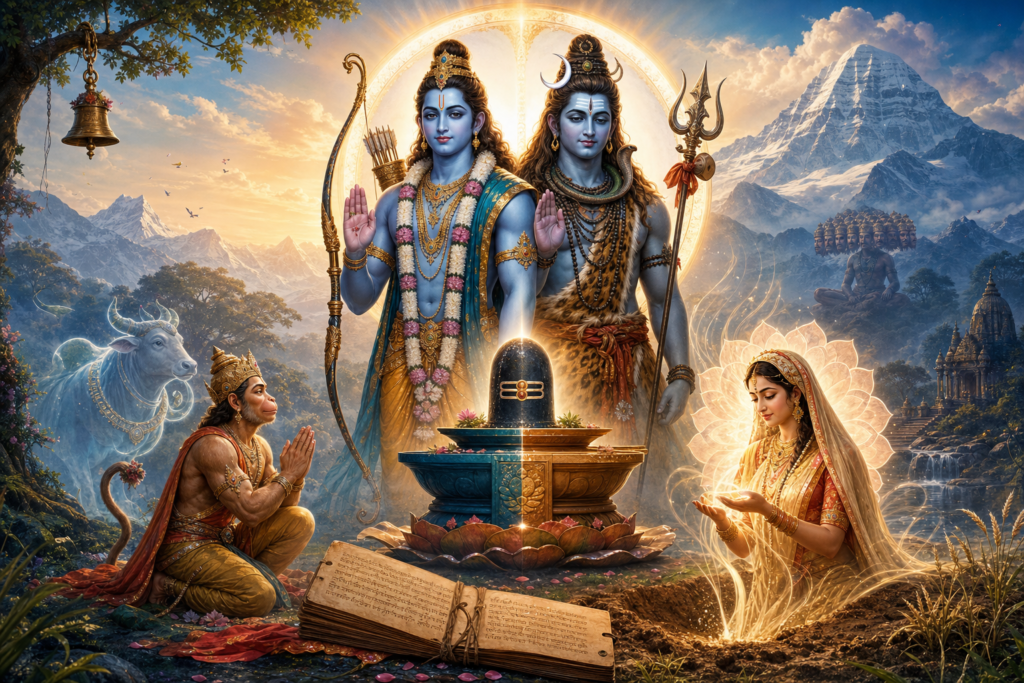
In Kannada-speaking regions, Shiva Puja during Magha Masa often includes Rudrabhisheka, recitation of Shiva mantras, and Monday vows (Somavara vrata). Many families describe the predawn rhythmbathing, lighting a lamp, offering sesame, and quiet japaas cultivating clarity, steadiness, and hope. Communities also engage in annadana, temple visits, and modest home observances, reinforcing the month’s accessible, home-centered character.
Calendar-wise, Magha Masa in the Kannada tradition typically follows the Amavasyant reckoning, beginning the day after the preceding Amavasya and ending on the next Amavasya. While the 2026 span is 19 January to 17 February, specific tithis for Magha Purnima or Amavasya observances may vary by region and panchangam. Devotees commonly consult a trusted local panchanga to time key rites, sankalpas, and vrata conclusions accurately.
Practical observance during Magha Masa balances devotion with sustainable daily routines: dawn baths (as health and climate permit), lighting a diya, offering sesame and water, extending charity to the needy, and maintaining a gentle, sattvic diet. Many report that a steady practicehowever simplecreates a palpable sense of renewal by month’s end, linking personal growth with community welfare.
As Magha maasa 2026 unfolds from 19 January to 17 February, the Kannada calendar frames a luminous window for Shiva Puja, Magha snana, and acts of service. The month’s discipline nurtures devotion while affirming dharmic unity through shared virtues. Approached with sincerity and guided by the local panchanga, Magha Masa becomes both a personal vow and a collective celebration of values that bind households, communities, and diverse sampradayas.
Inspired by this post on Hindu Pad.