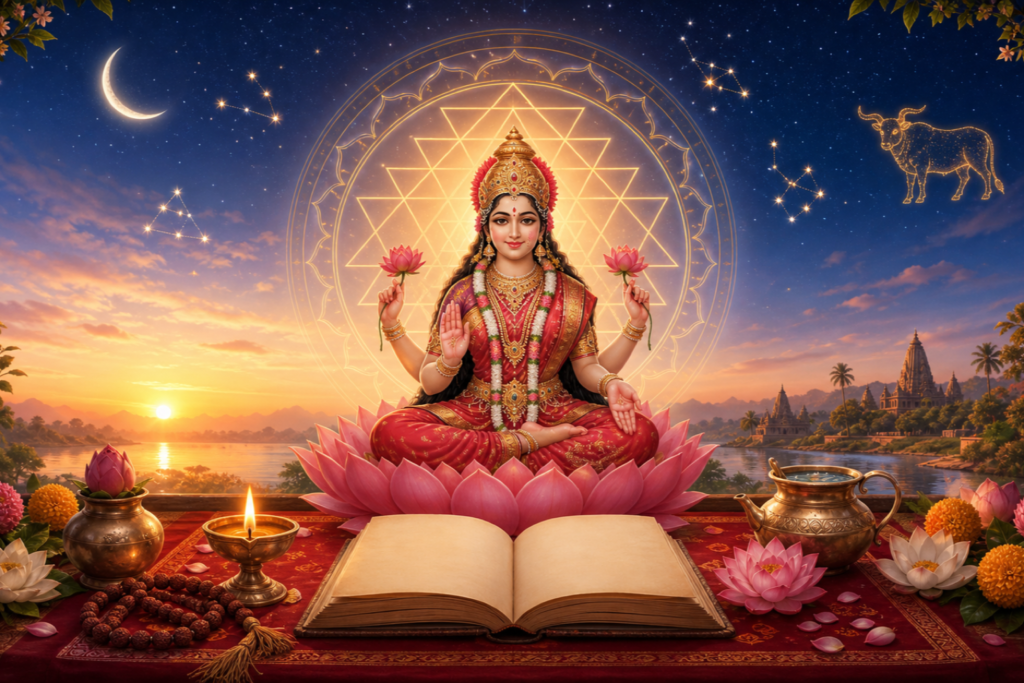
This concise guide presents the key Hindu festivals, vrats (fasts), and ritual observances for February 2026, aligned with Indian Standard Time (IST) and drawn from major Hindu calendars and the traditional Panchang used across India. The schedule is intended to assist families, practitioners, and community organizers in planning observances with clarity and devotion.
These festivals and fasting days foster shared values such as compassion, service, and mindful livingprinciples that resonate across the broader dharmic traditions of Hinduism, Buddhism, Jainism, and Sikhism. Observing these dates together strengthens social harmony while honoring diverse paths within a common ethical heritage.
February 1 – Thaipoosam (Thaipooyam): Observed in reverence to Lord Murugan (Subrahmanya), this day is associated with vows, disciplined fasting, and acts of devotion. Many communities undertake austerities and offer prayers seeking inner strength and moral clarity, reflecting the festival’s emphasis on self-discipline and spiritual courage.
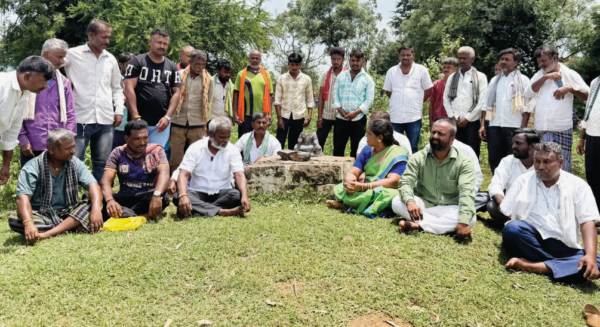
February 1 – Purnima – Guru Ravidas Jayanti: The full-moon day (Purnima) coincides with the celebration of Guru Ravidas Jayanti, commemorating the life and teachings of Sant Ravidas. Devotees often gather for kirtan, study of ethical teachings, and seva (service), underscoring equality, humility, and social uplift as timeless spiritual ideals.
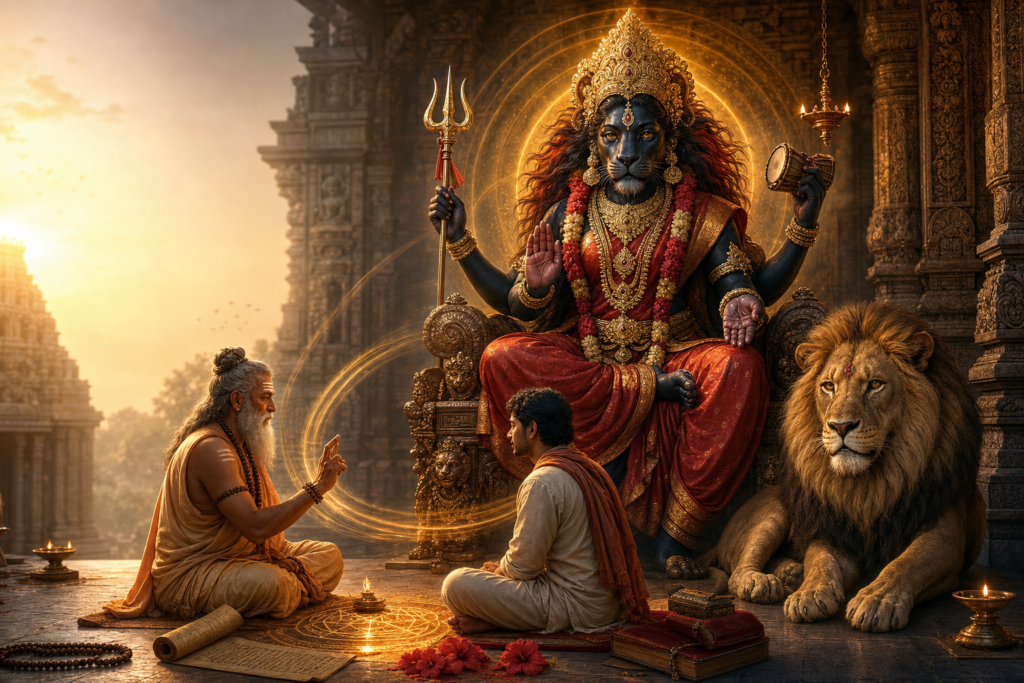
Feb 1 – Guru Gorakhnath Jayanti: Commemorating the wisdom of Guru Gorakhnath, this observance honors the Nath tradition’s legacy of yoga, meditation, and self-mastery. Communities mark the day with reflective practice and remembrance of teachings aimed at inner stability and compassionate action.
February 2 – Phalgun month begins in North India: As per many North Indian lunisolar calendars, the month of Phalgun commences, heralding a cycle of observances that culminate in spring festivities. The transition invites households to renew study, prayer, and community bonding as the season turns toward light and renewal.
For accuracy in home and temple practice, observants may consult a trusted regional Panchang for sunrise-based calculations, tithi transitions, and local recommendations, while using IST as the standard reference. This helps align fasting, puja, and community events with traditional timings and regional customs.
Across families and communities, these dates often inspire simple, sattvic meals, collective chanting, quiet reflection, and service to others. Such practices cultivate a calm sense of belonging and continuity, connecting generations through shared ritual, ethical intention, and the joy of spiritual companionship.
Approached in this spirit, the February 2026 calendar becomes more than a schedule of datesit becomes an invitation to deepen unity across dharmic paths, honor diverse practices with mutual respect, and nurture the inner harmony that supports a just and compassionate society.
Inspired by this post on Hindu Blog.