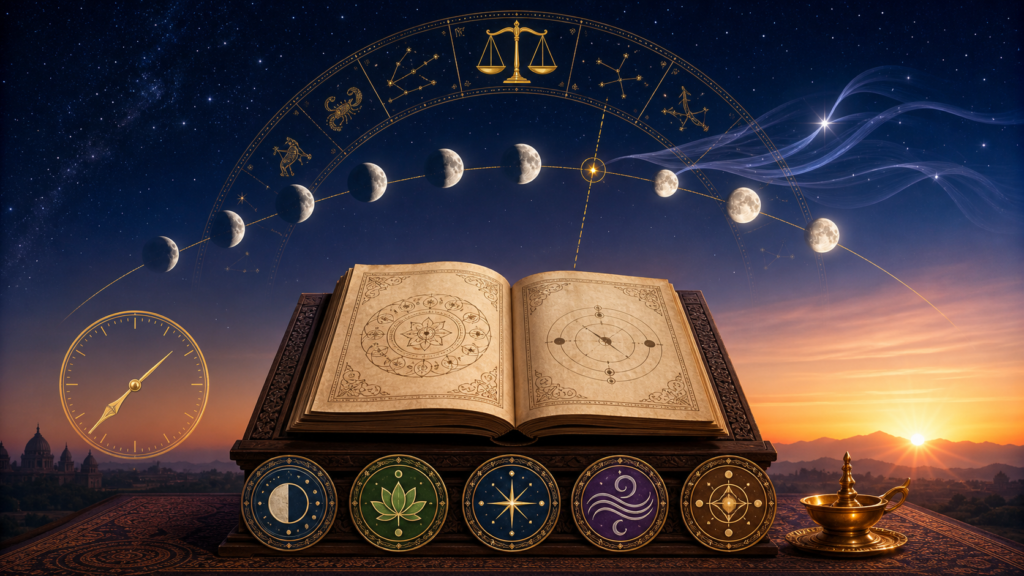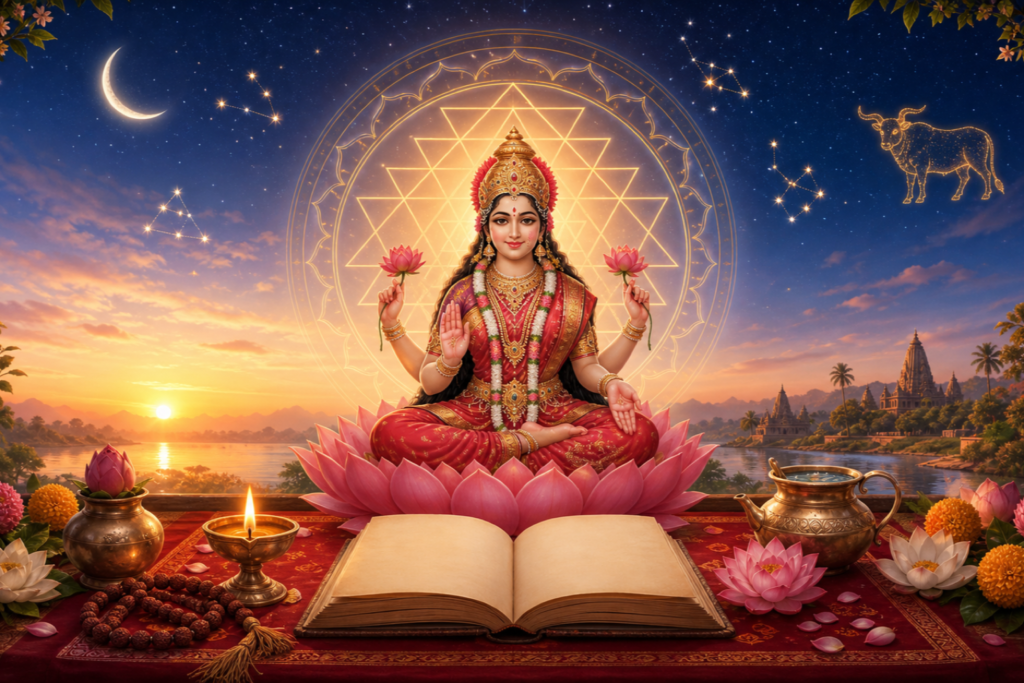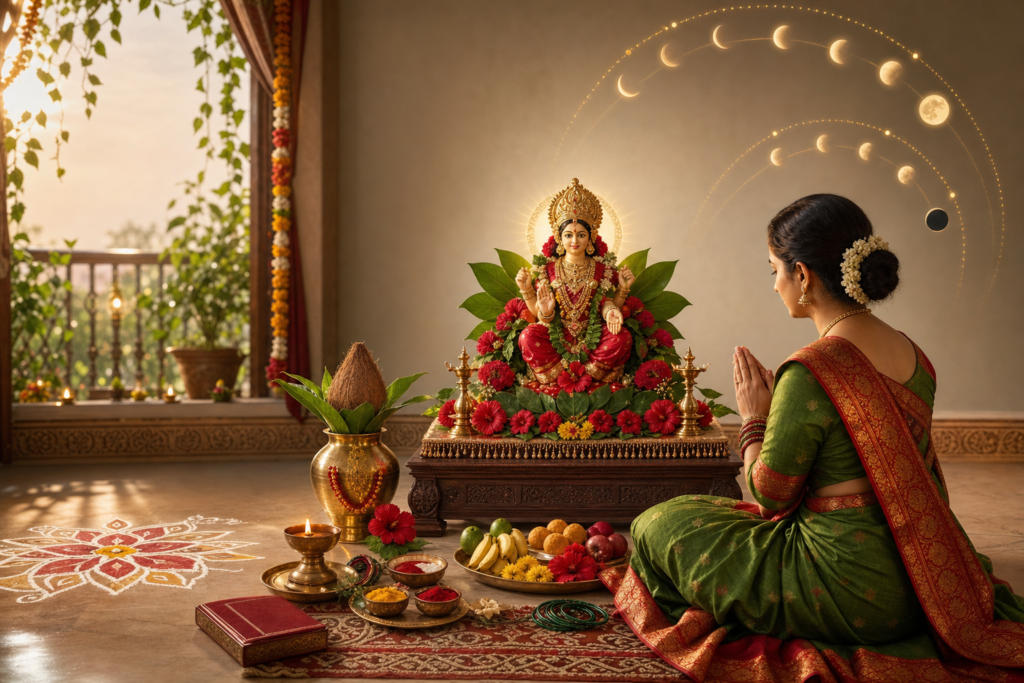
Saturday, January 3, 2026, marks Purnima tithithe full moon dayin the Hindu calendar (Panchang) across most regions of India. As a monthly moment of completion and clarity, Purnima is traditionally associated with prayer, vrata, and reflective study, guiding households and practitioners in planning observances with care.
On this date, Purnima tithi lasts until 4:03 PM (IST). From that point onward, the lunar phase transitions to Krishna Paksha Pratipadathe first day of the waning (dark) fortnightwhich continues until 2:08 PM (IST) on Sunday, January 4, 2026. These timings are provided in Indian Standard Time and are generally applicable across India.
For those organizing puja, vrata, or community gatherings, these precise tithi boundaries help align activities with auspicious rhythms noted in the Panchang. While Shubh Muhurat often also considers Nakshatra, Rashi, Yoga, and Karana, such factors vary by locality and tradition; therefore, consulting a regional Panchang for location-specific muhurta remains prudent.
The full moon’s significance extends across Dharmic traditions. In Hindu practice, Purnima frequently anchors devotional activities such as Satyanarayan puja and japa. In Buddhism, full moon days are associated with Uposatha reflection and renewed commitment to ethical discipline. In Jainism, Purnima often inspires fasting and introspective sadhana. Sikh households may likewise use the full moon as a contemplative marker for simran and seva. This shared rhythm encourages a spirit of unity, mutual respect, and inner refinement across traditions.
Many practitioners observe that the serenity of the full moon evening fosters composure and focusan opportune time for meditation, stotra recitation, or quiet reading of scriptures. Families often choose the transition from Purnima to Krishna Paksha to reset intentions for the waning fortnightemphasizing simplicity, service, and steady practice.
In summary, Purnima tithi on January 3, 2026, prevails until 4:03 PM (IST), after which Krishna Paksha Pratipada begins and extends to 2:08 PM (IST) on January 4. Those scheduling important activities may consider these tithi boundaries alongside local Nakshatra and Rashi details from a trusted regional Panchang to determine Shubh Muhurat with accuracy.
Inspired by this post on Hindu Blog.