Bhogi 2026 falls on 13 January and marks the first day of the four-day Sankranti festival in Andhra Pradesh. Recognized as a harvest-time celebration, Bhogi sets the tone for Makara Sankranti by emphasizing renewal, gratitude, and communal harmony. Families begin the day before sunrise, aligning with time-honored customs that honor nature, agriculture, and the energy of Agni (sacred fire).
According to regional Panchang traditions, this observance aligns with Krishna Paksha Dashami in Pushya masam (Poush Month) in 2025, while it coincides with Magh Month in North Indian Hindi calendars. This calendrical placement reflects the pan-Indian diversity of time-reckoning and the shared cultural focus on the winter harvest season. In 2026, Bhogi’s placement one day before Makara Sankranti maintains continuity with long-standing practice across Telugu-speaking regions.
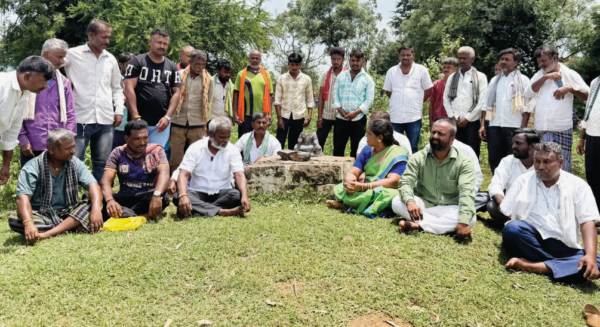
The central observance is Bhogi Mantalu, the sacred bonfire lit at dawn. Communities gather around the flame to symbolically cast off the oldoutworn habits, clutter, and negativitymaking space for auspicious beginnings. Homes are cleaned, thresholds are adorned with rangoli, and prayers are offered for agricultural abundance and household well-being. The bonfire is understood as a purifier, a focal point for collective reflection, and a visible expression of gratitude for the harvest.
Bhogi resonates with related celebrations across India’s dharmic landscape, reflecting unity in diversity. In Tamil Nadu, the first day of Pongal is Bhogi; in Punjab and among Sikh communities, Lohri centers on communal bonfires; in Assam, Magh Bihu features the Uruka bonfire. These parallel observances share core themesgratitude to nature, reverence for the elements, and the cohesion of families and neighborhoodsunderscoring the harmonious spirit that links Hindu, Buddhist, Jain, and Sikh communities through seasonal thanksgiving.
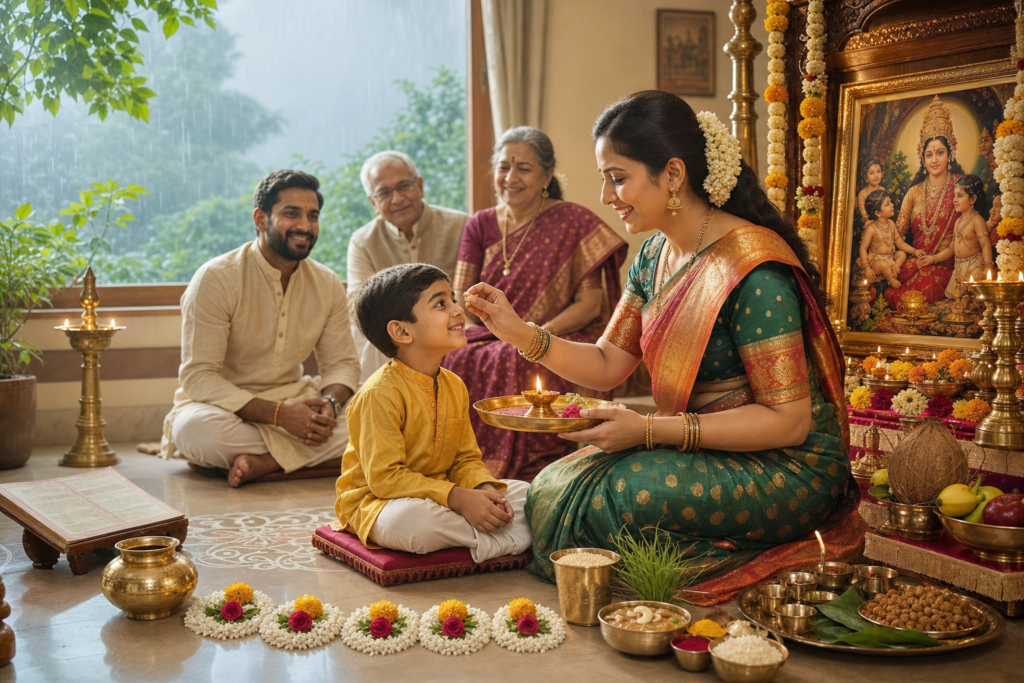
Many households now emphasize eco-conscious Bhogi Mantalu, using dried leaves, twigs, and natural materials while avoiding plastics and pollutants. Community sharing of seasonal foods, charitable giving, and neighborhood gatherings enrich the observance, turning Bhogi into a day of service and solidarity. Simple practicesoffering prayers at sunrise, visiting elders, and exchanging wishesenhance the festival’s gentle rhythm of renewal.
Key details for 2026: Bhogi is on 13 January; it inaugurates the Sankranti/Pongal cycle; it is associated with Pushya masam (Poush Month) and aligns with Magh Month in North Indian reckoning. The festival’s enduring symbolsthe sacred bonfire, household cleansing, and community gratitudeexpress a timeless aspiration: to begin anew with clarity, compassion, and unity.
Inspired by this post on Hindu Pad.